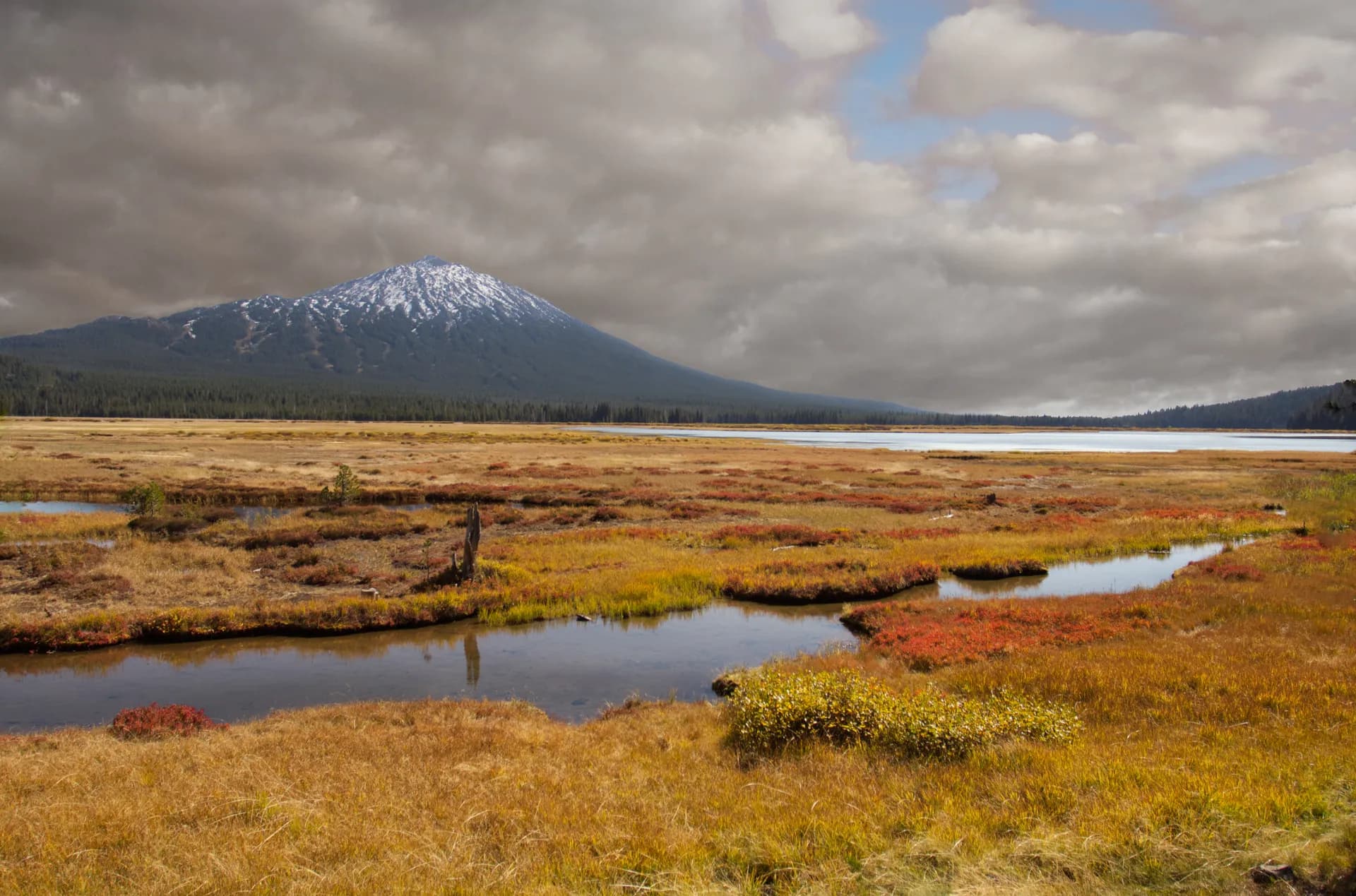
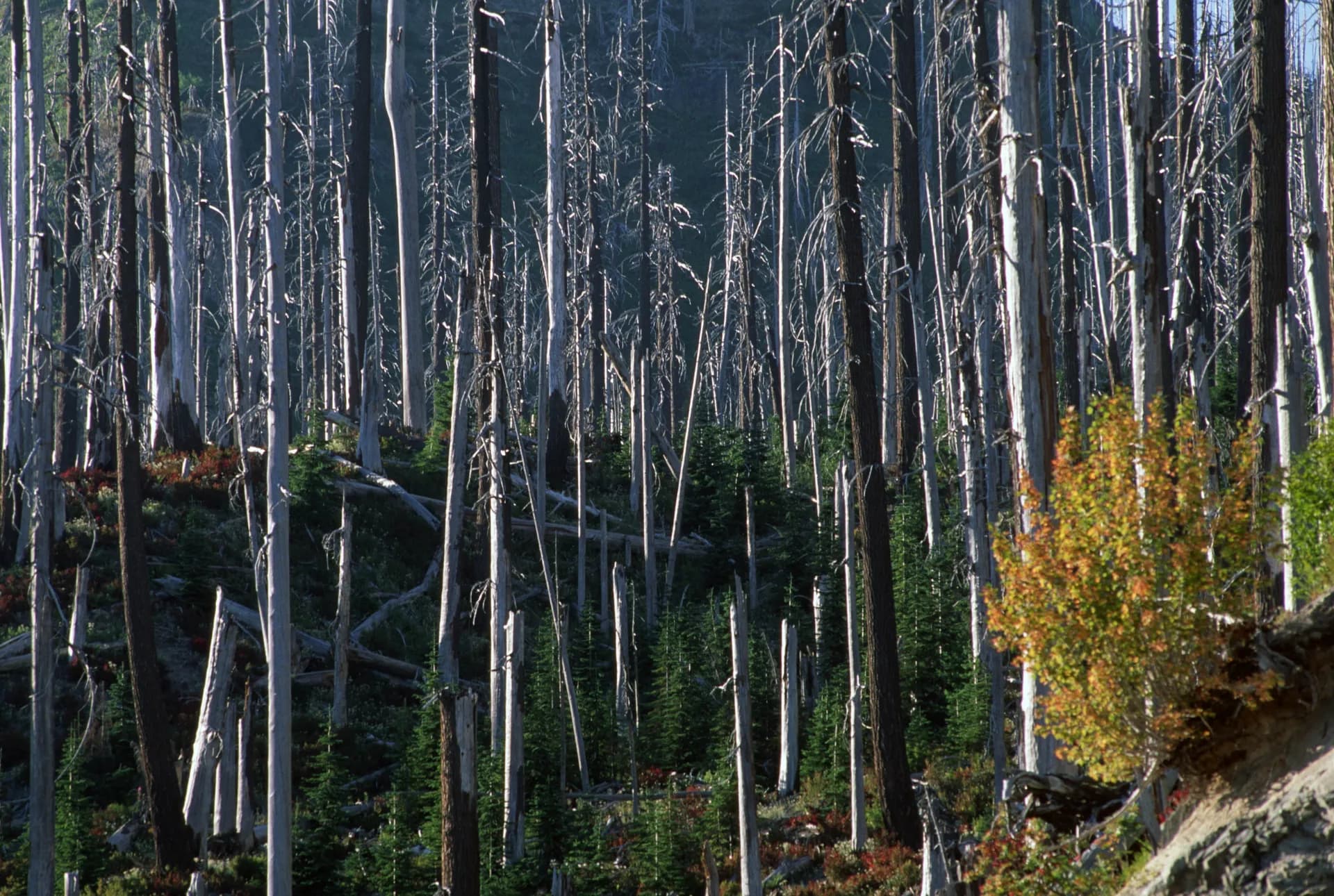
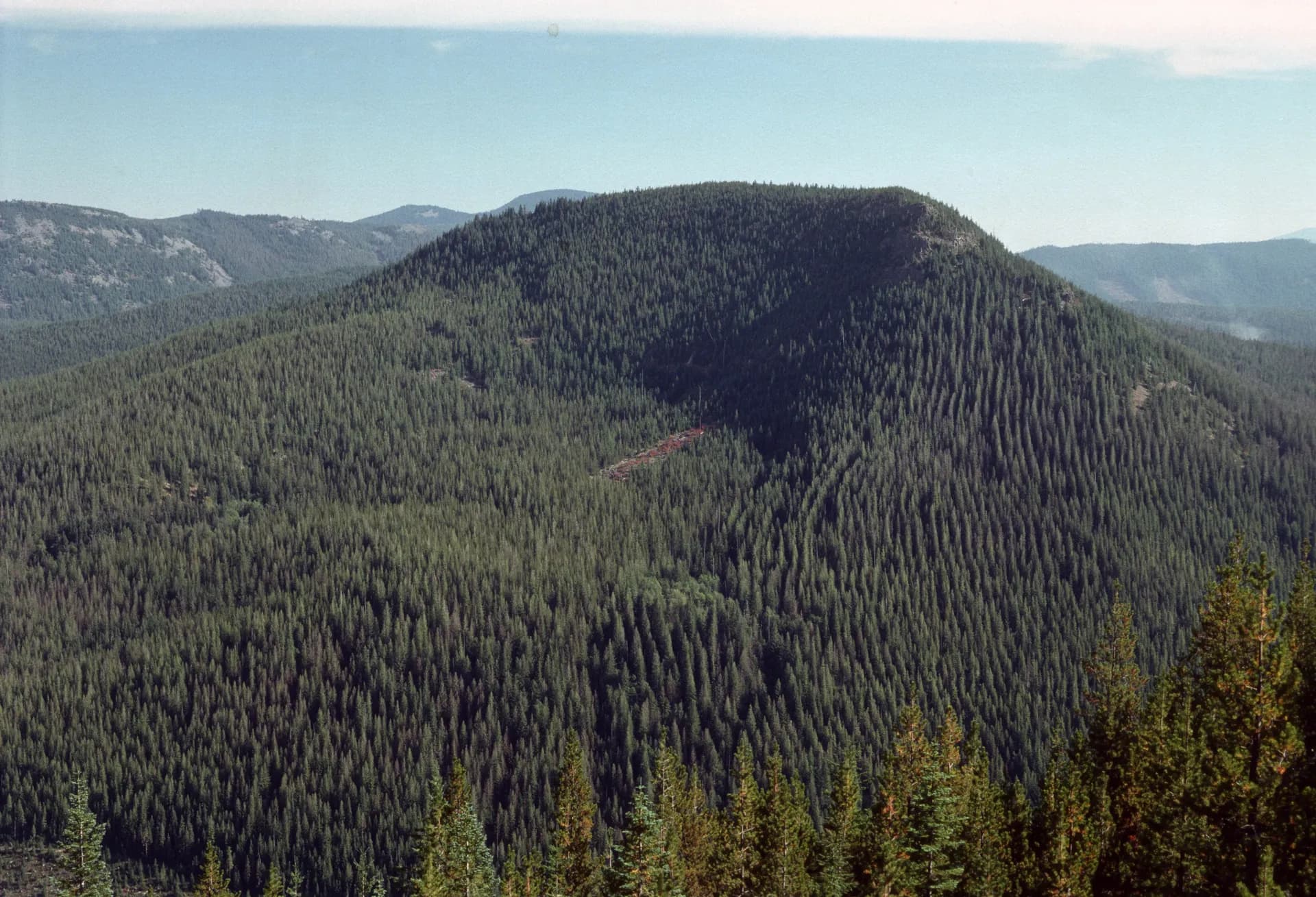
Okanogan-Wenatchee National Forest spans four million acres across both sides of the Washington Cascades, making it the largest national forest in the state. The forest runs from the wet, heavily timbered west-slope drainages north of Leavenworth all the way east into the dry ponderosa pine and sagebrush country above Wenatchee and the Methow Valley. That east-west span creates two completely different characters within a single forest, and understanding which side of the mountains you're heading to shapes every planning decision.
The forest is best known for the Enchantments, a high alpine basin in the Alpine Lakes Wilderness above Leavenworth that holds some of the most dramatic scenery in Washington. But the Enchantments are a fraction of what's here. The forest also encompasses the Glacier Peak Wilderness (Washington's most remote designated wilderness), the Pasayten Wilderness along the Canadian border, and hundreds of miles of trails that see a fraction of the Enchantments traffic.
Why Okanogan-Wenatchee Stands Out
The Enchantments. The core Enchantments zone is a granite-and-larch landscape at 7,000 to 8,000 feet that has no real equivalent elsewhere in Washington. Polished granite slabs, chains of turquoise lakes, wild mountain goats, and in late September, a sea of golden larch. The overnight lottery is one of the most competitive permit systems in the country. Day-use permits for the core zone are self-issued at the trailhead. But the approach routes — Colchuck Lake via Eightmile Trailhead and Lake Stuart via Mountaineer Creek — are outstanding destinations in their own right and don't require lottery permits. Checking conditions before you go is especially important here, as trail access, permit requirements, and fire restrictions change seasonally.
East-side Cascades character. Once you cross Stevens Pass on US-2 or Blewett Pass on US-97, the forest changes abruptly. Ponderosa pine and larch replace the Douglas fir and western hemlock of the west side. The sky opens up, rainfall drops dramatically, and trails stay dry and snow-free longer into spring and later into fall compared to west-side forests like Mount Hood or Gifford Pinchot. The Methow Valley on the north end of the forest is a destination for cross-country skiing in winter and mountain biking in summer, with hundreds of miles of groomed and natural-surface routes.
Lake Chelan. The southern edge of the forest borders Lake Chelan, a 50-mile-long natural lake that cuts deep into the Cascades. The town of Stehekin, accessible only by ferry or floatplane, sits at the lake's head and serves as a trailhead hub for the Glacier Peak Wilderness and North Cascades backcountry. The lake itself is one of the deepest in North America at 1,486 feet and supports recreational boating, fishing, and swimming with water that gets genuinely warm by August on the east-end flats.
Best Trails
Colchuck Lake (9.0 miles, 2,280 feet gain) is the most popular trail in the Icicle Creek corridor. The payoff is a turquoise glacial lake beneath Dragontail Peak and Colchuck Peak, with Asgard Pass (the back door into the core Enchantments) rising steeply above the east shore. This is a serious day hike with sustained climbing. A self-issue day-use permit is required for the Alpine Lakes Wilderness portion. The Colchuck Lake Trail guide covers the full route, permit details, and trailhead logistics.
Maple Pass Loop (7.2 miles, 2,000 feet gain) is consistently ranked among Washington's best day hikes, and the fall color season (late September) makes it genuinely spectacular. The loop climbs above Lake Ann to Maple Pass and then along a high ridge with 360-degree views of the North Cascades. No wilderness permit required, just a Northwest Forest Pass. The Maple Pass Loop trail guide covers the complete route and the best timing for fall color.
Lake Stuart (8.8 miles, 1,600 feet gain) offers a more moderate approach to the Alpine Lakes Wilderness and a large subalpine lake at 5,064 feet beneath the imposing Stuart Range. It's less crowded than Colchuck on most weekends and offers good swimming in late summer. The Lake Stuart Trail guide covers parking, permits, and seasonal conditions.
Spider Meadow (12.0 miles, 1,200 feet gain) is the right choice when you want expansive alpine meadows, glacier views, and solitude. The approach via Phelps Creek and the Chiwawa River corridor is long but gentle, and the meadow itself beneath Spider Glacier is one of the best wildflower displays on the east side of the Cascades. No permit beyond the Northwest Forest Pass is required. See the Spider Meadow trail guide for the full breakdown.
Permits and Passes
A Northwest Forest Pass is required at essentially all developed trailheads in the forest. Day passes cost $5 and annual passes cost $30. The America the Beautiful Interagency Annual Pass ($80/year) covers the fee, as does the Senior Pass and Access Pass. Rangers actively patrol Icicle Creek Road and Rainy Pass trailheads on summer weekends, and citations for unpaid parking run $75 to $150.
The Enchantments overnight permit lottery is one of the most competitive in the United States. Applications open each March on Recreation.gov for dates from May through October. The lottery covers five zones within the Alpine Lakes Wilderness above Leavenworth. Day-use permits for the Core Enchantments zone are $8 per person (as of 2025 — verify current fees at recreation.gov before your trip) and are self-issued at the Eightmile Trailhead kiosk. From May 15 through October 31, you must have a day-use permit to enter the core zone even without an overnight reservation.
Bear canisters are required for all overnight travel in the Enchantments and are strongly recommended throughout the Alpine Lakes Wilderness. The Leavenworth Ranger District office rents canisters; many hikers also bring their own. See the bear canister requirements guide for what qualifies and how to pack one.
Camping
Eightmile Campground sits at 2,240 feet along Icicle Creek, about 8 miles west of Leavenworth on Icicle Creek Road. It's the most convenient car camping base for Colchuck Lake and Lake Stuart day hikes. Sites are reservable through Recreation.gov and fill well in advance for summer weekends. The campground has vault toilets and is open May through October.
Lake Wenatchee Campground is larger (197 sites) and sits on the south shore of Lake Wenatchee, about 18 miles north of Leavenworth on US-2. It's a good base for west-side Glacier Peak Wilderness approaches and has better facilities than the Icicle Creek campgrounds, including flush toilets and a boat launch. Open May through October; reservations through Recreation.gov.
Klipchuck Campground is located on the Early Winters Creek corridor near Mazama in the Methow Valley, about 15 miles east of Washington Pass on WA-20. It's the closest developed camping to Maple Pass and the North Cascades Highway hiking corridor. Small and quiet, with 46 sites and vault toilets. Open June through September.
Permit holders who draw Enchantments overnight permits may camp in designated camping zones within the permit area. Camping is strictly regulated: established sites only, bear canisters required, campfires prohibited above 4,000 feet in the Alpine Lakes Wilderness. The national forest camping permit guide covers the Enchantments application process in more detail.
When to Visit
July through mid-September is peak season for alpine hiking throughout the forest. The Enchantments are typically snow-free by mid-July in an average year. Snow lingers longer after heavy winters; check current conditions via the Leavenworth Ranger District before heading up. Afternoon thunderstorms are common in July and August. Start hiking by 7 AM to reach exposed ridges and passes before weather builds.
Late September and early October is the larch season. Western larch (Larix occidentalis) turns gold in the upper Enchantments basin, in the Methow Valley drainage, and in scattered high-elevation pockets across the east side of the forest. The crowds during peak larch weekend (typically the last week of September) can be intense at popular viewpoints. Expect snow on high passes by early October.
The east side of the forest (Methow Valley, Lake Chelan corridor, Wenatchee drainage) generally has better weather than the west side throughout the season. The rainshadow effect means east-side trailheads often have sun when west-side trails are socked in. In early June and late October, the east side often has hikeable conditions when higher-elevation west-side trails are still under snow.
Getting There
From Seattle, take US-2 east over Stevens Pass (4,061 feet) to Leavenworth. Stevens Pass is the primary access route for the Icicle Creek corridor and most of the southern part of the forest. Total drive time from Seattle to Leavenworth is about 2.5 hours in normal traffic. The pass stays open year-round but requires chains or traction tires during winter conditions.
For the North Cascades Highway (WA-20) access to Maple Pass, Rainy Pass, and the northern sections of the forest, the route from Seattle goes north on I-5 to Burlington, then east on WA-20 through Concrete and Newhalem. The highway crosses Washington Pass (5,477 feet) before descending into the Methow Valley. Note that WA-20 closes at Washington Pass typically from mid-November through April due to avalanche hazard. Check WSDOT for current road conditions before driving the highway in shoulder seasons.
From Portland, the most practical route is I-5 north to US-2 east, bypassing Seattle on the cross-state corridor. Expect about 4.5 hours to Leavenworth from Portland. Alternatively, I-90 over Snoqualmie Pass connects to Wenatchee via US-97, which accesses the south end of the forest and the Lake Chelan corridor.
Leavenworth is the primary hub town for the Icicle Creek and Alpine Lakes area. It has gas, groceries, outdoor retailers (including a ranger station that sells Northwest Forest Passes and rents bear canisters), and lodging. Mazama and Winthrop serve the Methow Valley and North Cascades Highway corridor.
Practical Tips
The Enchantments lottery reality: most people who apply do not draw a permit. Apply in March, plan an alternative trip for the same dates, and if you draw, celebrate. If you don't, Colchuck Lake and Lake Stuart are outstanding day hikes that don't require lottery permits. Many hikers who visit the Icicle Creek area never draw an Enchantments overnight permit and still have exceptional experiences.
Pack for variable conditions regardless of the forecast. Temperatures at the Enchantments (7,000 to 8,000 feet) can drop below freezing on any summer night. Afternoon thunderstorms develop fast on the exposed granite. A rain jacket, warm layers, and sun protection belong in every pack on these hikes.
Stream crossings in early season (June through early July) can be challenging on several trails in the Alpine Lakes Wilderness. Colchuck Creek and the approach to Asgard Pass see high water from snowmelt through mid-July. Trekking poles and stream-crossing caution are relevant here in a way they may not be on later-season trips.
Wilderness permit closures and fire restrictions are issued seasonally. In dry years, campfire restrictions apply throughout the east side of the forest, sometimes prohibiting all open fires (including stoves). Check AirNow.gov for air quality and the Okanogan-Wenatchee forest website for current fire restrictions before any trip into the backcountry. Reviewing Leave No Trace principles before your first visit is worthwhile given how heavily used the Icicle Creek corridor has become.
For those comparing national forest and national park options in Washington, the national forest vs. national park guide covers what the designations mean for permits, dogs, camping, and management philosophy.