Gifford Pinchot National Forest
Complete guide to Gifford Pinchot National Forest in Washington. Trail recommendations, volcanic landscapes, campgrounds, permits, and trip planning for this underrated Pacific Northwest gem.
9 min read
The Evergreen State
Rainforests, volcanoes, and alpine meadows packed into one state. Washington punches above its weight.
Mount Rainier (14,411 ft) is the most heavily glaciated peak in the contiguous US with 26 named glaciers
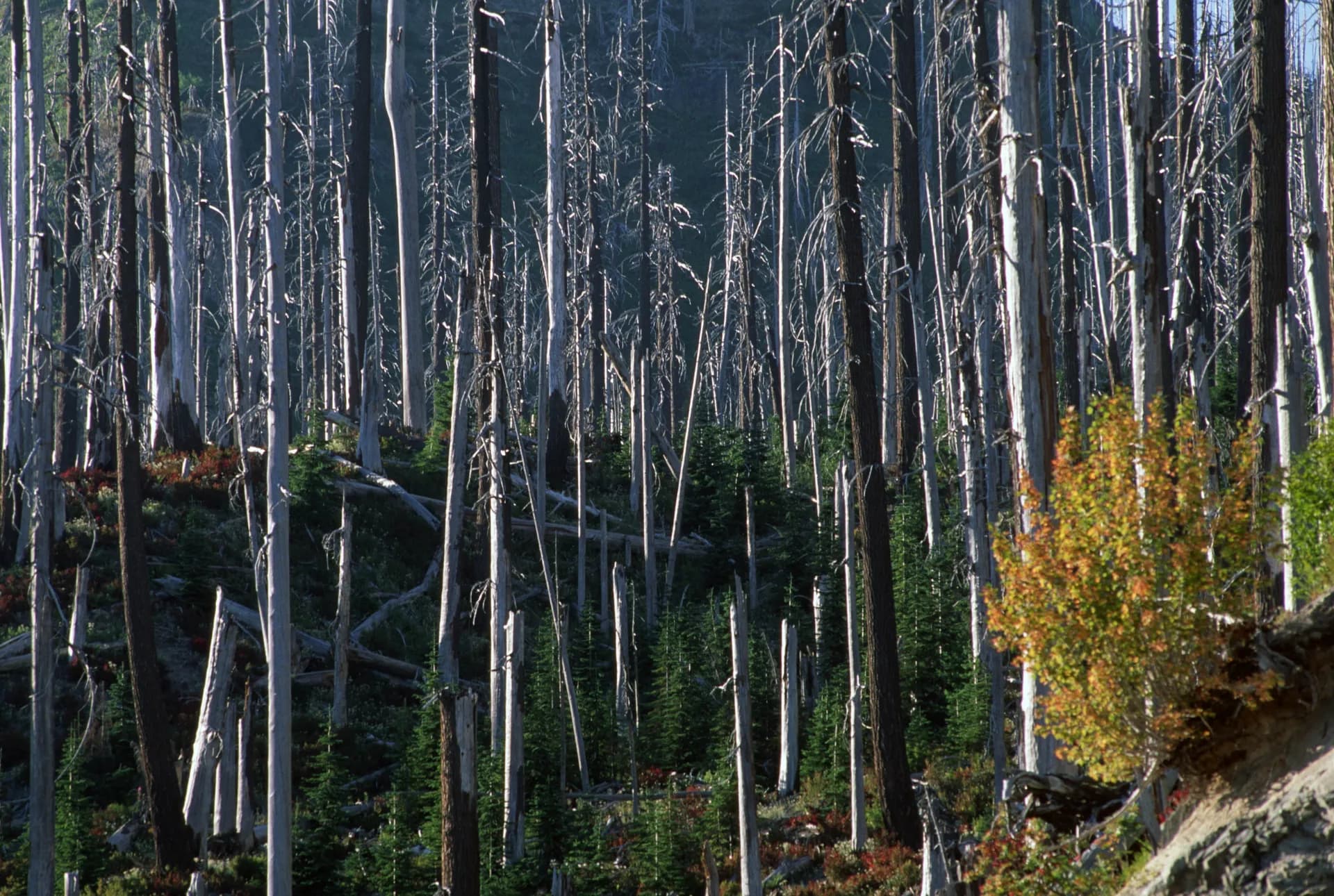
Mount St. Helens erupted in 1980, creating a 230-square-mile blast zone that's still regenerating
The Hoh Rainforest on the Olympic Peninsula gets 140 inches of rain annually
Six national forests cover 9.3 million acres across the Cascades and Olympics
Home to mountain goats, black bears, elk, and the largest population of bald eagles in the lower 48
The Pacific Crest Trail covers 505 miles through Washington, its most rugged and remote stretch
July through mid-October. Western slopes get 70+ inches of rain per year, so summer is your window.
Gifford Pinchot National Forest is named after the first Chief of the US Forest Service, who served under Teddy Roosevelt.
The Lava Canyon trail in Gifford Pinchot follows a gorge carved in hours by volcanic mudflows during the 1980 Mount St. Helens eruption.
Washington's Alpine Lakes Wilderness is the most-visited wilderness area in the state, requiring permits from May through October.
Lewis River Falls on the Lewis River Trail is actually three distinct waterfalls within a 2-mile stretch.
Mount Rainier's Carbon Glacier is the largest glacier by volume in the contiguous US, containing over a cubic mile of ice.