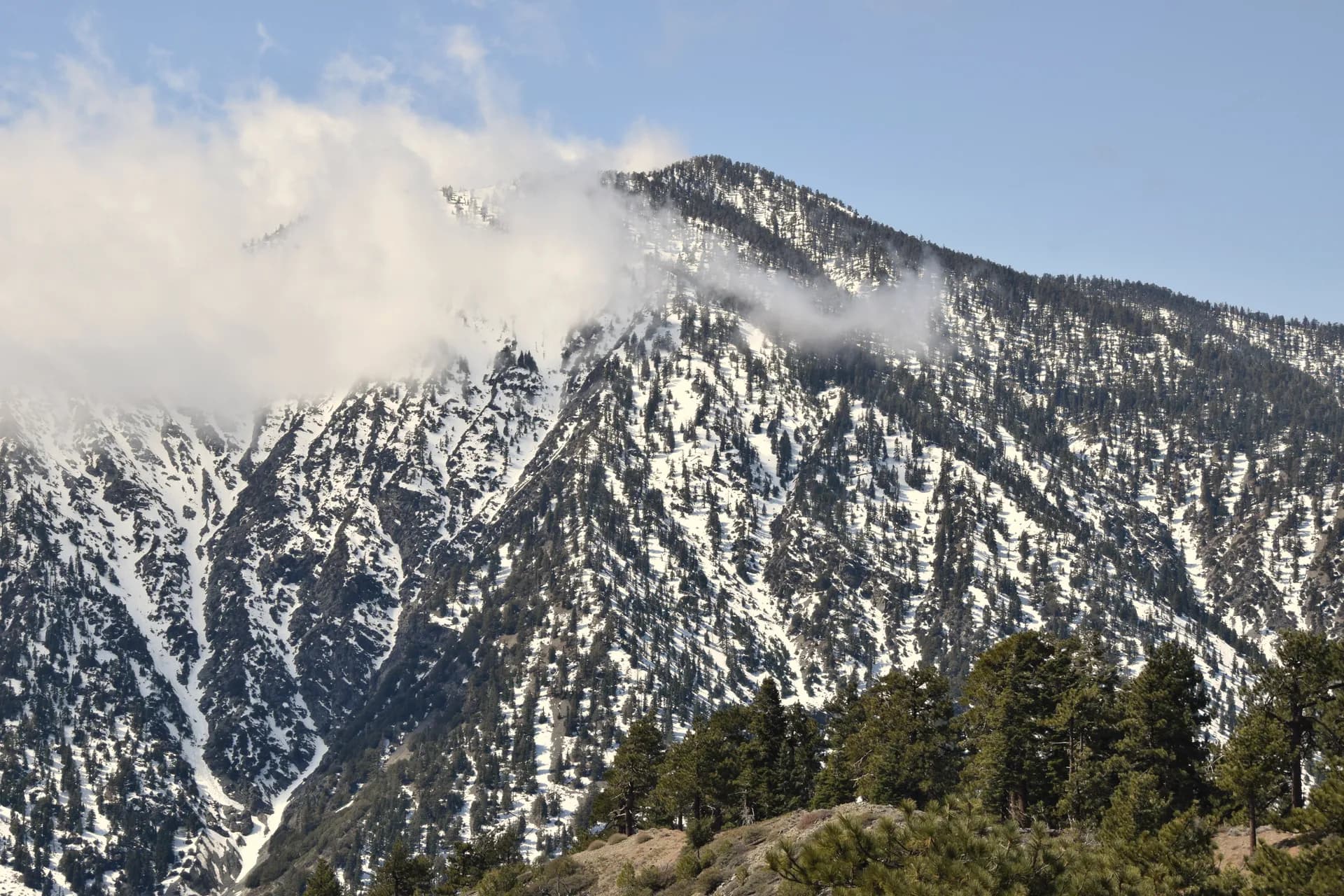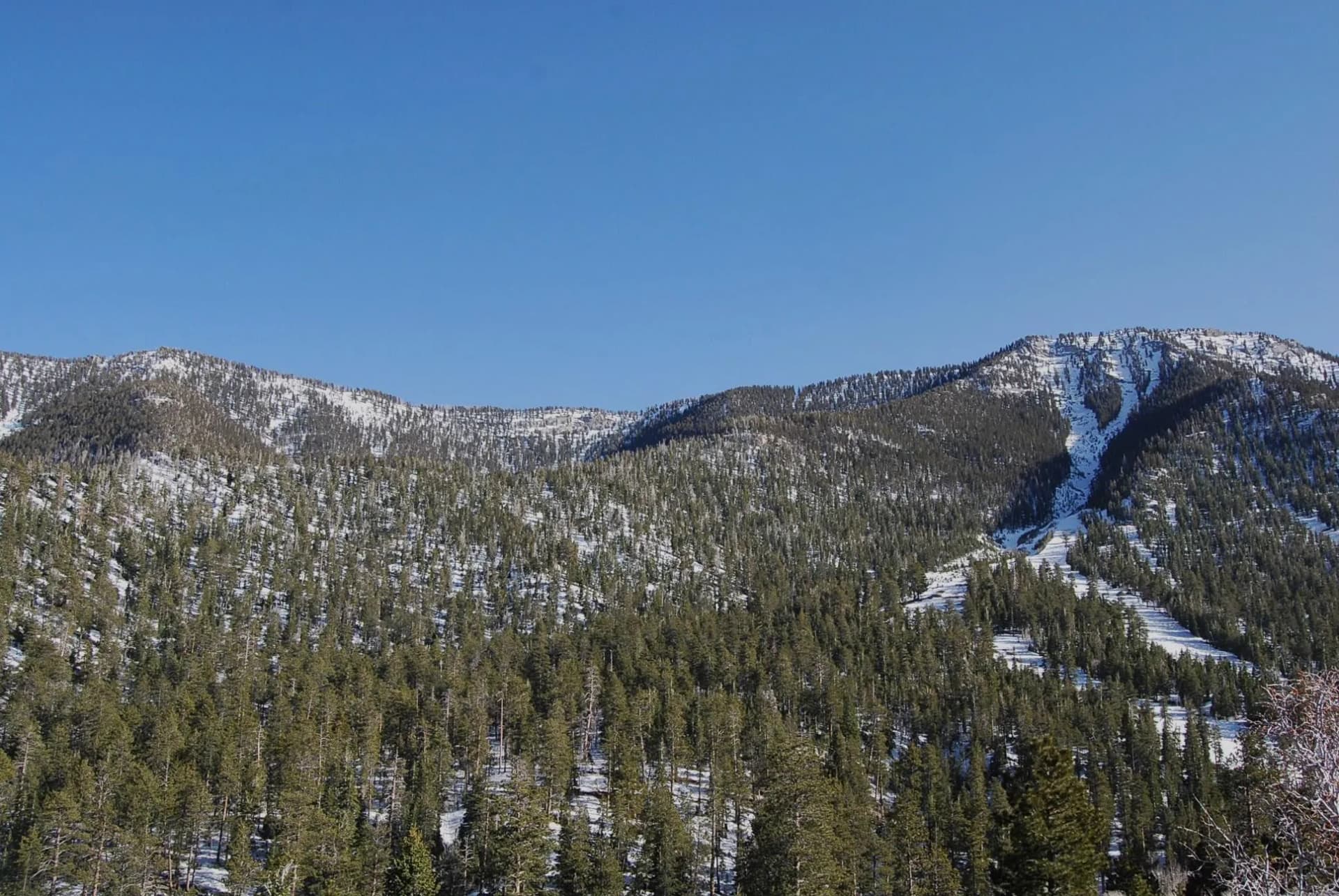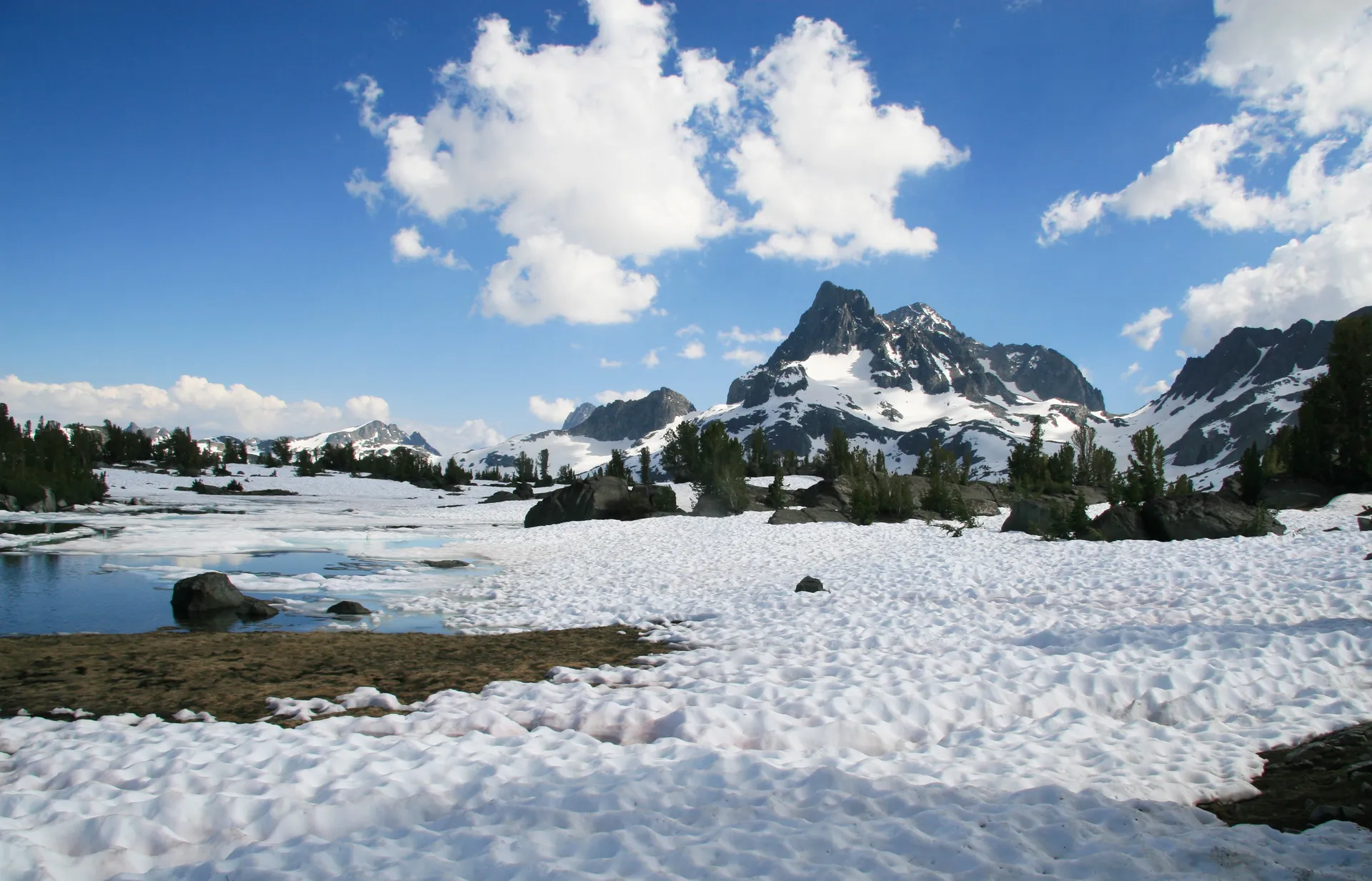
Cleveland National Forest occupies the rugged mountain ranges east of San Diego and Temecula, covering 460,000 acres of chaparral, oak woodland, pine forest, and high-desert edge terrain. The forest wraps around the Laguna, Cuyamaca, and Palomar mountains, rising from coastal foothills at a few hundred feet to peaks above 6,000 feet. This elevation range and the Mediterranean climate create a landscape that looks dry and austere from a distance but rewards close inspection with remarkable biodiversity.
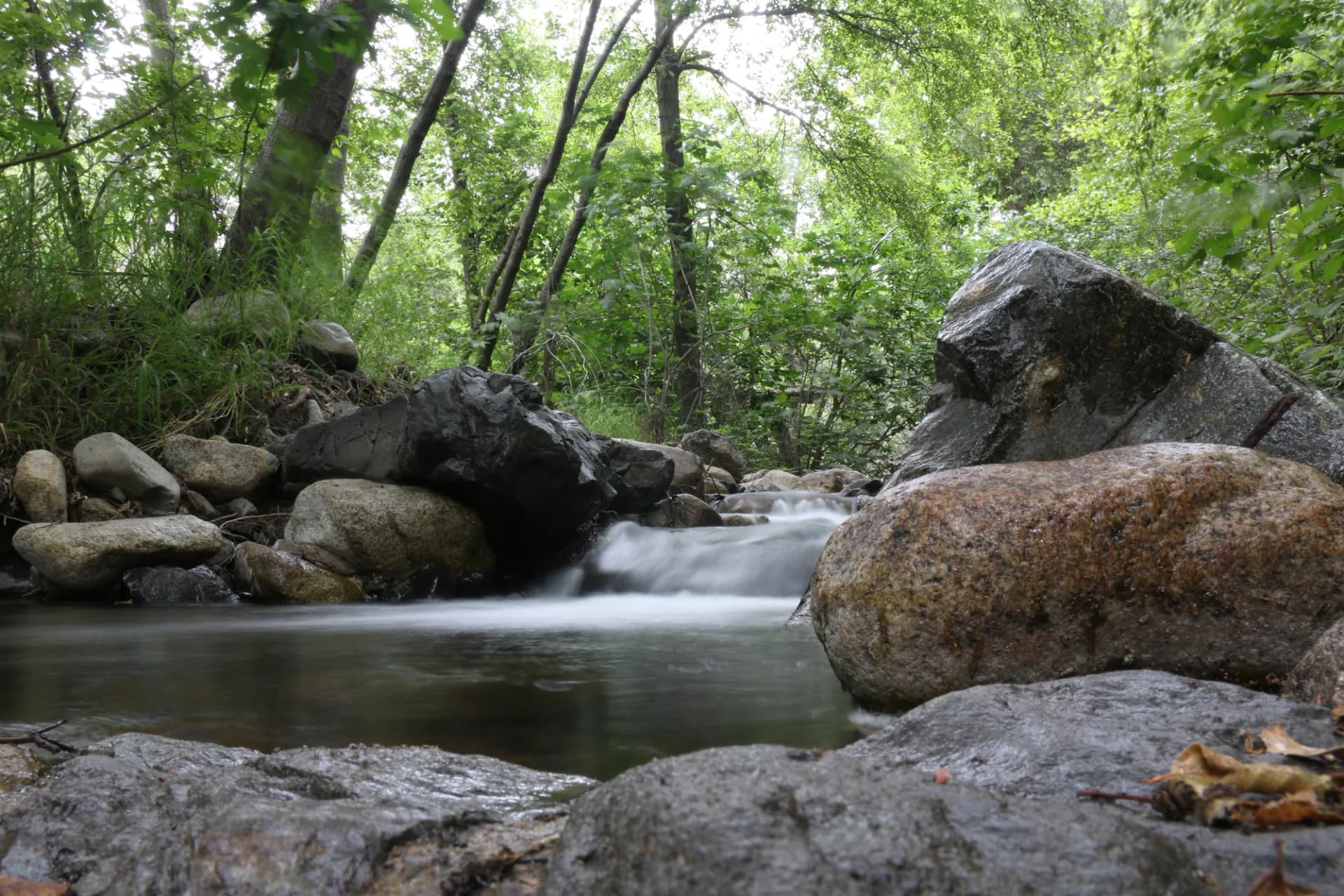
Southern California's chaparral ecosystem is the dominant feature of Cleveland National Forest below 4,000 feet. Manzanita, chamise, ceanothus, and scrub oak form dense thickets across the mountain slopes, punctuated by riparian corridors where sycamore, willow, and oak mark the creek lines. Above 5,000 feet, Coulter pine, black oak, and Jeffrey pine replace the chaparral in a transition that feels abrupt when you cross it on a trail. The Laguna Mountains, the forest's highest terrain, support a meadow ecosystem that is surprisingly lush for Southern California.
The forest was established in 1908, making it one of the oldest national forests in California. Its location adjacent to San Diego and Riverside counties gives it an enormous user base; the Laguna Mountain Recreation Area alone sees hundreds of thousands of visitors annually. Yet the forest's four designated wilderness areas (Agua Tibia, Pine Creek, Hauser, and the southern portion of Sheep Mountain) remain genuinely remote and lightly used. For context on how national forests differ from the more-visited national parks, see our national forest vs. national park overview.
Why Cleveland National Forest Stands Out
The Laguna Mountain Plateau
At 6,000 to 6,400 feet, the Laguna Mountain plateau is the highest and most temperate terrain in the forest. The views from its eastern escarpment drop dramatically toward the Anza-Borrego Desert, a vertical relief of nearly 4,000 feet in under 3 miles. Garnet Peak and Laguna Meadow are both reached from the Laguna campground area, offering a full range of difficulty. The meadow itself is one of the finest high-desert meadows in Southern California, carpeted with wildflowers in spring.
Noble Canyon National Recreation Trail
The Noble Canyon Trail is one of the best long-distance hiking and mountain biking routes in the region. The 10.3-mile point-to-point route descends from Pine Valley through a dramatic chaparral and oak canyon to the floor of the Noble Canyon. The trail is shared with mountain bikers, so hikers should be aware of bike traffic, particularly on weekends.
Year-Round Accessibility
Cleveland National Forest's lower-elevation trailheads are accessible every month of the year. While the Pacific Crest Trail thruhiker crowd views Southern California as a winter-hiking destination, the forest's spring wildflower season (February through April) is when the landscape is at its most spectacular. The Agua Caliente Creek Trail and several other lower-elevation routes are particularly good for early-spring wildflower hiking.
Best Trails in Cleveland National Forest
The Garnet Peak trail is the forest's most rewarding short hike, a 3.4-mile out-and-back to a granite summit with desert views that seem incompatible with the cool pine forest just below. Laguna Meadow Loop is the best easy hike, a 6-mile circuit through the meadow and pine forest of the Laguna plateau. The Big Laguna Lake Loop offers an even easier option with lake access.
The Noble Canyon Trail is the forest's signature long hike, but it requires a car shuttle or a 10-mile one-way commitment. Volcan Mountain is an excellent full-day objective above Julian, offering views over both the desert and the Pacific from its 5,400-foot summit.
Permits and Passes
An Adventure Pass is required for most day-use parking in Cleveland National Forest as of 2026 (verify current requirements). Day passes cost $5 and annual passes cost $30. America the Beautiful passes are accepted in lieu of the Adventure Pass. A free campfire permit is required for any open fire outside developed campgrounds.
For veterans, the America the Beautiful Access Pass and the Military Annual Pass both provide parking fee coverage. See our veteran benefits guide for details on eligibility and how to obtain these passes.
Camping
Laguna Campground is the largest and most popular camping area in the forest, with 104 sites and full facilities at 6,000 feet elevation. Burnt Rancheria, nearby, offers 110 additional sites. Both are reservable through Recreation.gov and fill on spring and fall weekends. For camping reservations and permit requirements, see our national forest camping guide.
Dispersed camping is allowed throughout the forest outside of developed areas, wilderness areas, and posted closure zones. A free campfire permit is required and conditions can change rapidly with fire risk.
When to Visit
October through May is the general sweet spot for Cleveland National Forest. Spring (February through April) is peak season for wildflowers and comfortable temperatures. Summers are hot and dry, with potential for extreme fire danger. Fall brings cooler air and the possibility of late-season visits to the higher terrain.
Fire conditions can change rapidly in Cleveland National Forest, which has seen some of Southern California's largest wildfires. Before any visit, check current closures and fire conditions via the resources in our pre-trip guide.
Getting There
From San Diego, take Interstate 8 east to Pine Valley, then north on Old Highway 80 to reach the Laguna Mountain area. State Route 79 through Julian provides the main northern access route. From Temecula, State Route 79 south connects to the Palomar Mountain area of the forest.
Practical Tips
- An Adventure Pass is required at most trailhead parking areas. Display it on your dashboard.
- Water is scarce on most trails outside of winter and spring. Carry more than you expect to need on any hike.
- Rattlesnakes and mountain lions are present throughout the forest. Follow USFS guidance on wildlife encounters.
- Summer fire restrictions may ban all open flames, including backpacking stoves. Check current restrictions.
- Leave No Trace practices are especially important in this high-use, fire-prone forest. Review our Leave No Trace guide.
Planning Your Trip
Cleveland National Forest's diversity of terrain means that the best experience depends heavily on when you go and where you focus. The Laguna Mountain area is the most developed and the most photogenic. The wilderness areas to the south (Pine Creek, Hauser) are less visited and more rugged. Check current conditions before your trip and confirm that any specific trails or campgrounds are open.