Anaconda Range and Mining Country
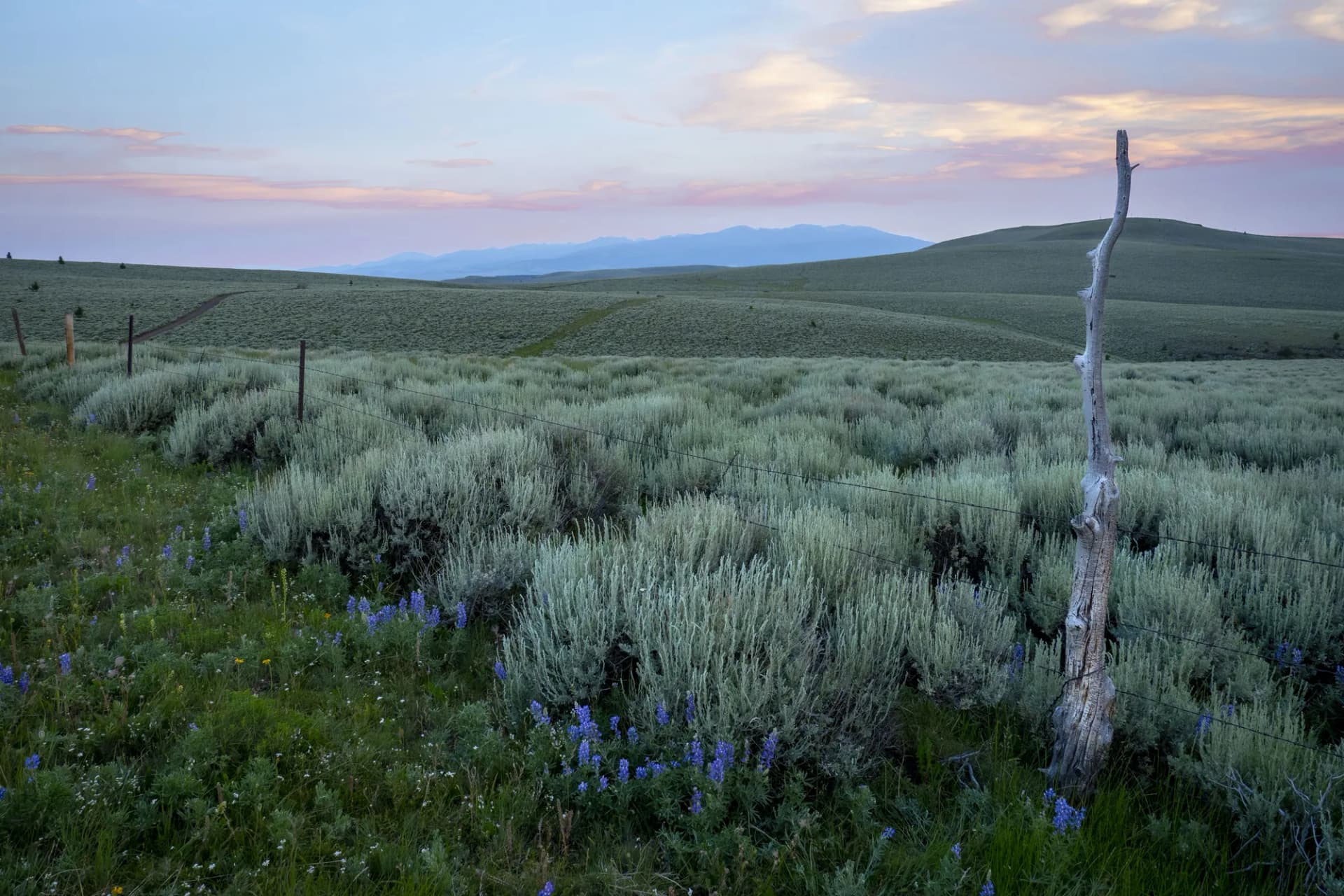
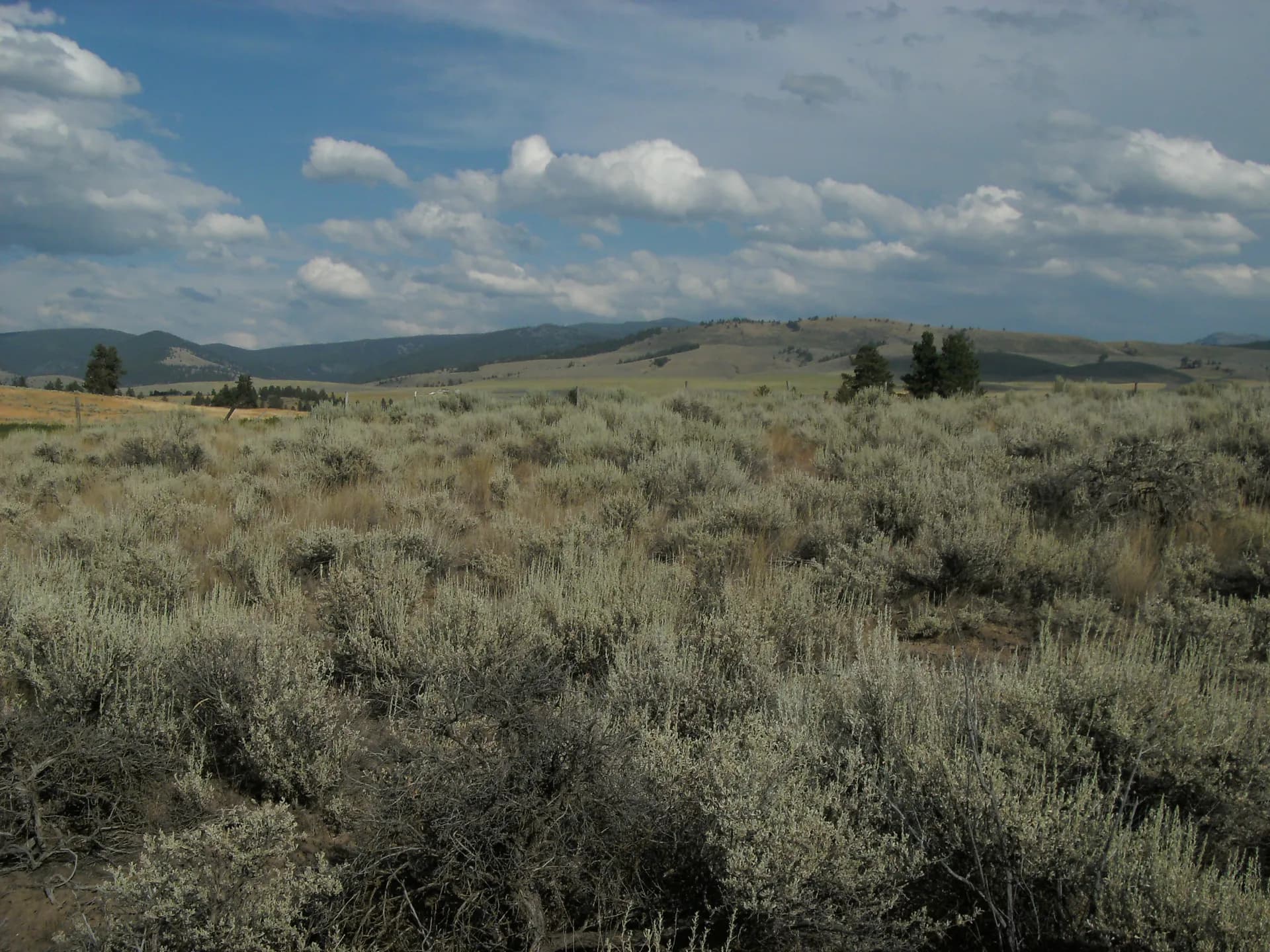
Deerlodge National Forest covers the western Montana mountain ranges above the historic mining towns of Anaconda and Butte, encompassing roughly 1,096,000 acres of the Anaconda Range and the Flint Creek Range. It forms the western portion of the combined Beaverhead-Deerlodge National Forest administrative unit, the largest national forest in Montana by area. The two sections share a supervisor's office in Dillon, but the Deerlodge section has a character shaped by copper and silver mining history that sets it apart from the Beaverhead's ranch-and-river landscape to the east.
The community of Anaconda, sitting at the forest's western edge, is defined by the giant Anaconda Smelter Stack, a 585-foot brick smokestack visible for miles across the valley and now preserved as a state park. The smelter processed copper ore from Butte's mines for nearly a century, and the environmental legacy of that operation shapes much of the valley floor. The forest itself, at higher elevations and in the mountain drainage upstream, has recovered substantially, and the Anaconda-Pintler Wilderness represents some of the finest high-country hiking in Montana.
Anaconda-Pintler Wilderness
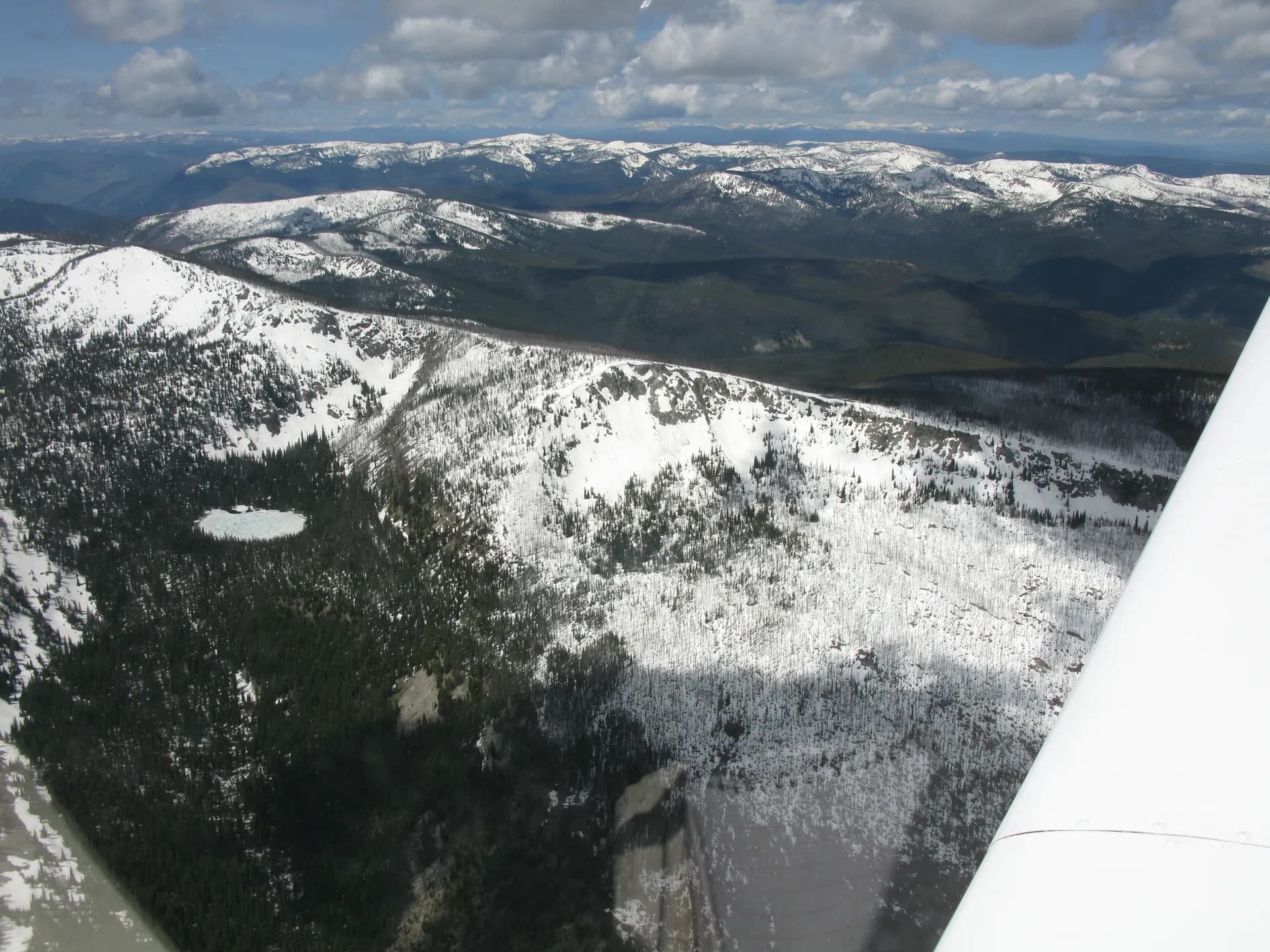
The Anaconda-Pintler Wilderness stretches across the Anaconda Range in a 70-mile arc from the Bitterroot Valley to the Pioneer Mountains, with its core in the Deerlodge section. The wilderness contains rugged peaks above 10,000 feet, numerous alpine lakes, and the Continental Divide Trail, which traverses the crest of the range. This is genuine high-country terrain: short summers, frequent afternoon lightning, and trails that require navigation skills in the upper basins.
The wilderness is far less visited than better-known Montana ranges like the Mission or Beartooth. That relative solitude is its primary draw for experienced backpackers. Trails into the interior basins typically require two to three days minimum to explore thoroughly. Mule deer, elk, black bears, and mountain goats are all present in the wilderness.
Granite Mountain and Mining Heritage
The Granite Mining District east of Phillipsburg was one of the most productive silver producers in Montana history during the 1880s boom. Ghost town ruins at Granite, Montana sit on forest land and are accessible via forest roads. The surrounding terrain, scarred by historical mining activity, has largely revegetated with lodgepole pine and subalpine fir. The Flint Creek Range above Phillipsburg is a quieter corner of the forest with good fishing in Flint Creek and several accessible lakes.
Best Trails
Anaconda-Pintler Wilderness Loop (24.0 miles, multi-day loop) traverses the core of the wilderness, crossing the Continental Divide twice and visiting several remote lake basins. Most hikers take three to four days. Snow on passes can persist through mid-July.
Pintler Pass Trail (12.0 miles, out-and-back) climbs to the Continental Divide at Pintler Pass, with views into both the Deerlodge and Bitterroot sides of the range. This is the most direct route into the wilderness interior from the Anaconda side.
Storm Lake Trail (7.0 miles, out-and-back) reaches an alpine lake in the Pintler highlands, offering a manageable day trip to lake scenery without the full commitment of the wilderness loop.
Warm Springs Creek Trail (8.0 miles, out-and-back) follows the Warm Springs Creek drainage from the valley floor into the mountain interior, passing through ranch-and-aspen country before entering the conifer forest above.
Upper Flint Creek Trail (9.0 miles, out-and-back) explores the headwaters of Flint Creek in the eastern section of the forest, a quieter alternative to the Pintler high country.
Permits and Passes
No permit is required for day hiking or dispersed camping in Deerlodge National Forest (as of 2026). Developed campground fees apply where noted. America the Beautiful passes are accepted at fee sites. Veterans and permanently disabled individuals may qualify for the federal discount passes.
Bear activity is documented throughout the Anaconda-Pintler high country. Review bear canister requirements before any overnight wilderness trip.
Camping
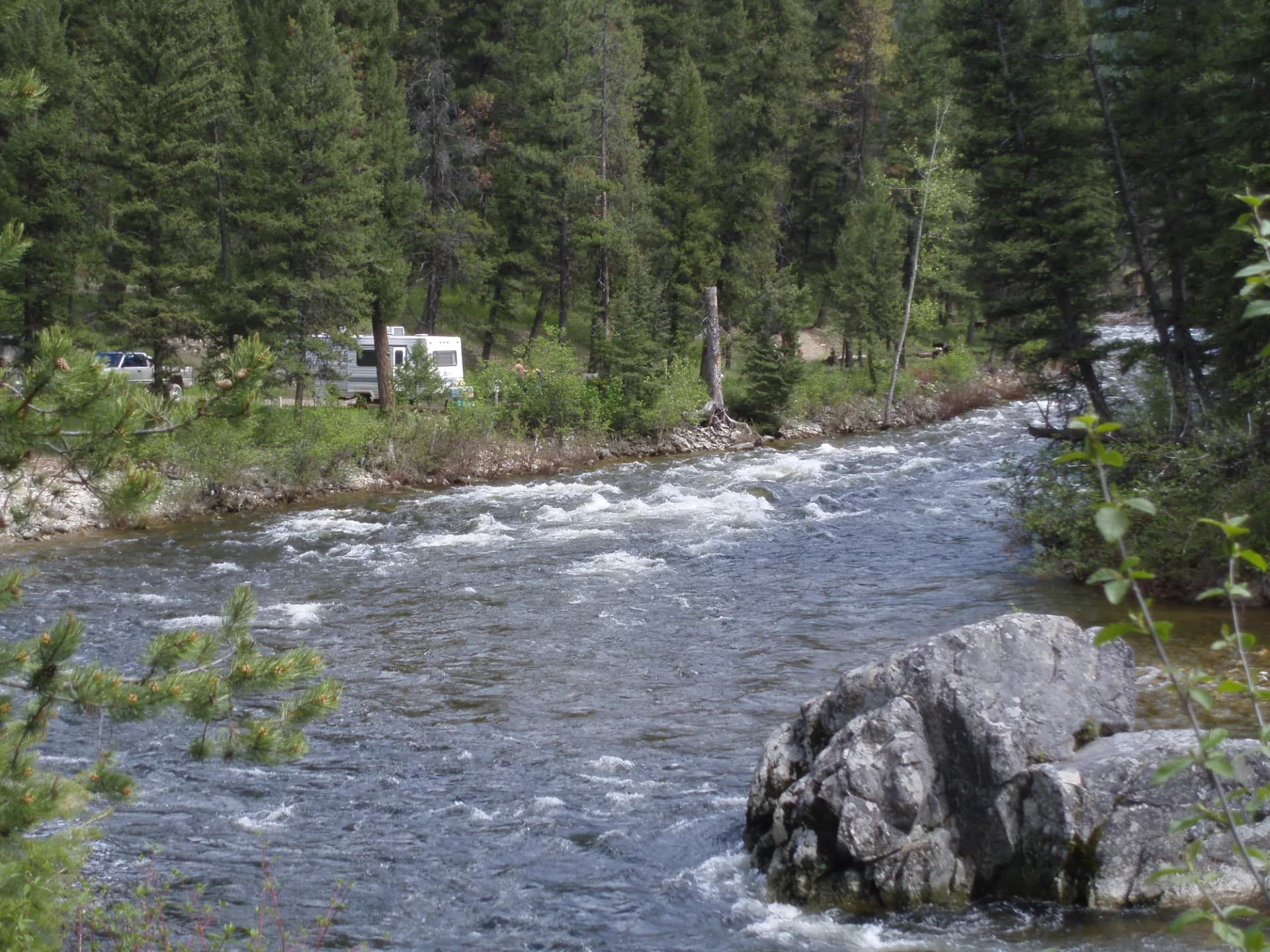
Developed campgrounds are modest and primarily first-come, first-served. Warm Springs Campground and Spring Hill Campground sit near the main access corridors at reasonable elevations. Lodgepole Campground in the Flint Creek drainage is the largest reservable option. Dispersed camping is widely available throughout the forest along forest roads; review current fire restrictions with the ranger district, as late summer fire danger can restrict campfire use.
When to Visit
July through September is the hiking season for the high country. The Anaconda-Pintler Wilderness is typically accessible from late July after snow clears from the high passes. September is excellent for elk viewing and reduced crowds. Fall colors in the aspens below the high country peak in late September.
Check conditions at checking conditions before you go and practice Leave No Trace principles throughout the forest, particularly in the wilderness areas.
Getting There
From Anaconda, take MT-1 east or take forest roads south directly into the Anaconda-Pintler high country. From Butte, MT-1 west to Anaconda takes about 25 miles. Missoula is approximately 75 miles northwest via I-90.