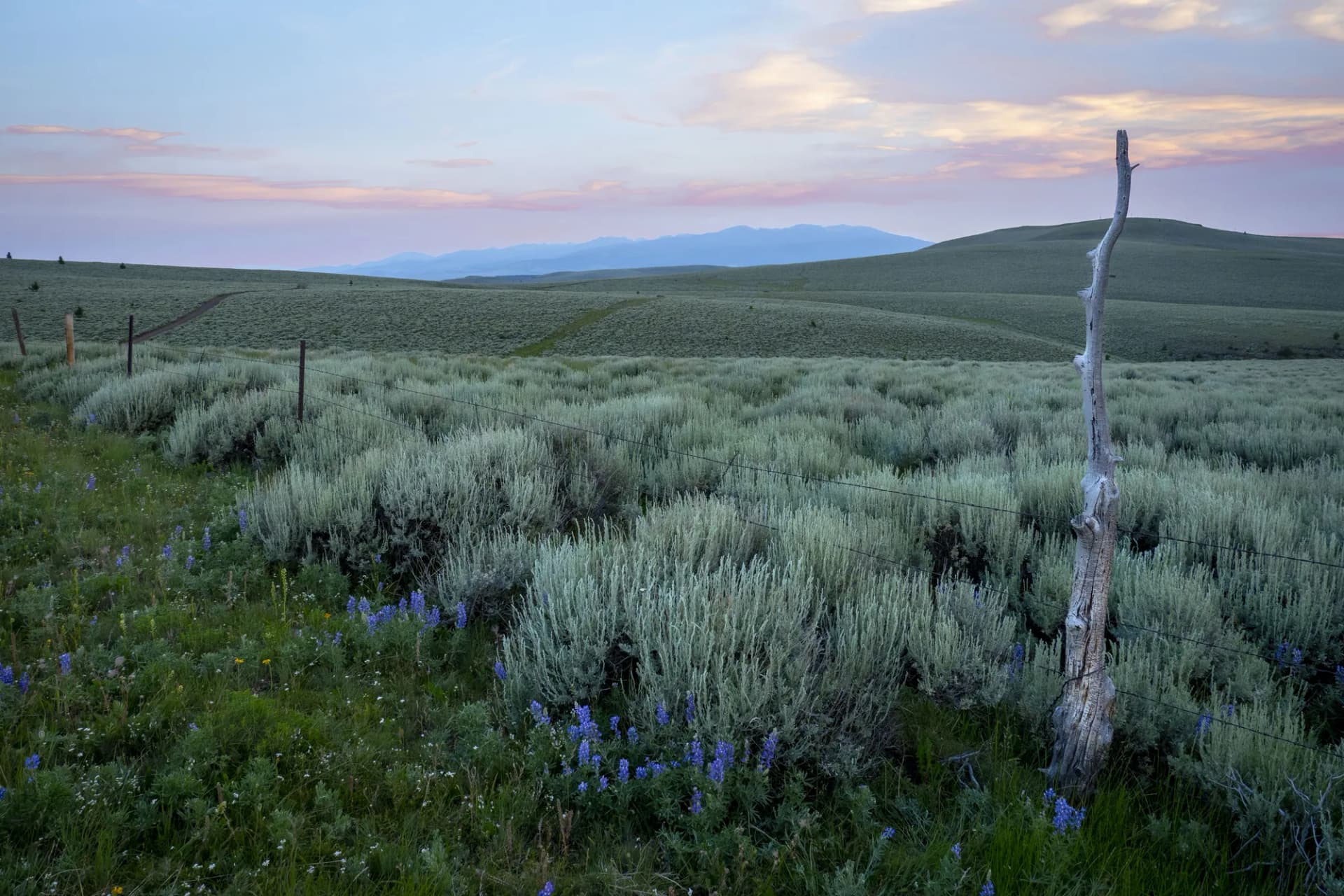
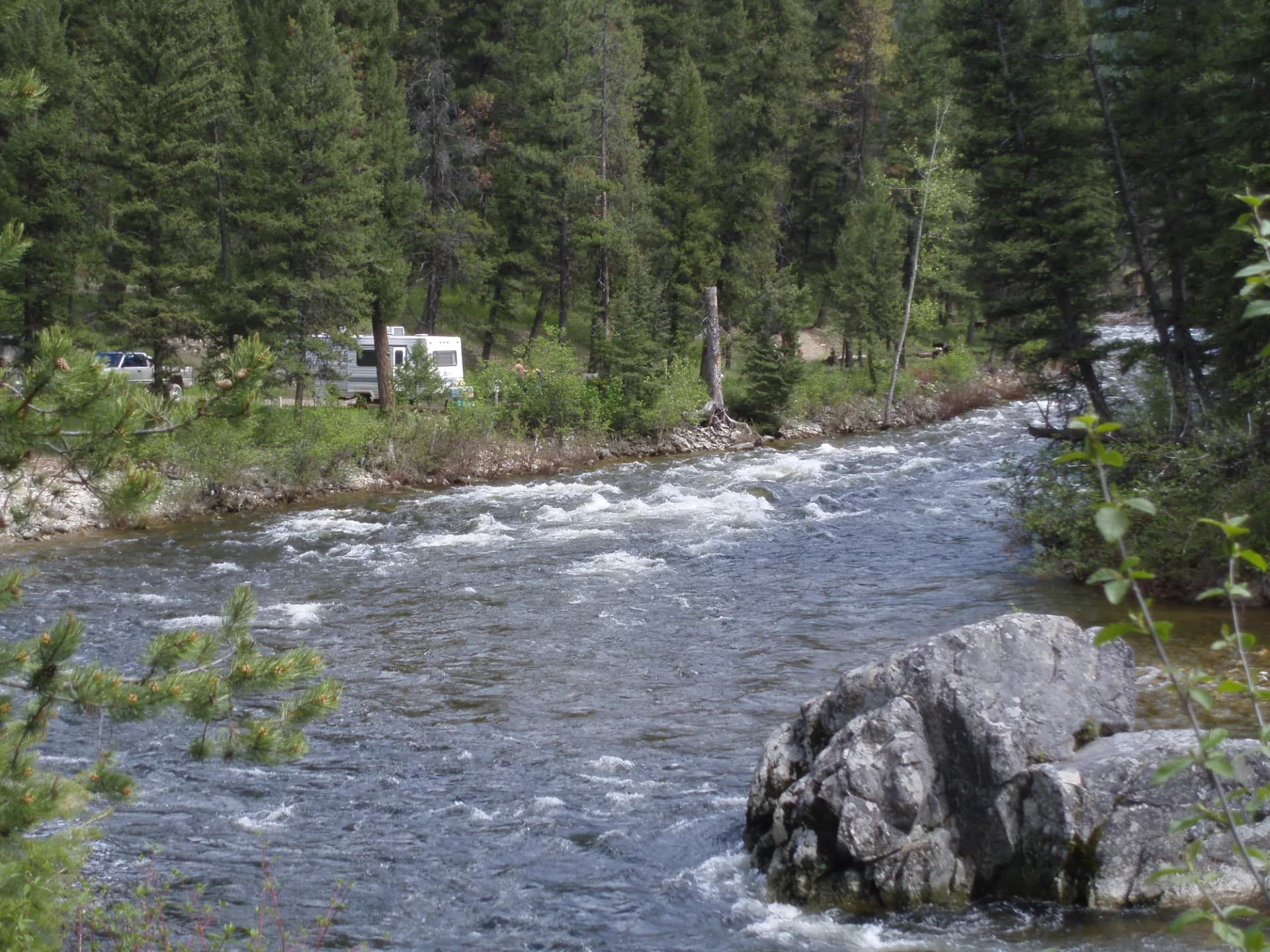
Idaho Panhandle National Forests covers 2.5 million acres across the narrow northern strip of Idaho, combining the historic St. Joe, Coeur d'Alene, and Kaniksu national forests into one of the Pacific Northwest's most lake-rich, river-threaded outdoor destinations. The complex stretches from the Washington state line east to Montana, encompassing two of Idaho's largest lakes, the wild St. Joe River corridor, and the glacier-carved Selkirk Mountain range. Elevations range from around 2,000 feet at the lakes to nearly 7,300 feet on the Selkirk Crest.
The Idaho Panhandle is not well known outside the region, which is one of its defining advantages. While Glacier National Park and the Cascade Range draw crowds to the surrounding states, this complex of forests, lakes, and river valleys draws a fraction of the attention it deserves. The result is uncrowded trails, open campsite availability even on summer weekends, and a genuine sense of remoteness close to Spokane, Coeur d'Alene, and Sandpoint.
Why Idaho Panhandle Stands Out
Priest Lake and the old-growth cedar forest. Priest Lake sits in the northern section of the Kaniksu unit, accessible by a single paved road from Sandpoint. The lake is 23 miles long, glacier-carved, surrounded almost entirely by national forest. The shoreline forests contain some of the finest old-growth western red cedar and western hemlock in Idaho, trees measuring 4 to 6 feet in diameter, their bases buttressed and shaggy with moss. The Priest Lake Lakeshore Trail provides direct access to this shoreline. The isolation feels total, but the lake is only two hours from Spokane.
The St. Joe River. The St. Joe drains a vast watershed from the Montana divide westward to Lake Coeur d'Alene, flowing through a remarkably intact national forest corridor. It is classified as a Wild and Scenic River for much of its length. The upper St. Joe is prime cutthroat trout water and a popular float for kayakers and canoeists. The St. Joe River Trail follows the upper river through spruce-fir forest with frequent wildlife sightings.
The Selkirk Crest. The northern end of the Selkirk Range holds some of the most rugged terrain in the Idaho Panhandle, with peaks rising above 7,000 feet and the Salmo-Priest Wilderness straddling the Idaho-Washington line. This is grizzly bear and woodland caribou country, the southernmost extent of caribou range in the lower 48. The Selkirk Crest Trail traverses exposed ridgeline with views across three states.
Best Trails
The Chimney Rock Trail (9.0 miles, strenuous) climbs to a dramatic granite pinnacle in the Cabinet Mountains area with sweeping views of the Idaho-Montana border country. The Selkirk Crest Trail (12.0 miles, moderate-hard) is the signature high-country route in the northern forests, running the ridgeline with views of Priest Lake far below. The Priest Lake Lakeshore Trail (7.8 miles, easy) is the most accessible route in the complex, tracing the eastern shoreline of Priest Lake through old-growth cedar.
The Bead Lake Trail (4.5 miles, easy-moderate) loops a small mountain lake near Newport with good family appeal and wildlife viewing. The Roman Nose Lakes Trail (8.6 miles, moderate-hard) accesses a chain of alpine lakes in the Selkirk high country. The St. Joe River Trail (6.0 miles, easy) follows the river through old-growth spruce and fir. The Mallard-Larkins Pioneer Area Trail (10.0 miles, moderate) reaches a roadless area in the southern St. Joe unit with pristine mountain lakes. The Freezeout Ridge Trail (5.5 miles, moderate) offers elevated views over Lake Coeur d'Alene from a ridge above the lake's eastern arm.
Permits and Passes
No permit is required for day hiking or dispersed camping throughout the Idaho Panhandle National Forests. This no-permit policy extends to the wilderness areas in the Selkirk and Cabinet mountain ranges. Developed campground sites require a fee and reservations are available through Recreation.gov for the most popular campgrounds near Priest Lake. The America the Beautiful pass covers day use fees at developed sites. Veterans and active military should review our veteran benefits guide for additional pass options.
Wildfire closures can occur rapidly in the dry summers of northern Idaho. Before any trip, check the current closure status on the USFS IPNF website and review our checking conditions guide. Avalanche conditions in the Selkirk and Cabinet ranges are tracked by the Northwest Avalanche Center in winter and spring.
Camping
Priest Lake Campground (Lionhead) (45 sites) is the most popular campground in the complex, set on the southern end of Priest Lake with lake access, a swim beach, and boat launch. Summer reservations fill weeks in advance through Recreation.gov.
Reeder Bay Campground (24 sites) sits on the western shore of Priest Lake, quieter than Lionhead and favored by anglers. No hookups, but the setting directly on the water is excellent.
Huckleberry Campground (33 sites) is positioned near the Selkirk Mountains, farther from the lake crowds and better situated for access to the Selkirk Crest trails. Vault toilets, no hookups. Open May through October when snow allows.
Shoreline Campground (20 sites) on the upper St. Joe River is a simpler, more remote option for river-focused visitors. No reservations; first-come, first-served.
Dispersed camping is allowed throughout the national forest land, at least 100 feet from water and trails. The St. Joe River corridor and the drainages on the east side of Priest Lake are popular dispersed camping zones.
When to Visit
June brings snowmelt and rising rivers, with wildflowers on the forest floor and excellent fishing on the St. Joe. Some high-elevation roads and trails in the Selkirk range may remain snowbound into June.
July and August are peak season for lake recreation. Priest Lake water temperatures warm to swimming range (mid-60s to 70s Fahrenheit). Campground competition is highest; book early for Priest Lake sites.
September and October offer the best hiking conditions: cool temperatures, low insect pressure, and the beginning of fall color in the western larch. The larch, unlike most conifers, turns brilliant gold before dropping its needles in October, creating a rare fall foliage display in a conifer forest.
November through May means snow at elevation, limited road access, and quiet. Cross-country skiing and snowmobiling are popular on the groomed trail systems around Priest Lake and the Selkirk valleys.
Getting There
From Coeur d'Alene (main gateway): The southern part of the forest is accessed via US-95 north toward Sandpoint, with forest roads branching east and west. Allow 45 minutes to Sandpoint and an additional 30 to 45 minutes to most trailheads.
From Sandpoint (northern gateway): The Priest Lake area is reached via State Highway 57 north, about 45 miles. The Selkirk Crest trailheads are accessed via roads east and north of Sandpoint.
From Spokane, WA: Cross into Idaho on I-90 east to Coeur d'Alene, then north on US-95. The drive to most northern trailheads is about 90 minutes to 2 hours from Spokane.
Practical Tips
Grizzly bears and black bears are present in the northern portions of the forest, particularly in the Selkirk Mountains. The USFS recommends carrying bear spray, traveling in groups, and making noise on trails to avoid surprising bears. Store food in bear-resistant containers or hang it properly at camp. See our bear canister requirements guide for specifics on food storage.
Wildfire is a serious seasonal hazard. The Idaho Panhandle burned extensively in the historic 1910 fire and remains prone to large fires in dry summers. Check InciWeb and local USFS closures before traveling. Smoke from regional fires can affect air quality throughout northern Idaho.
Road conditions: Many forest road trailheads require high-clearance vehicles, especially after spring snowmelt. Download offline maps (AllTrails, Gaia GPS, or USFS Motor Vehicle Use Maps) before leaving cell service range.
Leave no trace principles matter especially around Priest Lake and the river corridors, which see concentrated summer use. Follow the Leave No Trace seven principles to protect water quality and wildlife habitat.