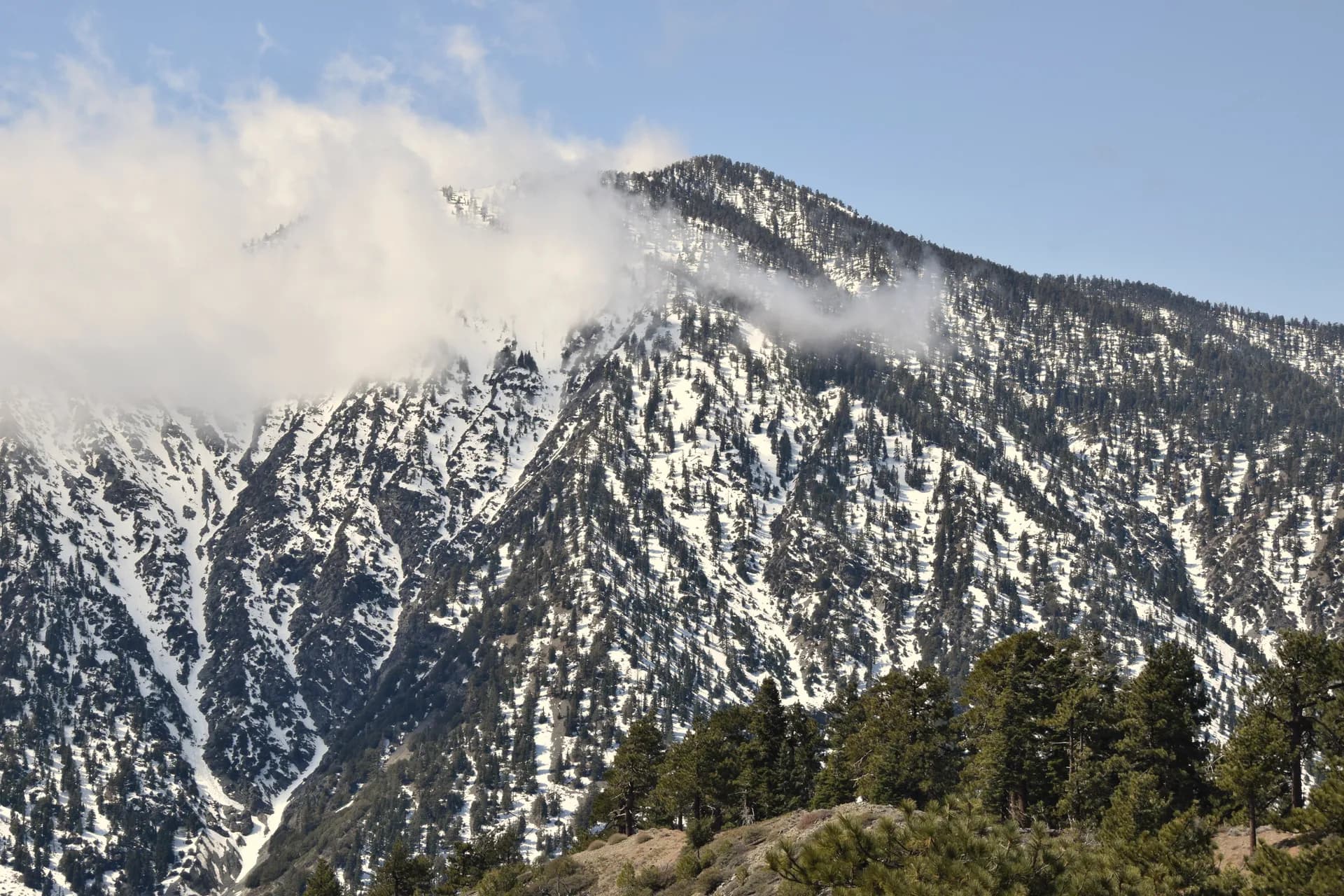
Modoc National Forest covers 1.6 million acres of California's northeastern corner, a vast and largely overlooked landscape of ancient lava flows, fault-block mountain ranges, and Great Basin sagebrush that bears almost no resemblance to the California of popular imagination. In California's northeastern corner, the Cascade volcanic landscape gives way to the Basin and Range geology of the Great Basin, and Modoc sits at that transition. The Warner Mountains rise abruptly from the arid plateau to over 9,000 feet, supporting forests of aspen and fir that feel more like Idaho than California.
The forest is genuinely remote. Alturas, the only city of any size in Modoc County, has a population of under 3,000. The pronghorn antelope in the sagebrush flats outside Alturas outnumber the humans. The Tule Lake and Lower Klamath National Wildlife Refuges adjacent to the north forest boundary attract millions of migratory birds each fall. And the South Warner Wilderness provides high-country backpacking with virtually no crowds.
Why Modoc Stands Out
South Warner Wilderness and the Warner Mountains. The Warner Mountains are a fault-block range, one of the few such ranges in California and geologically distinct from the volcanic landscape around them. The Warner ridgeline runs north-south at elevations of 7,000 to 9,000 feet, with glacially carved cirques, permanent streams, and aspen-mixed conifer forests. The Summit Trail traverses the spine of the range through the 70,000-acre wilderness.
Medicine Lake Highland. Medicine Lake sits in a volcanic caldera at 6,700 feet, the largest shield volcano in the United States by area. The Medicine Lake Highland includes cinder cones, obsidian flows, lava tube caves, and the lake itself. The Medicine Lake Rim Trail circles the caldera rim. The Glass Mountain obsidian flow to the east is one of the largest obsidian outcrops in North America.
Wildlife: pronghorn, sage grouse, and migratory birds. The open sagebrush landscape of the Modoc Plateau supports pronghorn antelope in significant numbers, one of the easiest places in California to see North America's fastest land animal in its natural habitat. Fall migration at the adjacent Tule Lake and Klamath refuges brings concentrations of ducks and geese that can number in the hundreds of thousands.
Best Trails
The Summit Trail: South Warner Wilderness (10.0 miles, strenuous) traverses the Warner Mountain spine through the wilderness. The Patterson Meadow Trail (6.0 miles, moderate) accesses a large high-mountain meadow in the Warner Mountains with pronghorn and bald eagle viewing. The Medicine Lake Rim Trail (5.5 miles, easy-moderate) circles the volcanic caldera. The Pepperdine Trail (4.0 miles, easy-moderate) is an accessible Warner Mountains approach.
The Lava Beds National Monument Loop (3.5 miles, easy) is adjacent to the forest boundary and explores lava tube caves. The Lassen Creek Trail (5.0 miles, moderate) follows Lassen Creek through the southern forest. The Clear Lake Wildlife Trail (3.0 miles, easy) circles a wetland complex with excellent birding. The Slide Creek Trail (7.5 miles, moderate-hard) provides deep Warner Mountains access from the east.
Permits and Passes
A campfire permit is required for any fire or stove use outside developed campground fire rings (as of 2026), available free at readyforwildfire.org. No hiking or dispersed camping permit is required anywhere in Modoc National Forest or the South Warner Wilderness. The America the Beautiful pass covers day use fees. Veterans should review our veteran benefits guide.
Check current fire restrictions and road conditions at fs.usda.gov/modoc and review our checking conditions guide.
Camping
Medicine Lake Campground (22 sites) is the primary campground for the volcanic highland area, set near the lake at 6,700 feet. First-come, first-served. The access road typically opens in mid-June.
Plum Valley Campground (15 sites) is near the southern Warner Mountains, a good base for the Pepperdine and Patterson Meadow trails. First-come, first-served.
Soup Spring Campground (14 sites) is in the Warner Mountains area, positioned near good high-country hiking access. First-come, first-served.
Pepperdine Campground (12 sites) is a small campground at the Pepperdine Trailhead, very small and very remote. Good for those who want to walk out of camp.
When to Visit
June through August are the primary months when the Medicine Lake road and the high Warner Mountains trails are accessible after snowmelt. July is when the Warner Mountains wildflowers are at peak.
September and October offer the best wildlife viewing with the beginning of fall waterfowl migration at the adjacent refuges. The Warner Mountains show fall color (aspen) in late September. Hunting season begins; blaze orange is strongly recommended.
November through May: Most high roads are closed. The lower-elevation areas around Alturas are accessible year-round.
Getting There
From Redding: Take State Route 299 east to Alturas, about 110 miles and 2 hours. This is the primary route from the Sacramento Valley.
From Reno: US-395 north to Alturas, about 90 miles and 1.5 hours. The route provides good pronghorn viewing on the Nevada side of the border.
From Klamath Falls, OR: US-97 south then SR-299 east to Alturas. About 90 miles.
Practical Tips
Isolation means preparation. Modoc is genuinely remote. Cell service is absent throughout most of the forest. Fuel is limited; top off in Alturas before any extended forest road exploration. Download offline maps. Carry extra water; the volcanic plateau has limited surface water.
Summer lightning is a hazard on the Warner Mountains ridgelines. The South Warner Wilderness experiences afternoon thunderstorms in July and August; plan to be off ridgelines by early afternoon.
Rattlesnakes are present in the lower-elevation sagebrush and rocky areas. Watch where you step and place your hands, particularly in warm weather. Give any rattlesnake encountered plenty of space and do not attempt to move or handle it.
Leave no trace principles matter especially in the rarely visited backcountry of the South Warner Wilderness and the Medicine Lake Highland. Follow the Leave No Trace seven principles.