Overview
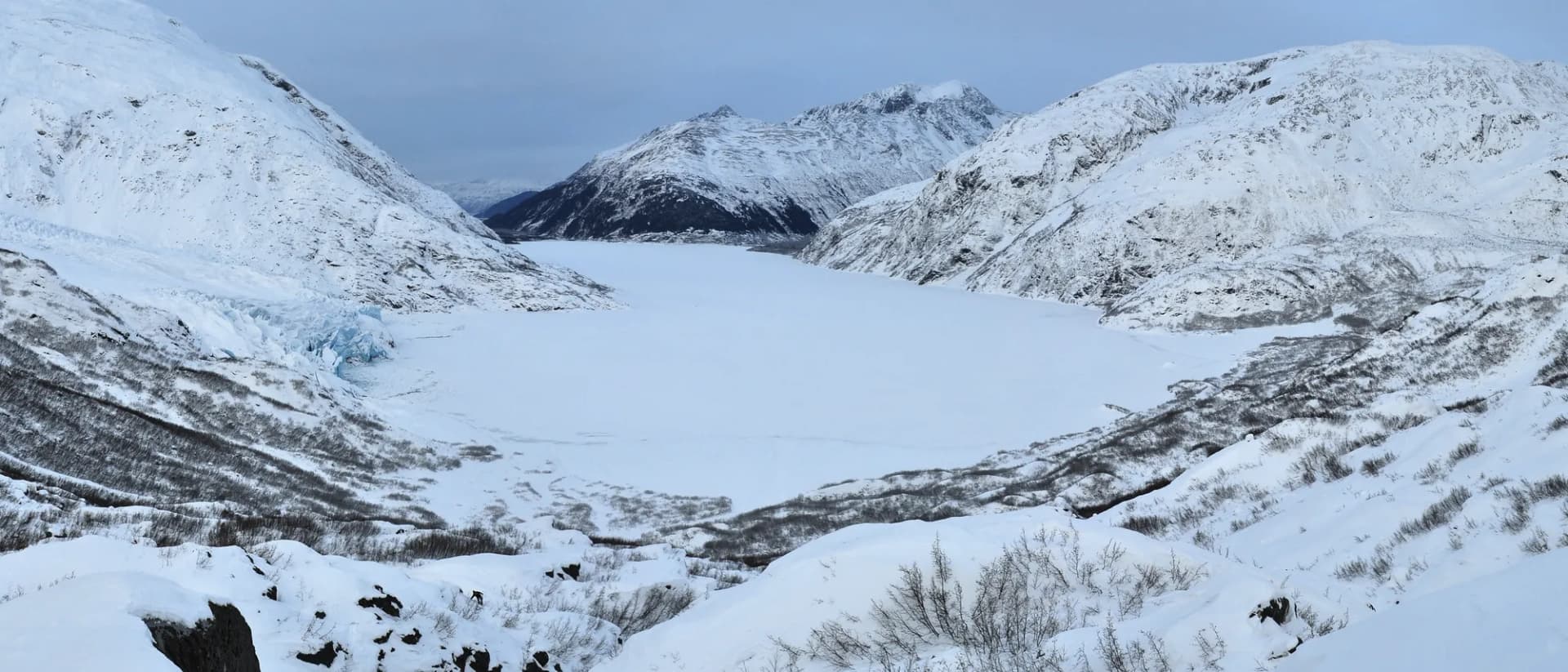
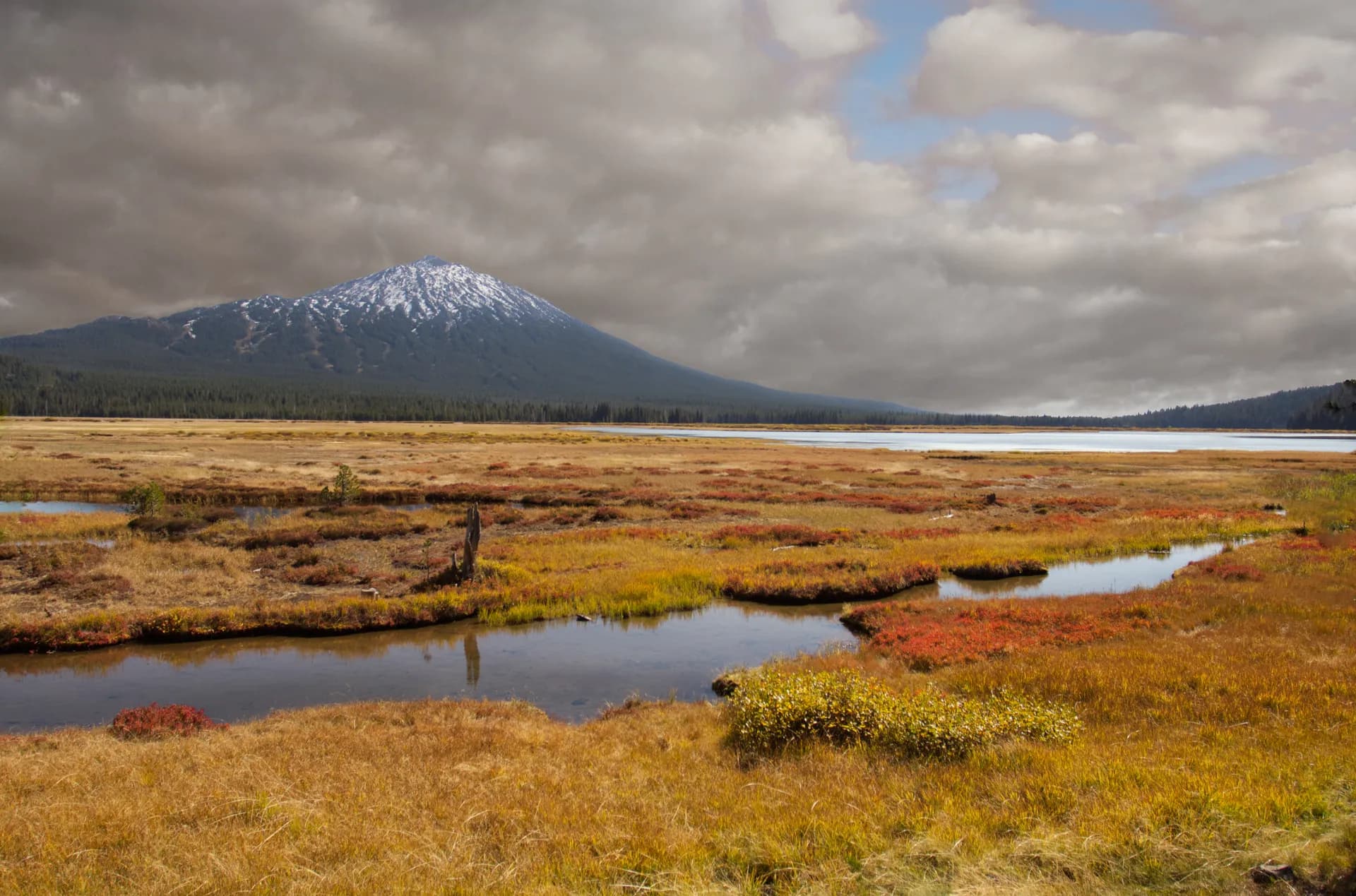
Colville National Forest covers 1.5 million acres of northeastern Washington, a landscape of rolling forested mountains, glacially carved lake basins, and more than 900 lakes and ponds. The forest occupies a transitional zone between the moist Pacific Northwest and the drier interior Columbia Basin, creating a distinctive mix of western larch, ponderosa pine, and Douglas fir that gives the region a character distinct from the Cascades.
Two mountain ranges define the forest: the Kettle Range in the west and the Selkirk Mountains in the east. The Salmo-Priest Wilderness in the Selkirk's northeastern corner protects Washington's last remaining grizzly bear population and is habitat for the Selkirk Mountain woodland caribou, the southernmost population of this species in the lower 48 states.
Why Colville National Forest Stands Out
Salmo-Priest Wilderness and Grizzly Country
The Salmo-Priest Wilderness covers 39,937 acres in the Selkirk Mountains near the Canadian border. This is genuine grizzly bear country, part of the Selkirk Mountain grizzly recovery area that spans the border into British Columbia and Idaho. The wilderness is primarily old-growth cedar and hemlock, with the Salmo and Priest Rivers draining through forested valleys. Trail access is limited and the wilderness is intentionally managed for minimal human impact, making it one of the most remote day-hiking destinations in Washington.
Sullivan Lake
Sullivan Lake is a 1,300-acre natural lake at 2,580 feet in the Pend Oreille River drainage, one of the larger recreation lakes within a national forest in Washington. The Lakeshore Trail circles half the lake. The adjacent campground is family-friendly and the lake is productive for fishing.
The Kettle Crest
The Kettle Range forms a long, open ridge system across the western third of the forest, accessible via the 42-mile Kettle Crest Trail. The terrain is gentler than the Selkirks: rolling ridgeline hiking with consistent views east and west, old-growth larch groves, and good wildlife habitat for white-tailed deer and black bear. This is Washington's answer to the high-desert ridge hiking common in eastern Oregon.
Best Trails
The Salmo Loop Trail is an 8.4-mile circuit through the Salmo-Priest Wilderness along the Salmo River in old-growth cedar and hemlock forest, with a small chance of grizzly encounter.
The Kettle Crest North Trail covers 12.2 miles of the Kettle Crest ridgeline with open views across northeastern Washington, excellent for a long day or first-night backpacking trip.
The Sullivan Lake Lakeshore Trail is a gentle 4-mile circuit around part of Sullivan Lake through mixed forest and along the shoreline, appropriate for all fitness levels.
The Grassy Top Lookout Trail is a 5.8-mile out-and-back to a historic fire lookout on the Kettle Crest with 360-degree views across the forest.
The Abercrombie Mountain Trail is a 6.4-mile round trip to the summit of Washington's highest peak in the Colville National Forest at 7,308 feet, with views into Canada, Idaho, and across the Columbia Plateau.
The Flume Creek Mountain Trail is an 8.0-mile out-and-back to Flume Creek Mountain through larch and pine, with views of the Kettle Range and good fall color from October.
The Sherlock Peak Trail is a 5.0-mile out-and-back to a 6,780-foot summit in the Kettle Range with an intact fire lookout building and panoramic views.
The Noisy Creek Trail is a 7.4-mile out-and-back along Noisy Creek into the Salmo-Priest Wilderness through old-growth forest, with high potential for wildlife viewing.
Permits and Passes
No permit is required for day hiking or dispersed camping in Colville National Forest, including the Salmo-Priest Wilderness (as of 2026). Developed campground fees run $15-22/night (as of 2026), with reservations at Sullivan Lake and Gillette Campgrounds available through recreation.gov.
Veterans and active military receive benefits through the America the Beautiful Pass. See America the Beautiful Pass for Veterans and Veteran Benefits at National Forests.
Camping
Sullivan Lake Campground offers 33 sites adjacent to the lake with vault toilets and a boat launch, reservable through recreation.gov at approximately $20/night (as of 2026), open May through September.
Gillette Campground has 30 sites near Sullivan Lake, reservable through recreation.gov at approximately $18/night (as of 2026), open May through September.
Sherman Pass Campground provides 11 first-come-first-served sites on the Kettle Crest summit at approximately $15/night (as of 2026), open June through September.
Dispersed camping is available throughout the forest outside designated areas, free of charge (as of 2026). Camps must be 100 feet from water sources and roads.
When to Visit
June through October covers the primary hiking season. Lower-elevation routes near Sullivan Lake open by late May. Higher Kettle Crest routes are typically snow-free by late June.
September through October is the best period for fall color, particularly the western larch which turns brilliant gold in late September to early October. The Kettle Crest is one of Washington's best fall color destinations.
November through April, cross-country skiing and snowshoeing are popular on the Kettle Crest and other forest roads. Snowmobiling is permitted on designated routes.
Getting There
From Colville (20 miles, 30 minutes): Colville is the nearest full-service town and home to the Colville National Forest headquarters. Highway 395 south from Colville connects to forest road networks for the Kettle Range. Colville has gas, groceries, and lodging.
From Spokane (90 miles, 1 hour 30 minutes): US-395 north from Spokane provides the most direct route from Washington's largest eastern city. This is the primary corridor for most visitors.
From Sandpoint, Idaho (55 miles, 1 hour): Highway 2 west from Sandpoint crosses into Washington and reaches the eastern Colville National Forest districts, including Sullivan Lake. Sandpoint has full services.
Practical Tips
Grizzly bears are present in the Salmo-Priest Wilderness and surrounding Selkirk Mountains. Carry bear spray and know how to use it; review current USFS grizzly bear safety guidelines before entering the wilderness. Consult Bear Canister Requirements for wilderness overnight camping.
The forest receives less visitor traffic than the Cascades, but wildfire remains a concern in dry years. Check current fire restrictions and air quality (smoke can be significant in August) at Checking Conditions Before You Go.
Practice Leave No Trace 7 Principles throughout the forest, particularly in the Salmo-Priest Wilderness where fragile old-growth ecosystems and sensitive wildlife make low-impact travel especially important.