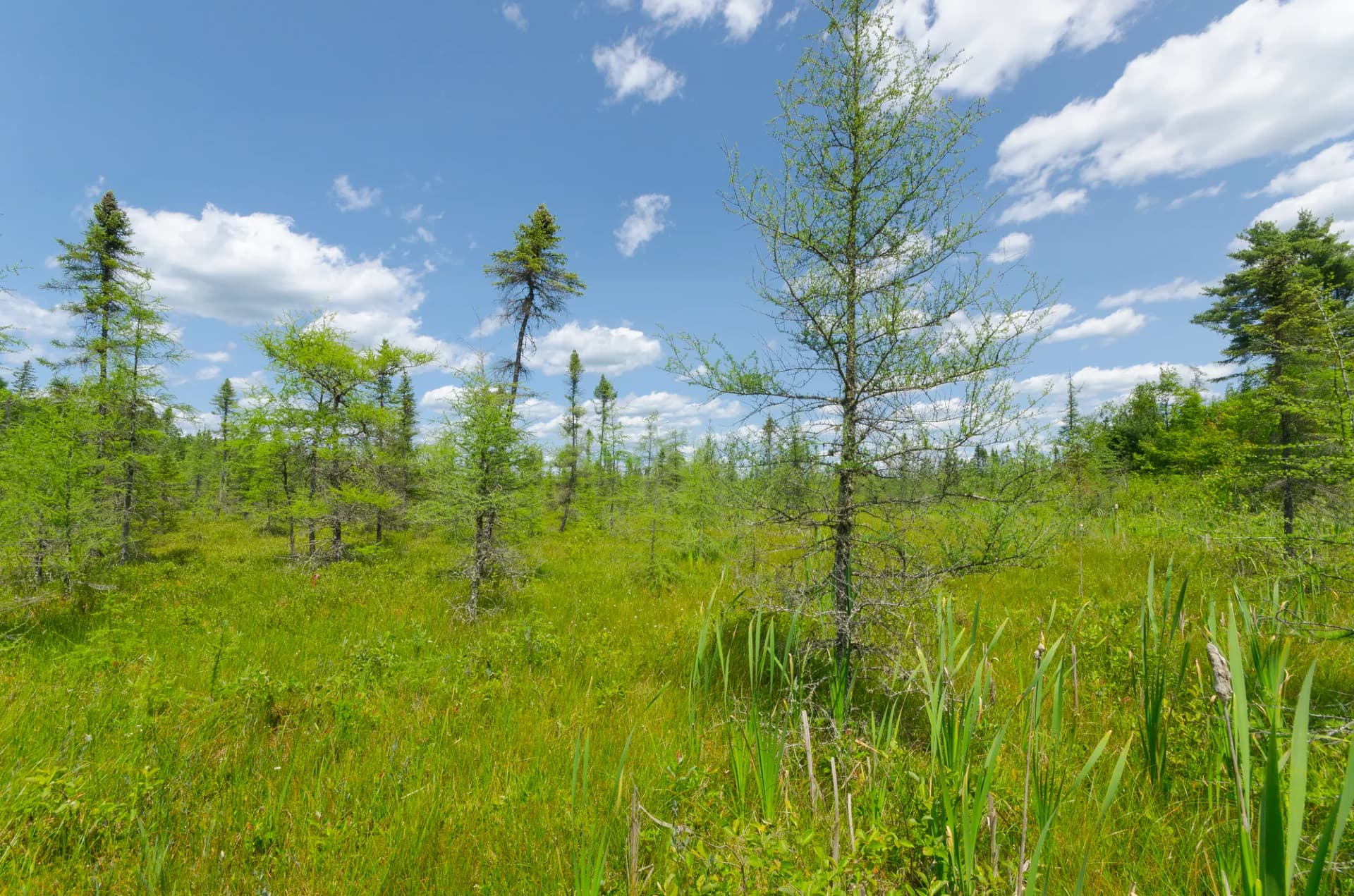
Exploring Hoosier National Forest
Hoosier National Forest covers 204,000 acres of southern Indiana's hill country: a landscape that surprises nearly every visitor who expects the flat, agricultural Indiana of the imagination. The southern quarter of the state sits on a dissected plateau of sandstone, limestone, and shale carved by thousands of years of stream erosion into a genuinely hilly, forested terrain where ridges rise 700 to 800 feet above valley floors. The forest was established in 1951 from worn-out farm and pasture land, and its mix of maturing oak-hickory forest, clear streams, and limestone canyon features makes it the most dramatically scenic terrain in Indiana.
The forest is split into two main units: the Monroe County/Lawrence County unit in the north-central section (near Bedford and Bloomington), and the Perry County and Crawford County unit in the south. Each unit has its own character. The northern unit contains the Hemlock Cliffs canyon, Pioneer Mothers Memorial Forest, and Lake Monroe access. The southern unit holds the bulk of the wilderness areas and the rugged Knobstone Trail corridor.
Why Hoosier National Forest Stands Out
Hemlock Cliffs
Hemlock Cliffs is the signature feature of the Hoosier and the most visited site in the forest. The trail descends into a sandstone box canyon where a seasonal waterfall drops 60 feet over an overhanging rim into a pool below. Eastern hemlocks line the canyon walls: a tree found here at its westernmost natural limit in the state. The overhang section of the canyon is large enough to walk under during dry season, and the canyon microclimate is noticeably cooler and more humid than the surrounding upland forest.
Knobstone Escarpment and the Knobstone Trail
The Knobstone Escarpment is a northeast-trending ridge system in the eastern Hoosier that gives Indiana its most topographically rugged terrain. The Knobstone Trail runs 35 miles along and across the escarpment, with elevation changes that would not be out of place in the Appalachians. The trail has sustained climbs of 400 to 600 feet on a tread that drops to single-track switchbacks on the steeper slopes. For backpackers seeking a challenging Indiana outing, the Knobstone is the go-to route.
Pioneer Mothers Memorial Forest
The Pioneer Mothers Memorial Forest is a 96-acre old-growth white oak stand that somehow escaped the 19th-century logging that stripped most of southern Indiana. The largest trees here are 300 to 400 years old, with trunk diameters exceeding 4 feet. The forest floor has the multilayered canopy and deep humus of a genuinely ancient woodland. It is one of the most significant old-growth remnants in the eastern Midwest and one of the most ecologically important places in Indiana.
Best Trails
Hoosier's 260 miles of trail include everything from short canyon loops to multi-day backpacking.
The Hemlock Cliffs Trail is a 2.7-mile loop descending into the signature sandstone canyon, passing the 60-foot seasonal waterfall and hemlock-lined alcoves. The most popular trail in the forest.
The Knobstone Trail North Section covers 9 miles through the northern portion of the Knobstone Escarpment with significant climbing and ridge views. Part of Indiana's premier backpacking route.
The Pioneer Mothers Memorial Forest Loop is a 1.5-mile circuit through the old-growth white oak stand: the most ecologically significant walk in the forest.
The German Ridge Trail loops 5.8 miles through the southern unit's German Ridge Recreation Area, passing a small lake and mixed hardwood forest popular with hunters and wildlife watchers.
The Mogan Ridge Loop is a 7.4-mile circuit through the Perry County wilderness unit, the wildest section of the Hoosier with creek crossings and ridge traverse.
The Hickory Ridge Trail covers a 4.0-mile out-and-back through a dry oak-hickory ridge with winter views and good wildflower diversity in spring.
The Lick Fork Lake Trail circles Lick Fork Lake in the southern unit on a 3.2-mile loop, providing an easy lake walk with swimming access popular in summer.
The Hardin Ridge Trail is a 4.8-mile loop through the Lake Monroe Hardin Ridge Recreation Area, combining forest trail with Monroe Lake shoreline access.
Permits and Passes
Day hiking and dispersed camping on Hoosier National Forest require no permits and no fees (as of 2026). The wilderness areas: Deam Wilderness, Charles C. Deam Wilderness, and Indian-Celina: permit dispersed camping without registration.
Developed campgrounds charge $12 to $20 per night (as of 2026) and most are reservable through Recreation.gov for summer weekends. The America the Beautiful Annual Pass covers day-use fees at developed recreation areas including Hardin Ridge. Veterans and active-duty military qualify for free annual passes: see our veteran benefits guide for complete details.
Camping
Hardin Ridge Recreation Area is the forest's largest developed campground, with 200 sites on the north shore of Lake Monroe. The campground is popular with families in summer and fills on July 4 weekend and Labor Day weekend. Reservations strongly recommended. Open April through October (as of 2026).
Celina Lake Campground offers 56 sites near the small Lake Celina in the southern unit. A quieter alternative to Hardin Ridge, popular with anglers. Open April through October (as of 2026).
German Ridge Campground is a primitive 15-site campground in the southern unit with vault toilets and no water. First-come, first-served, $12/night (as of 2026). Open April through November (as of 2026).
When to Visit
April through June is the best season for wildflowers, which carpet the forest floor with trillium, bloodroot, Virginia bluebells, and fire pink. Spring also brings the highest creek water flow and the most dramatic seasonal waterfall at Hemlock Cliffs.
October brings outstanding fall color. The oak-hickory forest turns gold and rust through mid-October. Hunting activity begins in November: blaze orange recommended.
July and August are hot and humid in southern Indiana. Lake Monroe recreation (swimming, fishing, boating) is most popular in these months. Trails are shadier and cooler than the surrounding agricultural landscape.
Winter keeps the forest accessible for day hiking. Hemlock Cliffs can develop ice formations similar to the UP's Eben Ice Caves in cold winters. Snow is occasional rather than reliable.
Getting There
From Bedford: Bedford is the closest city to the northern forest unit, about 12 miles from the Hemlock Cliffs trailhead on IN-37. Bedford is in the heart of the Indiana limestone belt and the county seat of Lawrence County.
From Bloomington: Bloomington is home to Indiana University and is 25 miles north of the Bedford gateway on IN-37. The Lake Monroe access at Hardin Ridge is about 12 miles south of Bloomington.
From Louisville: Louisville, Kentucky, is the largest nearby city and is 75 miles south on I-65. Hikers from Louisville often access the southern Hoosier unit (Perry County) more conveniently than the northern unit.
Practical Tips
Black bears have occasionally been reported in the Hoosier as populations in neighboring Kentucky and Tennessee expand northward. Follow standard food storage precautions when camping in the wilderness areas. See our guide on bear canister requirements for food storage recommendations.
Ticks are active from early spring through late fall throughout southern Indiana: check carefully after any time in the forest, particularly after brushy or tall-grass sections. Deer flies and mosquitoes peak in June and July near creek bottoms and lake edges.
Check current conditions before visiting, particularly for creek levels after heavy rain and trail closures in the wilderness areas. Our guide to checking conditions before you go covers the key USFS resources. Practice Leave No Trace principles throughout your visit, especially in the old-growth sections where soil compaction can harm root systems.