The Rocky Mountain Front and the Little Belts
Lewis and Clark National Forest covers approximately 1,860,000 acres of central Montana terrain anchored by two very different landscapes: the Rocky Mountain Front Range, where the Rockies rise abruptly from the High Plains, and the Little Belt Mountains, a limestone uplift rising from the agricultural flatlands of central Montana. Together they form the Lewis and Clark section of the combined Helena-Lewis and Clark National Forest, sharing a supervisor's office in Helena with the Helena section to the south.
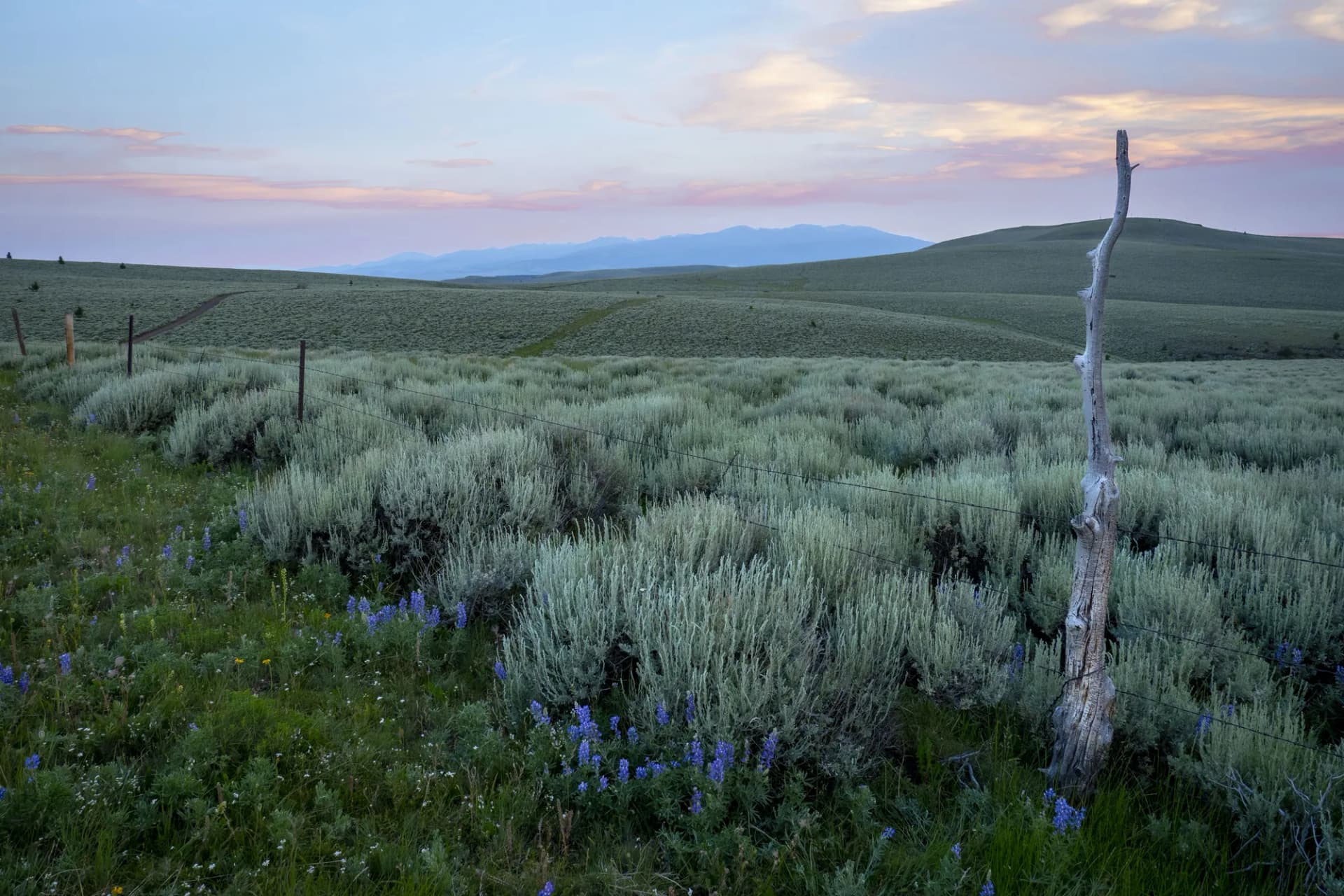
The Rocky Mountain Front is the forest's most dramatic and ecologically significant terrain. Here, along a narrow band from Browning south through Choteau and Augusta, the mountains rise thousands of feet within a few horizontal miles from the open Great Plains. Grizzly bears move freely between the mountains and the adjacent private ranchlands. Elk winter on the prairie and summer on the high slopes. This interface between the Rocky Mountain ecosystem and the Great Plains grasslands is one of the most biodiverse and ecologically intact landscapes in the contiguous United States, and the Forest Service manages much of the mountain side of that boundary.
Bob Marshall Wilderness Gateway
The western edge of the Lewis and Clark section borders the Bob Marshall Wilderness, one of the largest and most celebrated wilderness areas in the lower 48. The Bob Marshall complex (including the adjacent Scapegoat and Great Bear Wilderness areas) covers approximately 1.5 million acres and represents one of the finest remaining examples of a complete Rocky Mountain ecosystem. The Lewis and Clark section provides eastern approaches to the Bob via trails that descend from the Front Range into the wilderness interior.
Little Belt Mountains
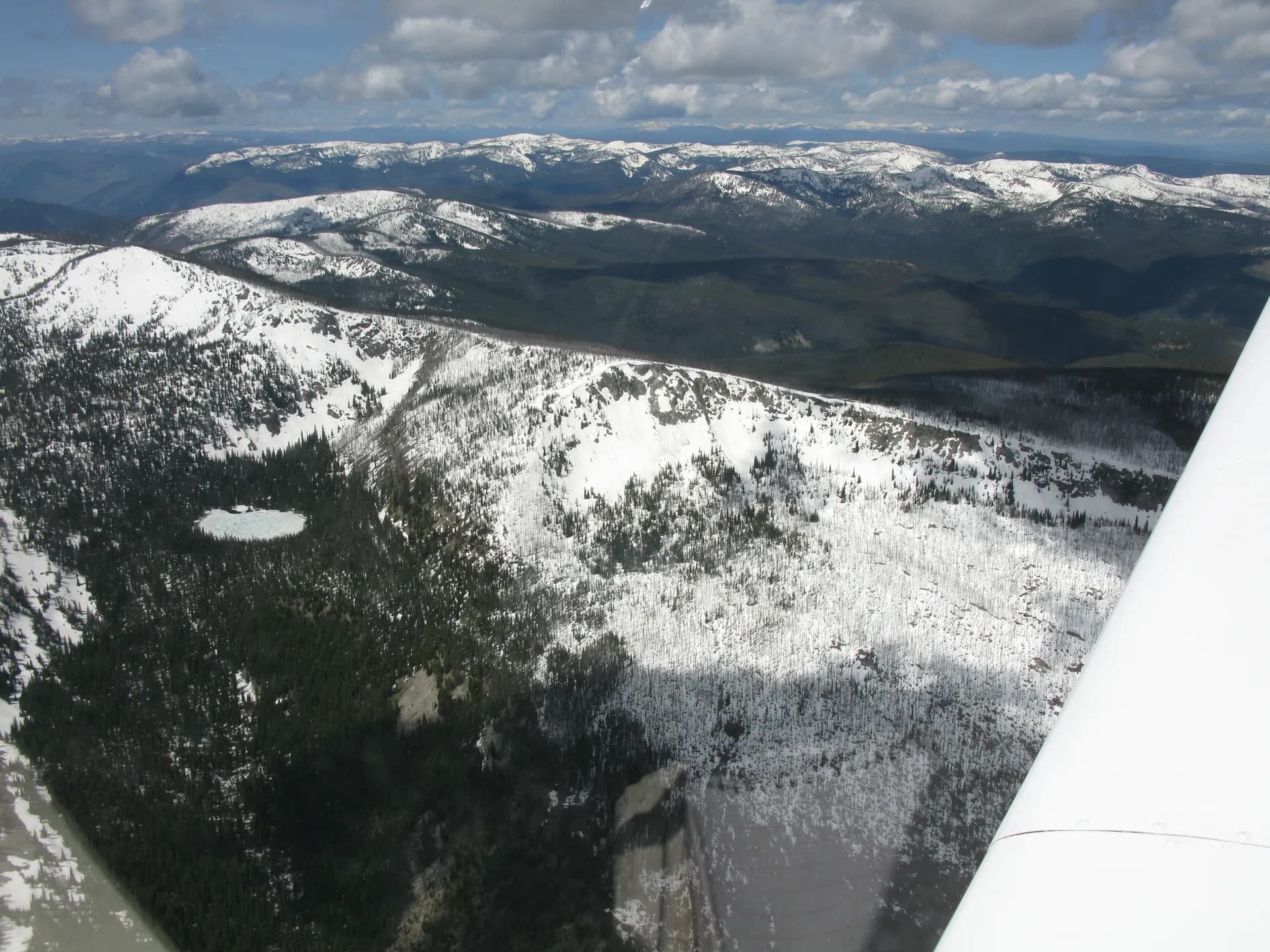
The Little Belt Mountains section is a separate unit of the Lewis and Clark Forest, sitting east of Helena and roughly 40 miles south of Great Falls. US-89 (Kings Hill Scenic Byway) crosses the range at Kings Hill Pass (7,393 feet), providing excellent access to hiking, camping, and fishing throughout the Little Belts. The Tenderfoot Creek Experimental Forest, a research corridor used by Montana State University and USFS scientists, sits within this section and contains some of the best-documented old-growth ponderosa pine stands in central Montana.
Smith River
The Smith River flows through a 59-mile limestone canyon between Camp Baker and Eden Bridge, entirely within or adjacent to the Lewis and Clark Forest. This remote float is accessible only by raft or kayak during peak season, and a permit lottery restricts access to preserve the wilderness character of the corridor. The canyon walls rise 1,000 feet above the river in places, and the trip takes four to seven days. For those who secure a permit, the Smith River is one of the finest multi-day river journeys in Montana.
Best Trails
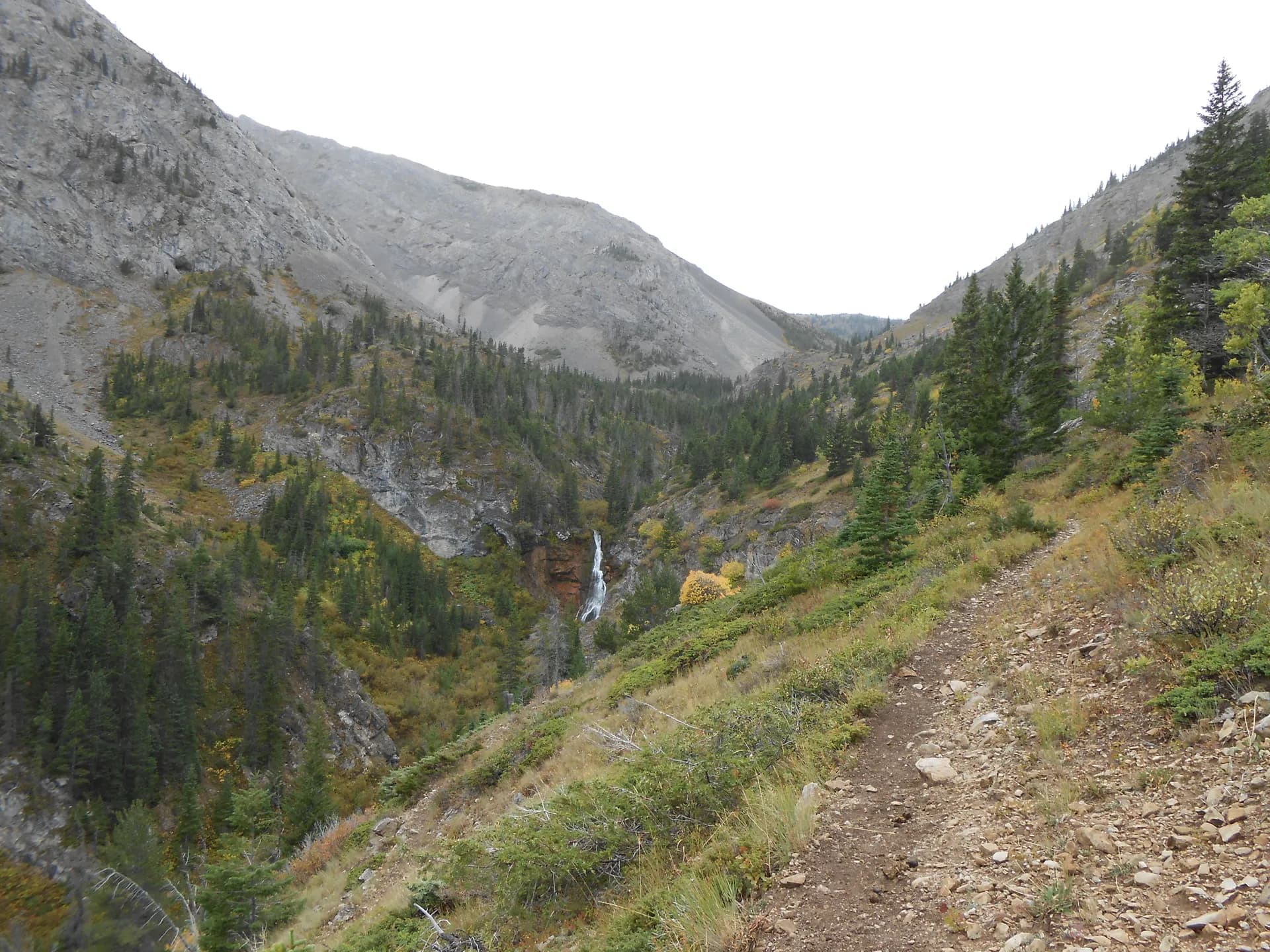
Rocky Mountain Front Trail (15.0 miles, out-and-back) traverses the eastern face of the Front Range above Augusta, following ridges with views east across the Great Plains and west into the Bob Marshall Wilderness. Grizzly bear country throughout.
Kings Hill Trail (8.0 miles, out-and-back) climbs from the highway to views across the Little Belt Mountains, passing through lodgepole pine and open meadows with good wildflower displays in July.
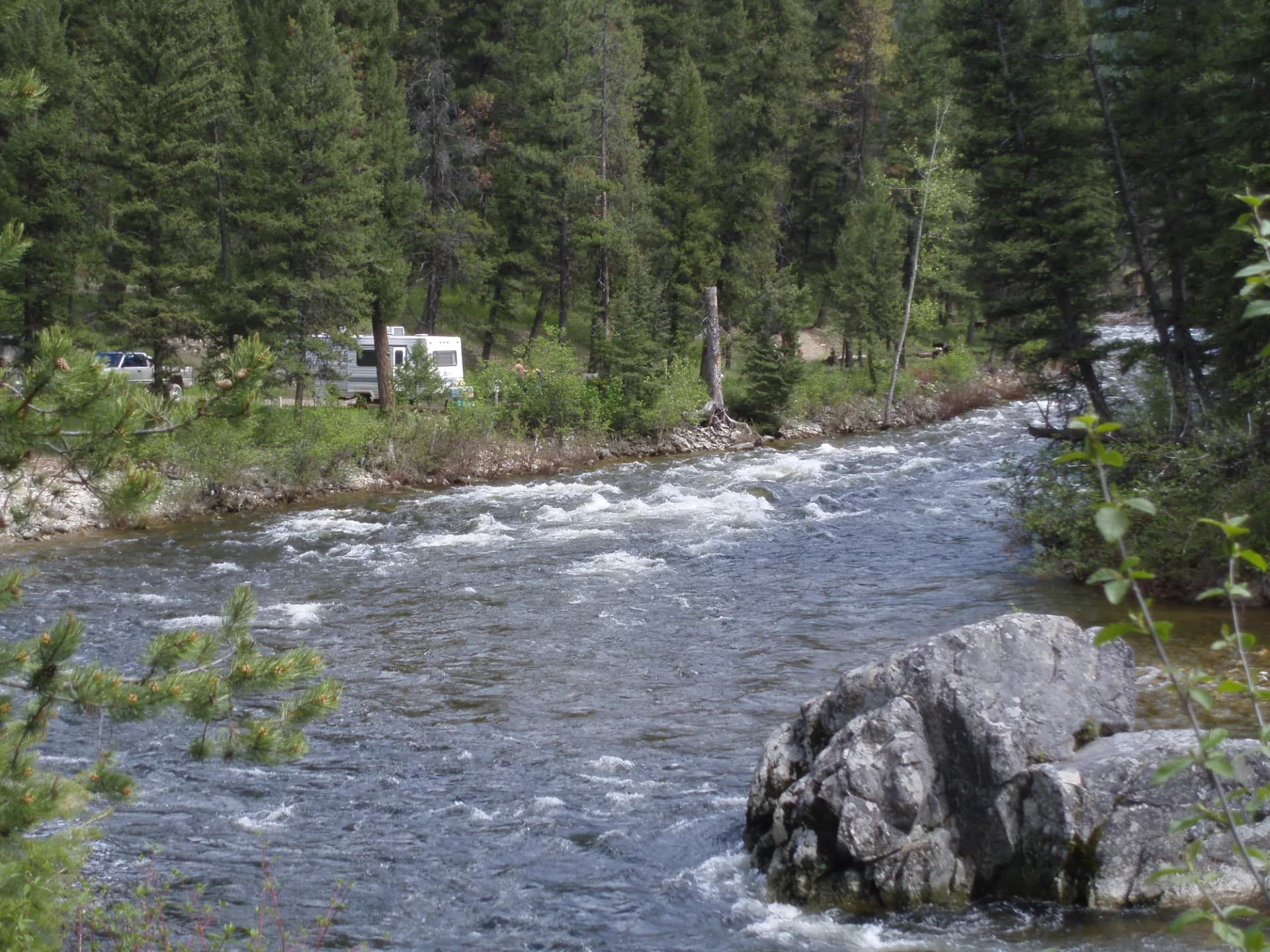
Tenderfoot Creek Trail (12.0 miles, out-and-back) explores the research forest corridor along Tenderfoot Creek, passing through documented old-growth ponderosa pine stands and following a clear-water creek excellent for fishing.
Meagher Ridge Trail (10.0 miles, out-and-back) climbs to a high ridge in the Little Belt section with panoramic views across central Montana's agricultural valleys and the surrounding mountain ranges.
Smith River Access Trail (6.0 miles, out-and-back) provides a hiking approach to Smith River canyon viewpoints for visitors without a float permit, offering canyon rim views of this remarkable limestone gorge.
Highwood Mountains Trail (9.0 miles, out-and-back) accesses the Highwood Mountains, a small isolated range northeast of Great Falls that represents a detached portion of the Lewis and Clark Forest with good wildlife viewing and limited visitors.
Permits and Passes
Day hiking and dispersed camping require no permit in Lewis and Clark National Forest (as of 2026). The Smith River float requires a lottery permit (approximately $15/person as of 2026). Developed campground fees apply at maintained sites.
Bear spray is strongly recommended for all travel in the Rocky Mountain Front section, where grizzly bears are an active presence. Review guidance from checking conditions before you go before any Front Range visit. Veterans and permanently disabled individuals may qualify for federal discount passes.
Camping
Kings Hill Campground and Many Pines Campground along the Kings Hill Scenic Byway are the primary developed options in the Little Belt section. Primitive and dispersed camping is widely available throughout both sections of the forest along forest roads.
When to Visit
June through October is the primary hiking season. The Little Belt Mountains are accessible from late May after snowmelt. The Rocky Mountain Front is accessible year-round on lower terrain, but high trails require July or later. October brings excellent elk rut viewing along the Front.
Practice Leave No Trace principles throughout, and give wildlife the space they require, particularly along the Rocky Mountain Front where grizzlies and large ungulates frequently cross the landscape.
Getting There
From Great Falls, take US-89 south approximately 35 miles to the Kings Hill section of the Little Belts. For Rocky Mountain Front trailheads near Augusta, take US-287 south from I-15 at Wolf Creek, then west to Augusta. Most Front Range trailheads are accessed via paved county roads and gravel forest roads.