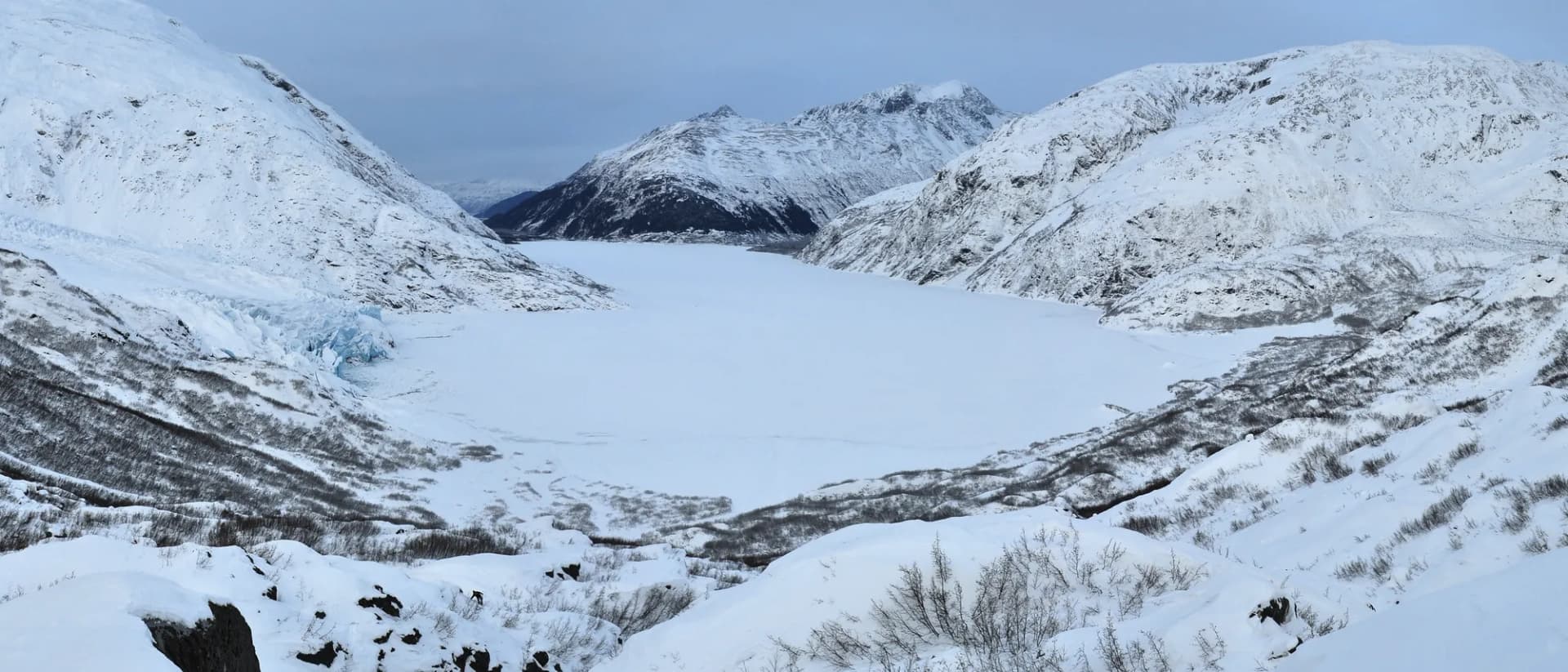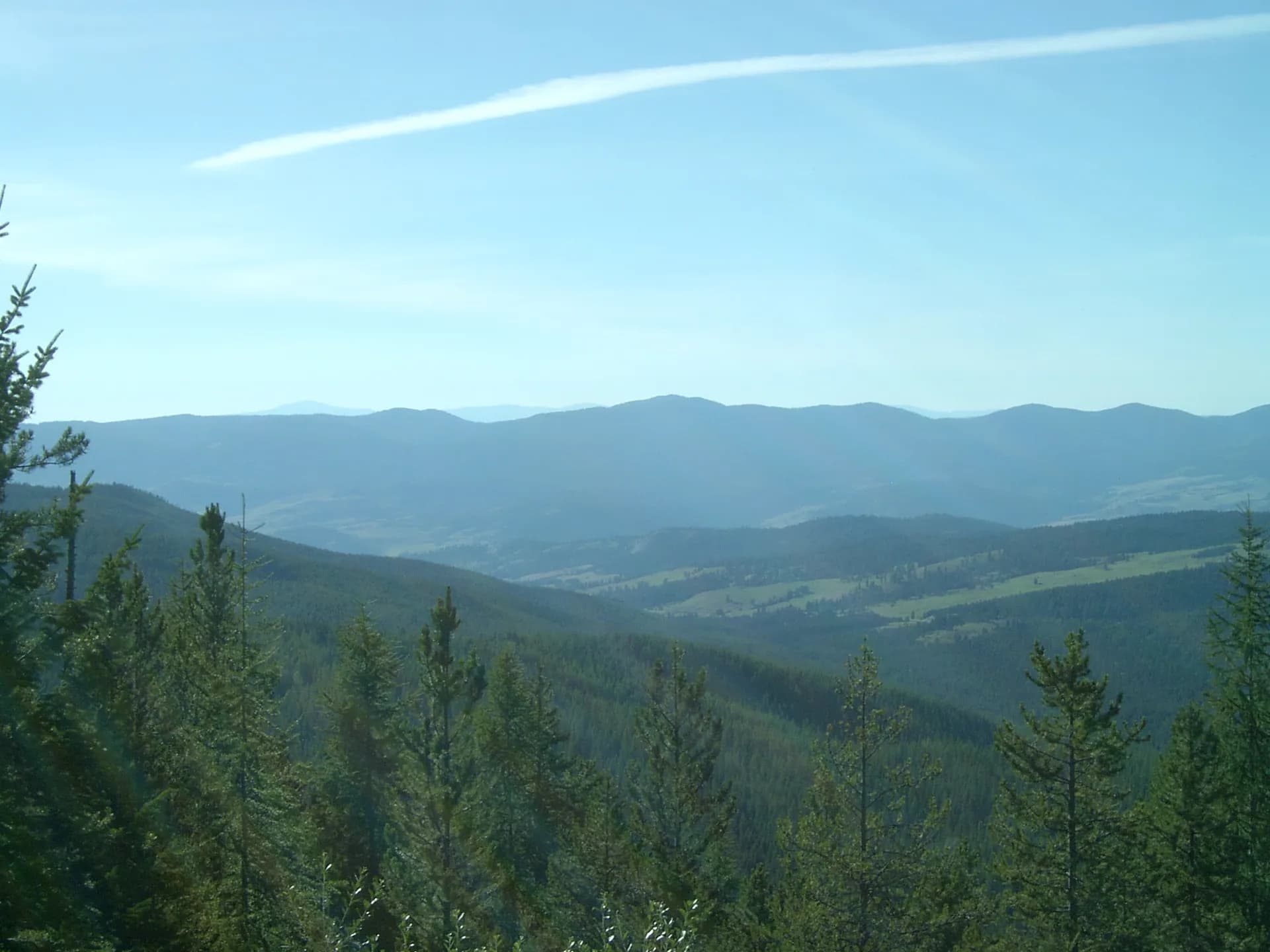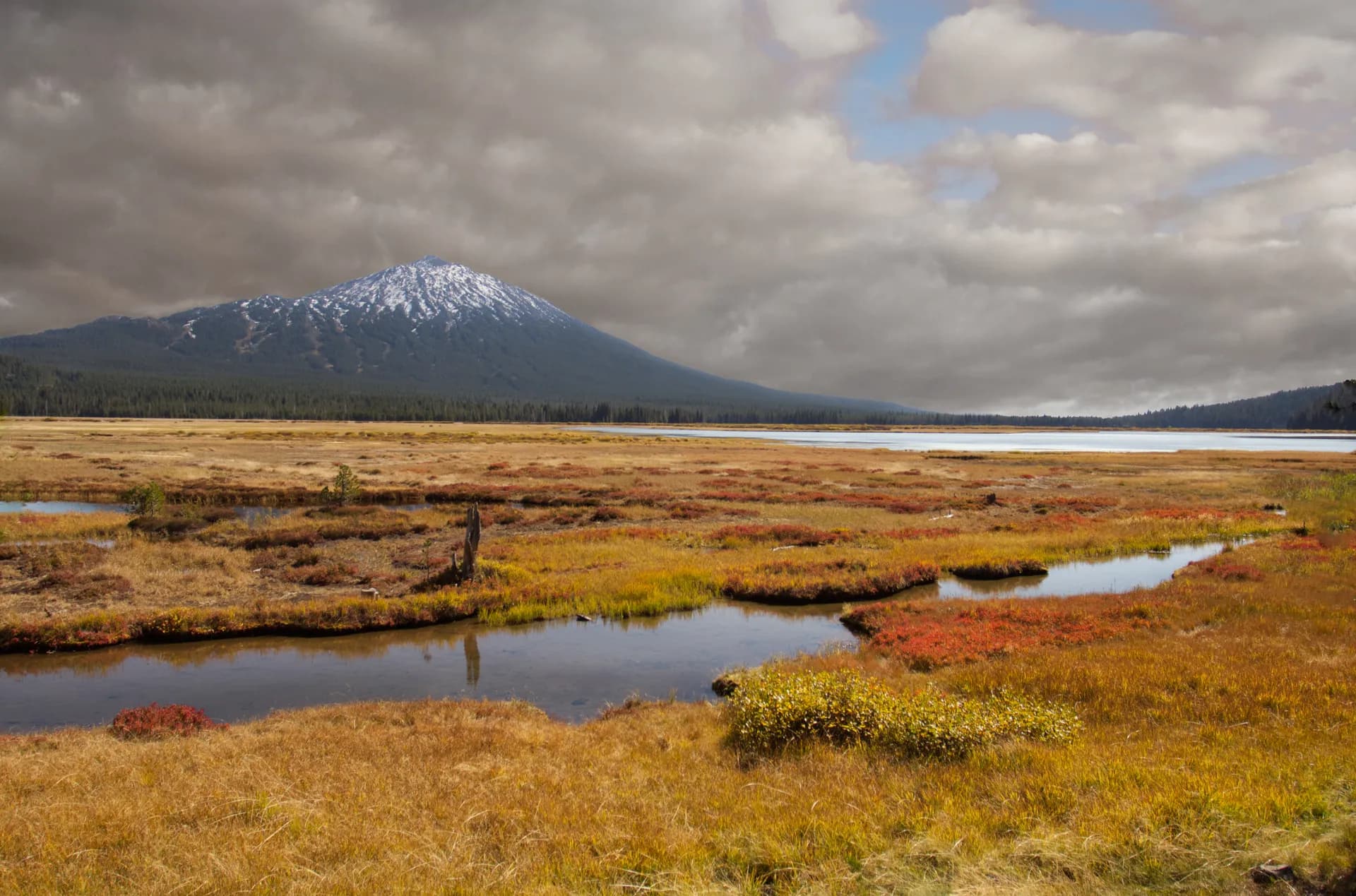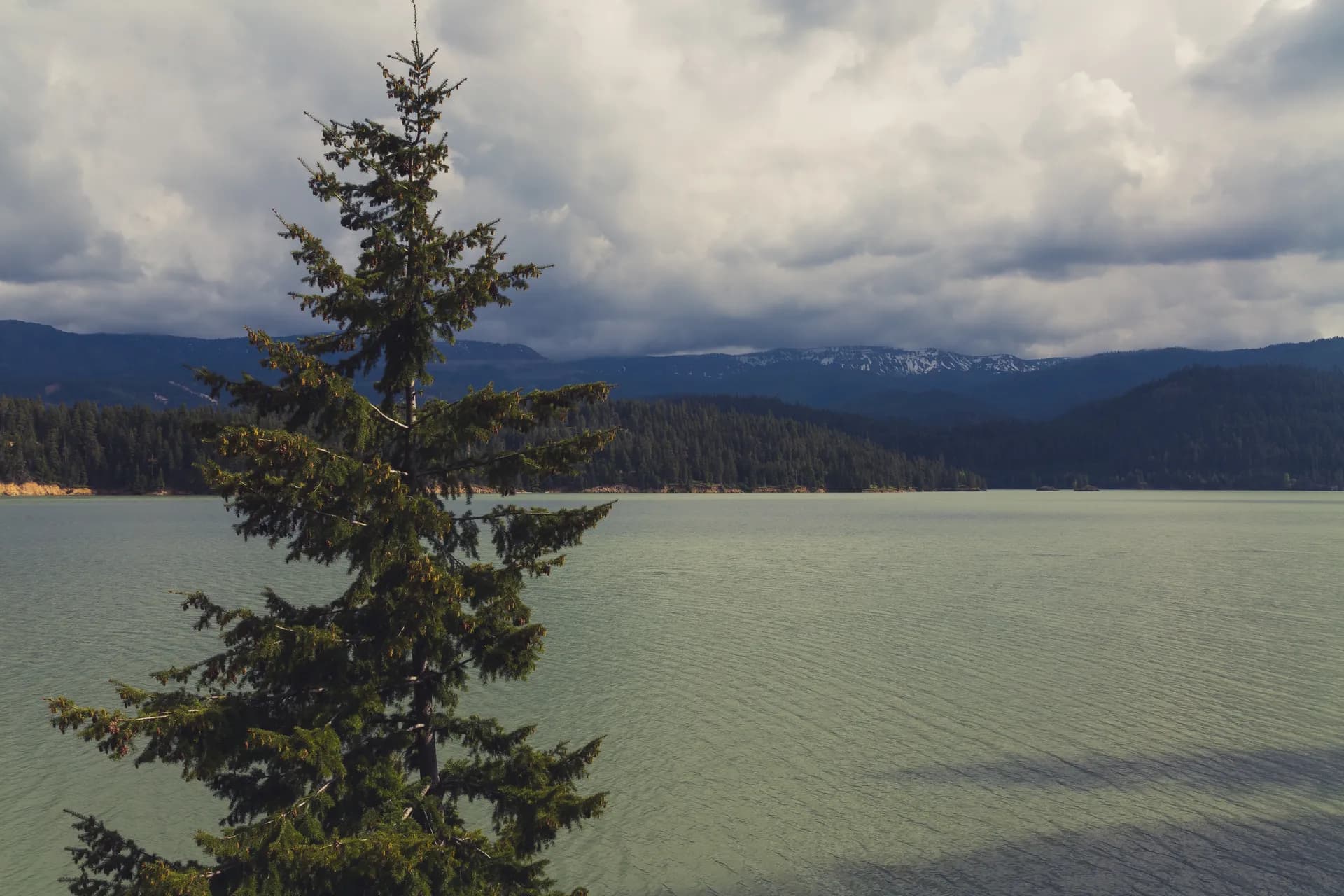
Snoqualmie National Forest covers roughly 1.68 million acres of the central Washington Cascades, stretching from Snoqualmie Pass north to Stevens Pass and east across the Cascade crest. Administered as part of the combined Mt. Baker-Snoqualmie National Forest, the Snoqualmie section is the most-visited national forest terrain in Washington State, sitting within an hour of Seattle and providing the primary alpine recreation outlet for the Puget Sound metropolitan area.
The forest's defining feature is the Alpine Lakes Wilderness, a 394,000-acre wilderness area containing more than 700 lakes and tarns in a landscape of granite peaks, glacially carved cirques, and subalpine meadows. Within this wilderness lies the Enchantments, an above-treeline lake basin that is arguably the most sought-after overnight hiking permit in the Pacific Northwest.
Trails
Snow Lake is the most accessible alpine lake in the forest, reached by the Snow Lake Trail from Snoqualmie Pass in 8 miles round-trip with 1,800 feet of gain. The trail passes through mature forest before emerging into open glacier-carved terrain above the lake. It is popular enough that trailhead parking fills early on summer weekends.
Mount Si is the most-hiked trail in Washington, an 8-mile out-and-back gaining 3,200 feet from the lowlands near North Bend to a summit plateau with views across the Puget Sound basin and to the Cascades in every direction. The trail is accessible from late spring through fall and draws year-round visitors on lower sections.
For easier options, Twin Falls covers 2.6 miles through old-growth forest to a series of waterfalls on the South Fork Snoqualmie River, one of the best short hikes in the forest. Little Si provides a moderate alternative to the main Mount Si trail, gaining 1,200 feet in 5 miles with comparable forest character.
The Granite Mountain Trail is one of the finest viewpoint hikes near Snoqualmie Pass, reaching an old lookout site with 360-degree Cascade views after 8.6 miles round-trip and 3,800 feet of gain.
Wildlife
Black bears are common throughout the forest and are regularly reported on popular trails including Snow Lake and the Snoqualmie Pass area. Mountain goats inhabit the rocky terrain of the Alpine Lakes Wilderness high country. Mule deer and black-tailed deer are widespread. The Carbon River and Clearwater drainages in the south support coho and chinook salmon runs. Spotted owls and marbled murrelets have been documented in old-growth stands in the Clearwater Wilderness. Follow current USFS guidance for wildlife encounters, and store food properly in all backcountry settings.
Getting There
From Seattle, take I-90 east approximately 35 miles to North Bend (Exit 31 or 32). For Snoqualmie Pass trailheads including Snow Lake and Granite Mountain, continue east on I-90 to Exit 52 (Snoqualmie Pass). For Mount Si, take Exit 32 from I-90 and follow Mount Si Road northeast approximately 3 miles to the trailhead. From Enumclaw (south gateway), take SR-410 north to connect with forest roads into the Norse Peak and William O. Douglas Wilderness areas.
Seasons
Summer (July through September): Peak season. High-country routes open progressively through July. Trailheads near Snoqualmie Pass draw large crowds on summer weekends; arrive before 8 AM for parking. Afternoon showers are common in August and September.
Fall (October through November): Excellent hiking with fewer people. Fall color in the vine maple and cottonwood begins in September. Some high-country routes can receive early snow in October.
Winter: Snoqualmie Pass has four downhill ski areas. Cross-country skiing and snowshoeing are popular from December through March on lower forest trails. Some forest roads close seasonally.
Spring (April through June): Lower trails accessible from April. High-country snow persists through June most years. Waterfall trails like Twin Falls are exceptional in May and early June.
Nearby
North Bend (population around 7,000) is the primary gateway for the I-90 corridor trails, with restaurants, a grocery store, and lodging. Snoqualmie Pass itself has ski area lodges and limited services at the pass. Cle Elum, on the east side of the Cascades about 20 miles east of the pass, is a small town with full services and serves as a base for east-side forest access. For permit guidance, see our national forest camping permit guide. Review Leave No Trace principles before any backcountry trip in this heavily used wilderness.
Planning and Resources
The Northwest Forest Pass ($5/day or $30/year as of 2026) is required at most developed trailheads in the Snoqualmie section of the combined Mt. Baker-Snoqualmie unit. America the Beautiful passes substitute for the Northwest Forest Pass. Veterans and permanently disabled individuals may qualify for federal discount passes. The Snoqualmie Ranger District office in North Bend is the primary contact for trail conditions, closures, and permit information. Weekend trailhead parking at I-90 corridor trailheads (Mount Si, Little Si, Twin Falls) fills extremely early; arrival by 7-8 AM is advisable on summer weekends. Wildfire is less common in the wetter west-slope Cascades but does occur; check InciWeb for any active situations before visiting. The 10 Essentials and checking conditions resources are practical references for any outing in this high-use forest.