ForestMatters, LLC

St. Joe National Forest

Idaho · 5 min read

State: Idaho
Acres: 866,000
Established: 1907
Best Season: June through October
Trail Miles: 450 mi
Wilderness Areas: 1
Google MapsApple Maps
hikingbackpackingcampingfishinghuntingkayakingwildlife-viewingphotography

At a Glance

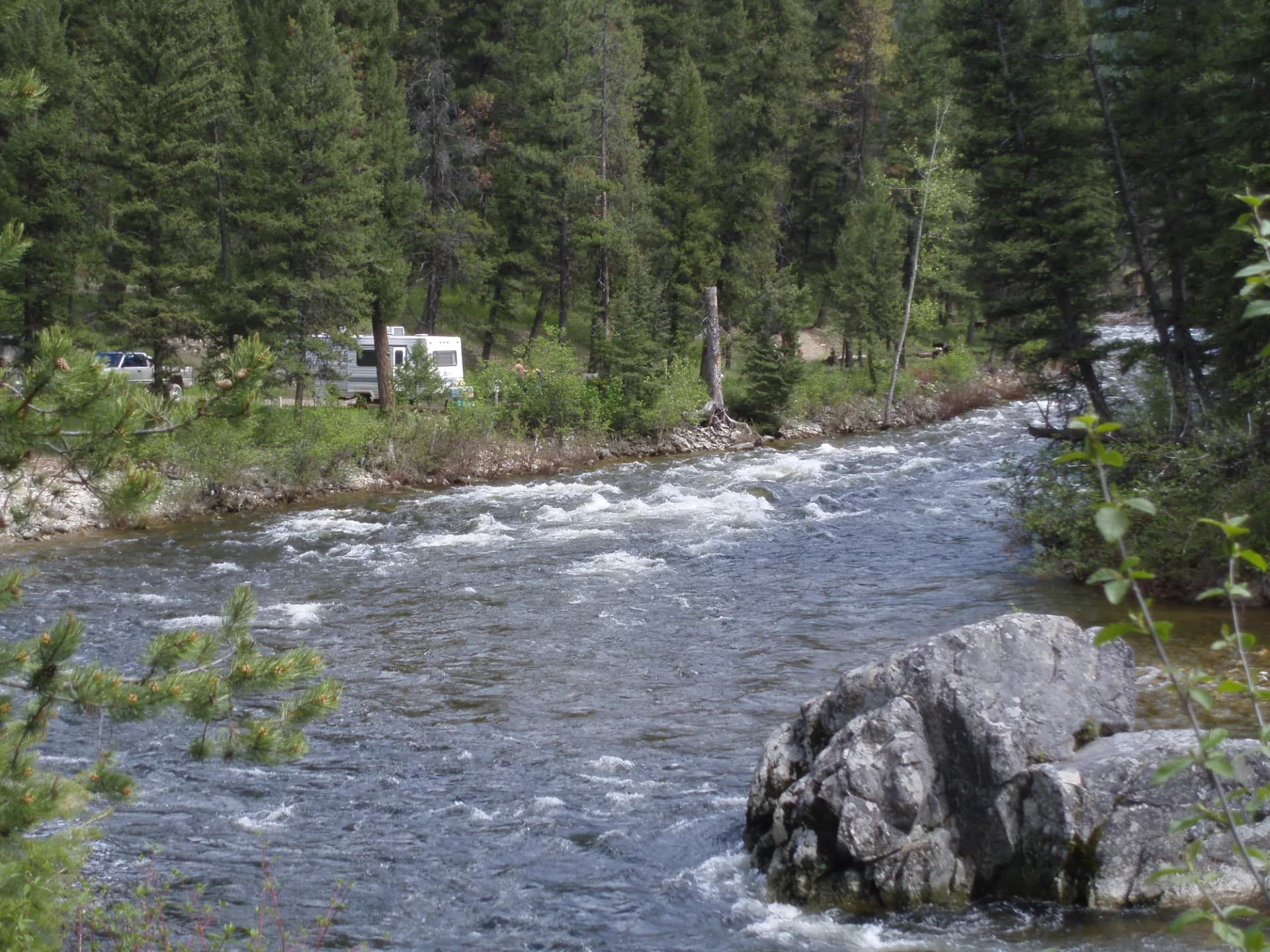
  • Wild and Scenic St. Joe River, the highest navigable river in the world
  • Huckleberry Mountains with exceptional late-summer huckleberry picking
  • St. Joe Wilderness protecting the upper river headwaters
  • Remote backcountry terrain far from major highways
  • Emerald Creek garnet mining area, open to recreational prospecting
  • Excellent steelhead and cutthroat trout fishing on the St. Joe River

Permits & Passes

Day Hiking and Dispersed CampingOptional

Free (as of 2026)

Emerald Creek Garnet Mining Day UseRequired

$10/person (as of 2026)

Details

Federal Discount Passes

  • Military Annual PassFree — active duty & veterans
  • Senior Pass$20 lifetime — ages 62+
  • Access PassFree lifetime — permanent disability
Learn more →

St. Joe National Forest protects approximately 866,000 acres of the St. Joe River watershed in the southern Idaho Panhandle, one of the more remote corners of the northern Rocky Mountain national forest system. The forest is administered as part of the Idaho Panhandle National Forests combined unit, sharing management with the Coeur d'Alene and Kaniksu sections. What distinguishes the St. Joe section is its eponymous river: the Wild and Scenic St. Joe, locally known as the "Shadowy St. Joe" for the dense forest canopy that shades its upper canyon, and celebrated as the highest navigable river in the world.

The forest spans a substantial elevation range, from the river bottoms at around 2,000 feet through the Huckleberry Mountains and ridge terrain above 6,000 feet. This range produces diverse habitat and a range of recreation opportunities across the calendar.

Trails

The St. Joe River Trail follows the Wild and Scenic reach of the river through forest and canyon terrain, covering 12 miles of riverside travel accessible from multiple trailheads. The river corridor provides outstanding fishing access and scenery through old-growth cedar and white pine forest that survived the 1910 wildfire that burned much of the surrounding region.

The Huckleberry Trail climbs through the Huckleberry Mountains to ridge-top terrain with views across the Idaho Panhandle, passing through the berry fields that give the range its name. Late July and August hiking here often includes the bonus of ripe huckleberries along the trail.

Marble Mountain offers a strenuous 9-mile round-trip to a summit with panoramic views across the St. Joe drainage and into the Bitterroot Range to the east. Gold Center Lakes is a longer route reaching alpine lake terrain in the upper watershed, a good multi-day backpacking destination in the St. Joe Wilderness.

The Emerald Creek Trail provides access to the garnet area and continues upstream through cedar and hemlock forest, a pleasant 4-mile walk accessible to most visitors.

Wildlife

The St. Joe watershed supports a healthy population of Rocky Mountain elk, with the Huckleberry Mountains area holding significant numbers. Black bears are common throughout the forest, particularly in the huckleberry areas in August. White-tailed deer and mule deer both occur, with white-tails more common in the lower river corridor. Steelhead salmon return to the St. Joe River from the ocean via the Columbia and Snake Rivers, with runs in fall and spring supporting both sport fishing and the wider ecosystem food chain. Gray wolves were reintroduced to the Northern Rockies in the 1990s and have been documented in the Idaho Panhandle forests; follow current USFS guidance regarding wolf encounters. Osprey and bald eagles nest along the St. Joe River corridor.

Getting There

From Coeur d'Alene, take I-90 east to the St. Maries exit and head south on US-3 approximately 25 miles to St. Maries. For the upper St. Joe River corridor, continue east from St. Maries on the St. Joe River Road (Forest Route 50) along the river, approximately 50 miles to Avery. From Moscow, take US-95 north to St. Maries Road or connect via US-8 east and US-3 north. Roads are paved to St. Maries and primarily gravel and dirt beyond, with some requiring high-clearance vehicles. Check road conditions with the St. Maries Ranger District before any extended forest road driving.

Seasons

Summer (June through September): The primary hiking and camping season. Huckleberry picking peaks in late July and August at higher elevations. The river corridor is accessible and fishable throughout the summer.

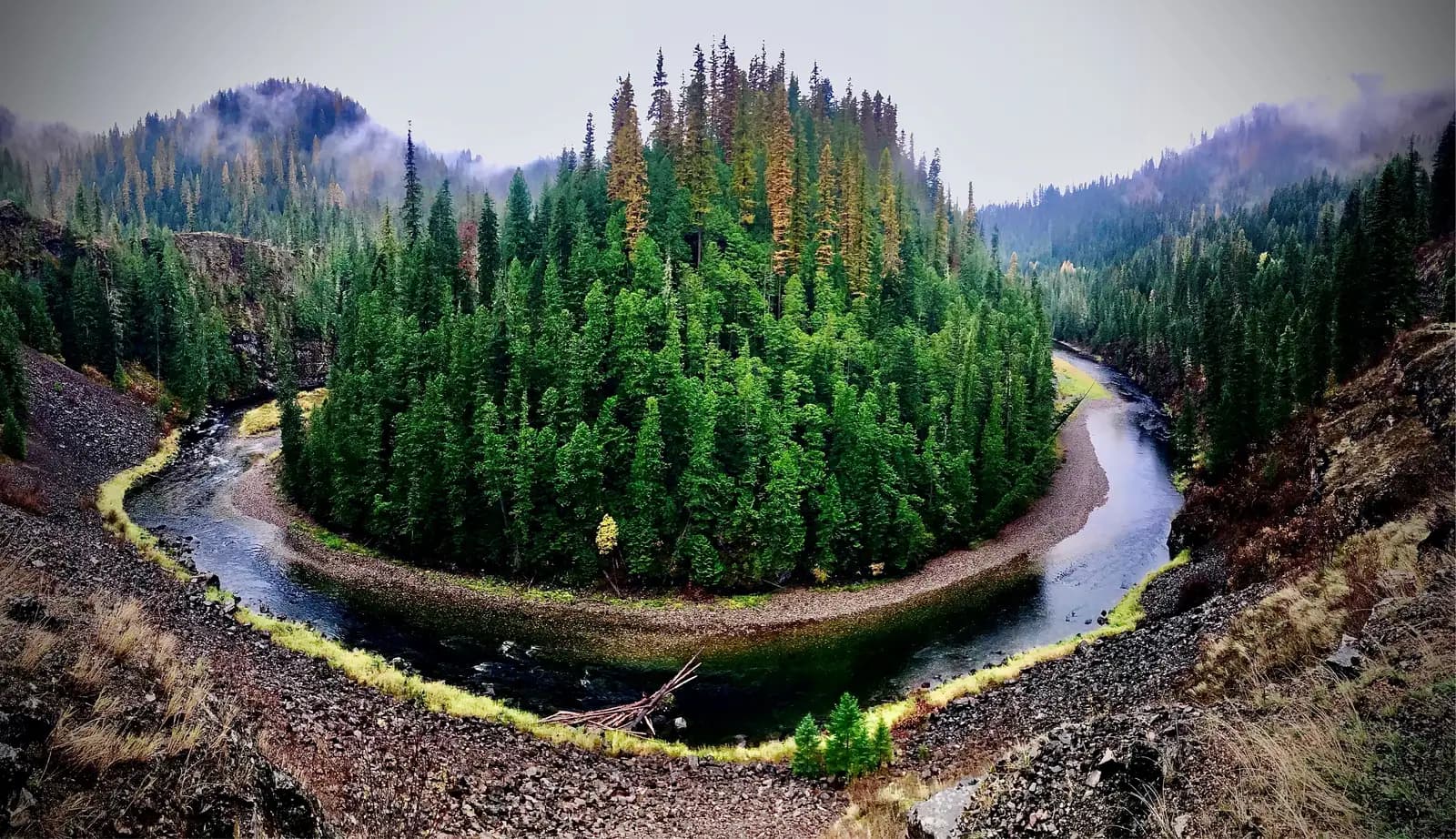
Fall (October): Hunting season is the most active period for the forest. Elk hunting draws visitors from across the region in October. Fall color in the western larch, which turns gold and drops its needles in October, is a distinctive and beautiful feature of the Idaho Panhandle forests.

Winter: Snow at upper elevations from November through March. Some forest roads close seasonally. The lower river road remains accessible most winters.

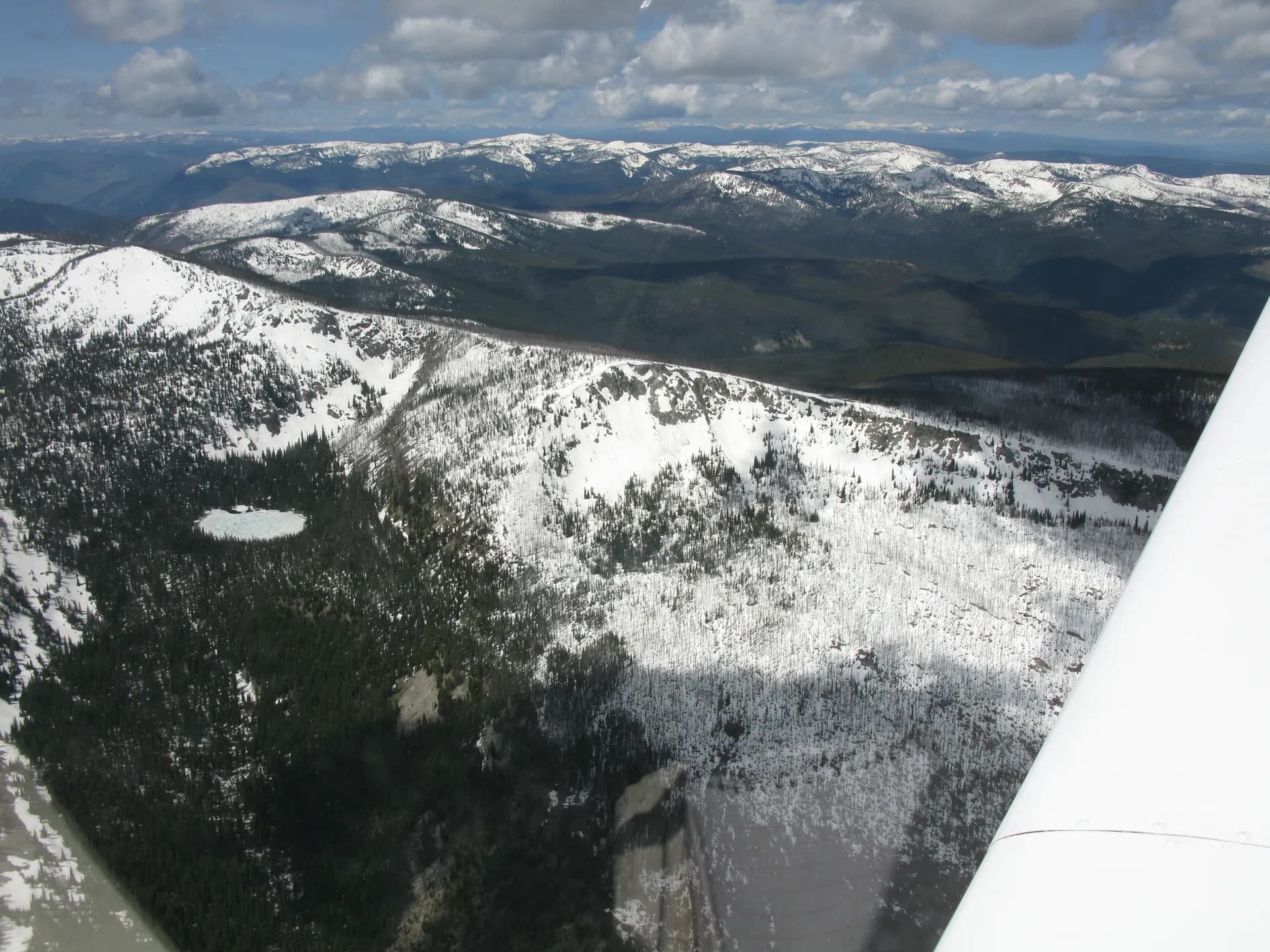
Spring (April through May): Snowmelt creates high water conditions on the river. Lower-elevation trails are accessible by late April. Higher terrain remains snowbound into June.

Nearby

St. Maries (population around 2,500) is the primary gateway, with basic services including lodging, a grocery store, and restaurants. The town sits at the confluence of the St. Joe and St. Maries Rivers and has a small historic downtown. Coeur d'Alene, 50 miles to the north, is a resort city on the lake of the same name and provides full metropolitan services. The Silver Valley mining towns of Kellogg and Wallace are accessible from I-90 and offer additional dining and lodging. For fishing information, review checking conditions before you go and check with Idaho Fish and Game for current regulations and steelhead run status.

Planning and Resources

No permit is required for day hiking or dispersed camping in St. Joe National Forest (as of 2026). America the Beautiful passes cover applicable fee sites. Veterans and permanently disabled individuals may qualify for federal discount passes. The St. Maries Ranger District is the primary contact for trail conditions, road closures, and current fishing information in the lower St. Joe corridor. The Avery Ranger District handles the upper river and wilderness area. The Emerald Creek garnet area requires a small daily fee ($10/day as of 2026) and a shovel; garnets are red almandite gems found in the decomposed schist along the creek. Practice Leave No Trace principles throughout, and review the dispersed camping guide for backcountry camping rules applicable in this remote forest.
Trail Guides

moderateloop

Emerald Creek Garnet Area Trail

4.5 mi500 ft gain
May through October

Hike the Emerald Creek Garnet Area Trail in St. Joe National Forest, Idaho. This moderate 4.5-mile loop visits one of the world's most prolific star garnet deposits in a scenic creek valley.

3 min read

moderateout-and-back

Fishhook Creek Trail

5 mi1,200 ft gain
June through October

Follow the Fishhook Creek Trail through St. Joe National Forest, Idaho. This moderate 5.0-mile out-and-back hike traces a pristine mountain stream through old-growth forest and summer wildflower meadows.

3 min read

strenuousout-and-back

Gold Center Lakes Trail

7 mi2,000 ft gain
July through September

Hike to the Gold Center Lakes in St. Joe National Forest, Idaho. This strenuous 7-mile out-and-back gains 2,000 feet to alpine lakes in the Bitterroot Mountains with summer wildflowers.

3 min read

moderate-hardout-and-back

Huckleberry Trail

6.5 mi1,600 ft gain
July through October

Hike the Huckleberry Trail in St. Joe National Forest, Idaho. This moderate-hard 6.5-mile out-and-back gains 1,600 feet through the Bitterroot foothills with ridge views and summer wildflower displays.

3 min read

strenuousout-and-back

Marble Mountain Trail

5.5 mi1,800 ft gain
July through October

Summit Marble Mountain in St. Joe National Forest, Idaho. This strenuous 5.5-mile out-and-back gains 1,800 feet to a prominent rocky summit with panoramic views across the Idaho Panhandle.

3 min read

moderateout-and-back

Potlatch Creek Trail

4 mi600 ft gain
May through October

Hike the Potlatch Creek Trail in St. Joe National Forest, Idaho. This moderate 4-mile out-and-back follows a forest creek through mixed conifer habitat with good wildlife and accessible terrain.

3 min read

moderate-hardout-and-back

Red Fir Ridge Trail

6 mi1,400 ft gain
July through September

Climb the Red Fir Ridge Trail in St. Joe National Forest, Idaho. This moderate-hard 6.0-mile out-and-back ascends through subalpine forest to panoramic ridgeline views over the St. Joe River drainage.

3 min read

moderateout-and-back

St. Joe River National Recreation Trail

8 mi400 ft gain
May through October

Hike the St. Joe River National Recreation Trail in St. Joe National Forest, Idaho. This moderate 8-mile out-and-back follows the Wild and Scenic St. Joe River through old-growth cedar and pine forest.

3 min read

Campgrounds

Huckleberry Campground

33 sitesReservable$18/night (as of 2026)

Spruce Tree Campground

15 sitesFirst-come$12/night (as of 2026)

Avery Campground

26 sitesFirst-come$12/night (as of 2026)

Getting There

St. Maries
10 miles20 minutes
Coeur d'Alene
50 miles1 hour
Moscow
70 miles1 hour 20 minutes

More in the Northern Rockies

Frequently Asked Questions

Is St. Joe National Forest the same as Idaho Panhandle National Forests?
St. Joe National Forest is one of three proclaimed units forming the combined Idaho Panhandle National Forests administrative unit, along with Coeur d'Alene National Forest and Kaniksu National Forest. The three units share a supervisor's office in Coeur d'Alene. The St. Joe section covers the St. Joe River watershed in the southern Idaho Panhandle.
What makes the St. Joe River unique?
The St. Joe River is often described as the highest navigable river in the world, reaching an elevation of approximately 2,200 feet at the head of navigation near Avery. The river is designated Wild and Scenic in its upper reaches and supports excellent fishing for cutthroat trout and steelhead salmon. The river's Shoshone name is Shadowy St. Joe, a reference to the dense forest canopy shading the upper river corridor.
Can I mine for garnets at Emerald Creek?
Yes. The Emerald Creek Garnet Area is one of only two places in the world where star garnets are found, the other being India. The Forest Service allows recreational prospecting for a day-use fee ($10/person as of 2026). Visitors screen gravel from designated areas of the creek and may keep a limited quantity of garnets they find. The site is typically open from May through September. Verify current dates and fees with the St. Maries Ranger District before visiting.
What is the huckleberry situation in the St. Joe area?
The Huckleberry Mountains in the St. Joe section of the Idaho Panhandle National Forests are among the best-known huckleberry picking areas in the Pacific Northwest. Huckleberries typically ripen at higher elevations in late July and August, with peak picking varying by elevation and year. Personal use picking is generally permitted on national forest land; commercial picking requires a permit. The berry patches draw local pickers and bears in roughly equal enthusiasm, so make noise while picking and follow USFS wildlife guidance.
Federal Discount Passes

Free and Discounted Entry for Qualified Visitors

Military Annual Pass

Active duty & veterans (any discharge except dishonorable)

Free · Annual

Senior Pass

U.S. citizens or permanent residents age 62+

$20 · Lifetime

Access Pass

Permanent disability (includes 50% off many camping fees)

Free · Lifetime
Get passes at any ranger station or store.usgs.gov/passLearn more →