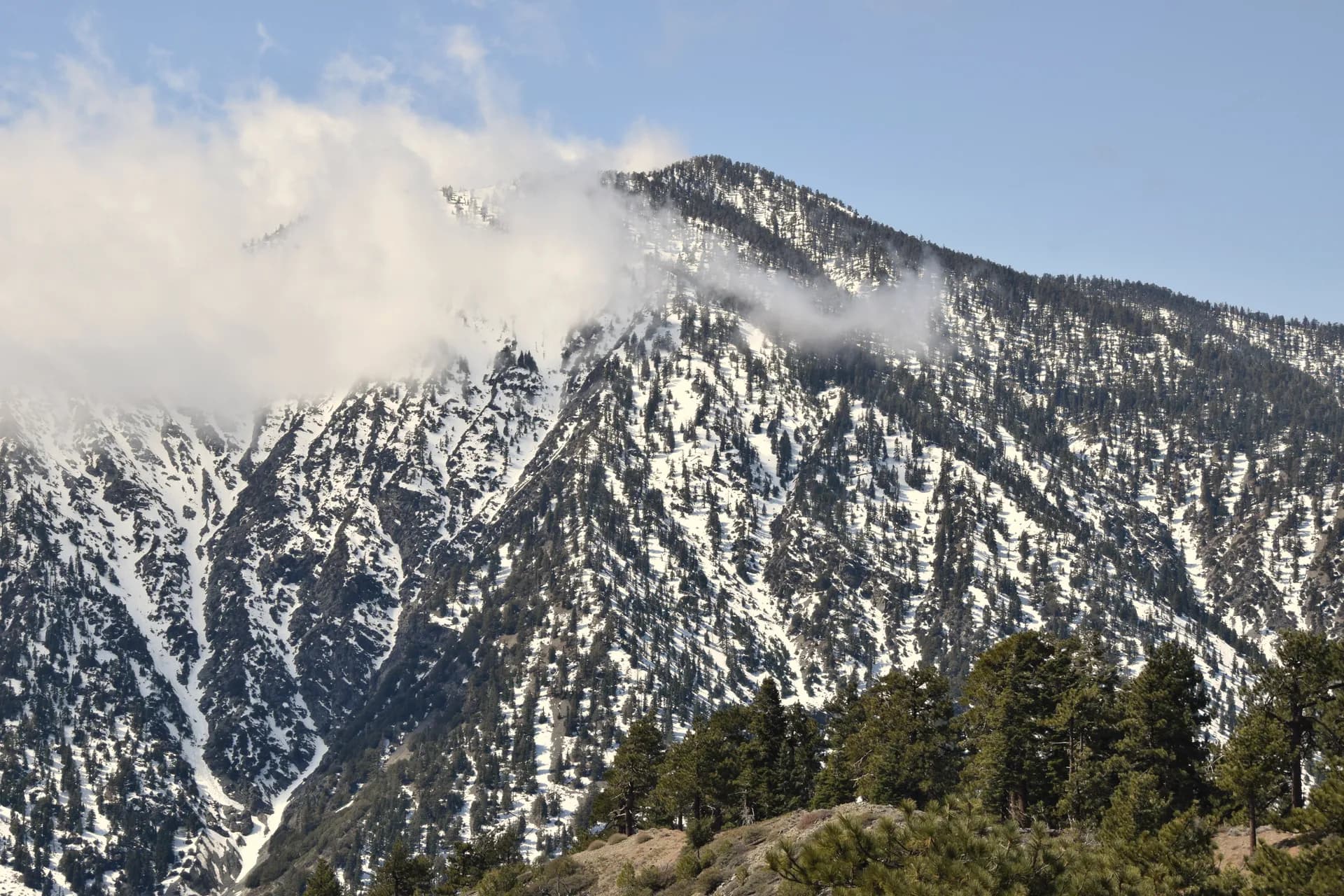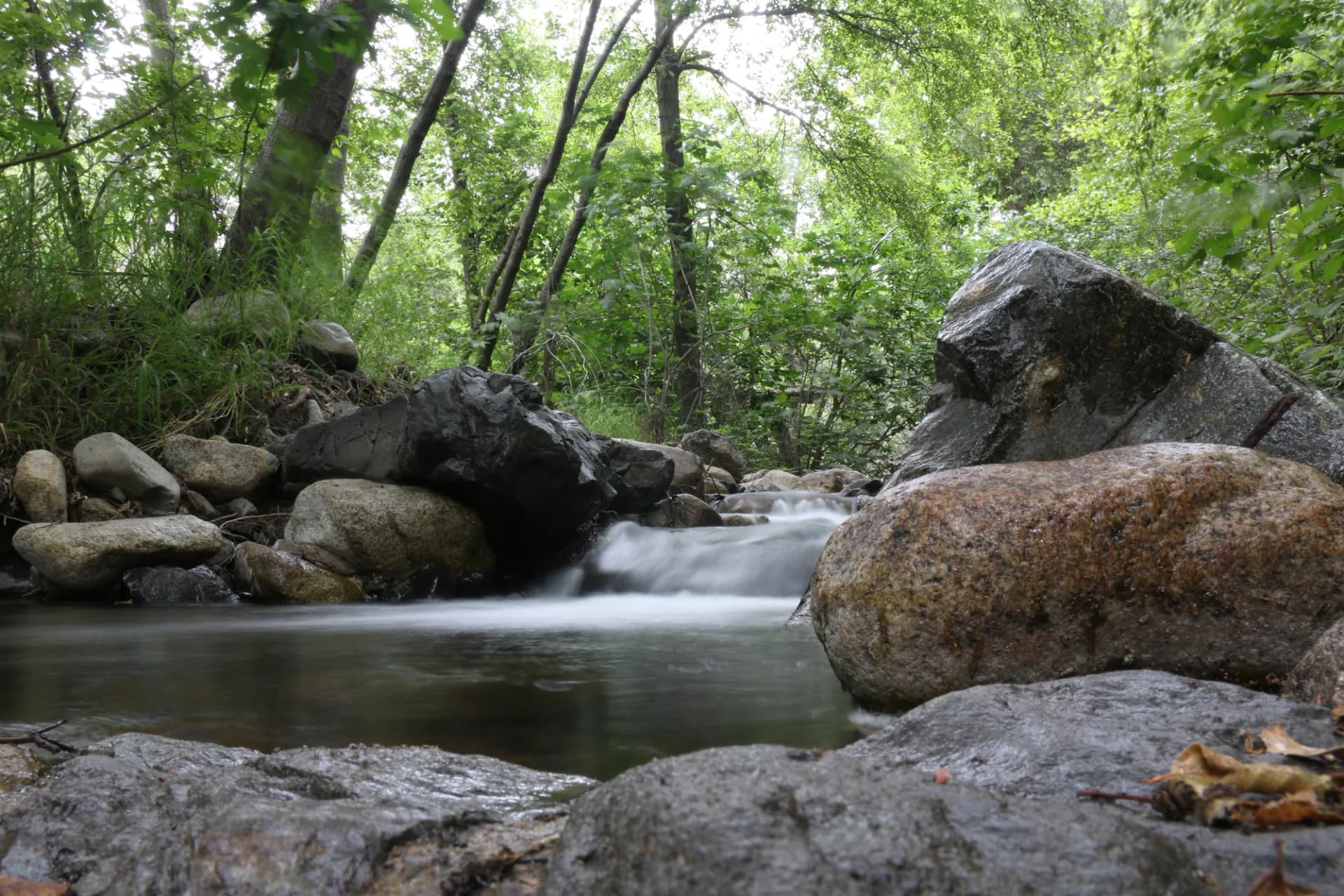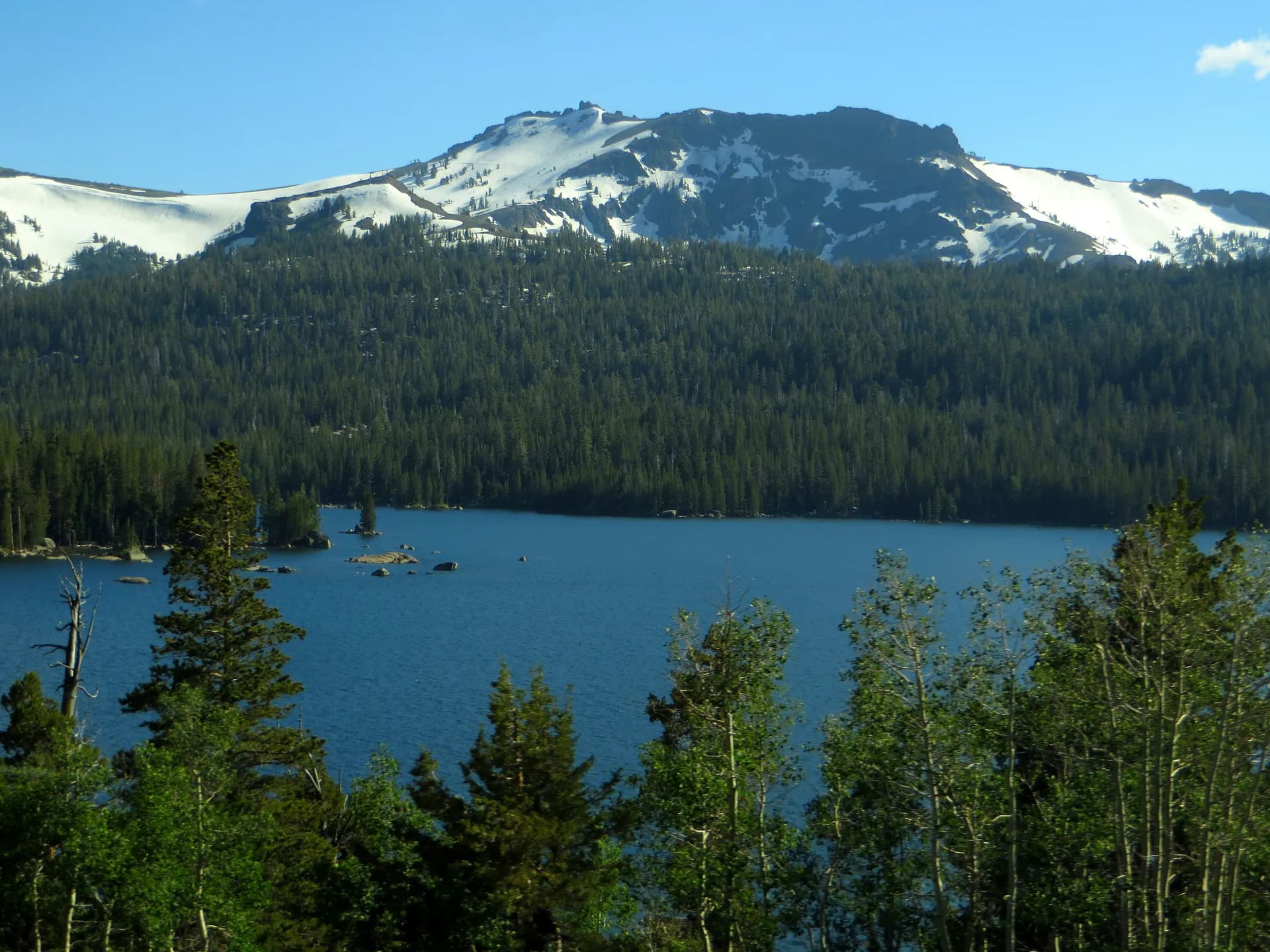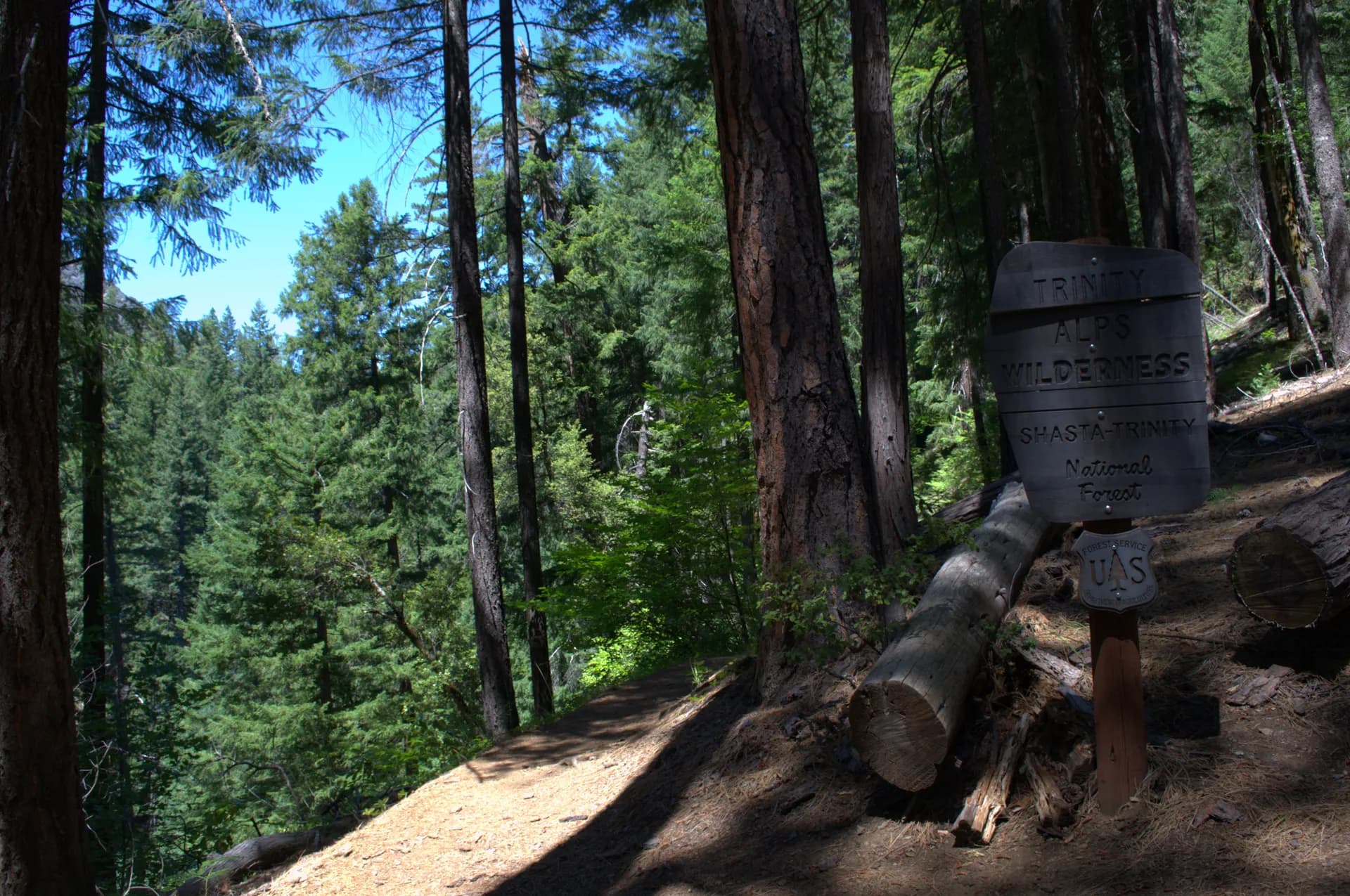
Trinity National Forest covers approximately 1.07 million acres of the Klamath Mountains in northern California, centered on Weaverville and the Trinity River drainage. It is administered as part of the combined Shasta-Trinity National Forest, sharing management with the Shasta section covering the volcanic terrain to the east. The Trinity section's defining feature is the Trinity Alps Wilderness, the largest designated wilderness area in California by area, a landscape of granite peaks, glacially carved lakes, and pristine river canyons that most Californians have never visited.
The Klamath Mountains, which include the Trinity Alps, Marble Mountains, and Siskiyou ranges, represent some of the most geologically complex terrain in North America. The region has accumulated oceanic terranes, volcanic arcs, and granitic intrusions over hundreds of millions of years, producing extraordinary rock diversity and, in combination with diverse climate and topography, exceptional plant and animal diversity.
Trails
The Trinity Alps Loop is the premier multi-day circuit in the wilderness, connecting lake basins and ridge crossings over approximately 35 miles in a route that requires three to five days. The loop passes through the heart of the Alps, with granite peaks rising above 8,000 feet and lakes reflecting the rocky ridges above. This is one of the finest wilderness backpacking routes in California outside the Sierra Nevada.
For day hikes, Canyon Creek Trail is the most popular route in the Trinity Alps, climbing 10 miles to the Canyon Creek Lakes basin beneath a dramatic granite wall. The trail combines excellent fishing access with lake scenery and is the best introduction to the Alps' character. Swift Creek Trail follows a forested creek corridor for 12 miles into a quieter section of the wilderness.
Granite Peak is the forest's most demanding summit hike at 10 miles round-trip, reaching a high point with views across the full Trinity Alps. The Stuart Fork Trail penetrates the wilderness core over 16 miles to the Emerald and Sapphire Lakes area, one of the most-photographed destinations in the forest.
Wildlife
The Trinity section of the combined Shasta-Trinity forest lies within the Klamath-Siskiyou region, which is recognized by conservation biologists as one of the most biodiverse temperate regions in North America. Black bears are common throughout the forest and should be expected in all backcountry settings; proper food storage is essential. Pacific Fisher and Ringtail Cat inhabit old-growth forest zones. The Trinity and New Rivers support wild chinook salmon, coho salmon, and steelhead populations, and these fish runs are ecologically important to the entire watershed. Spotted owls inhabit old-growth stands throughout the forest. Follow current USFS guidance for wildlife encounters and store food in bear canisters on overnight trips.
Getting There
From Redding, take CA-299 west approximately 45 miles to Weaverville, the main gateway community. The Trinity Alps trailheads branch off north and south from CA-299 and the Trinity River Road (County Road 151). For the Canyon Creek trailhead, turn north at Junction City onto Canyon Creek Road. For the Stuart Fork and Swift Creek trailheads, continue west on CA-299 past Weaverville to Trinity Center Road. From Eureka on the North Coast, take US-101 to CA-36 east to CA-3 north to Weaverville, approximately 90 miles and 1.75 hours.
Seasons
Summer (June through October): The primary hiking season. High-country trails are accessible from late June in most years. Trinity Lake fills with boaters from June through August. Fire restrictions are typically in effect from June through September; check current restrictions before building any fire or using a stove in the backcountry.
Fall: Outstanding conditions from September through October. The wilderness sees far fewer visitors after Labor Day. The changing color of the black oaks and bigleaf maples in canyon bottoms begins in October.
Winter: The Trinity River valley is accessible year-round, but forest roads and high-country trails are snowbound from November through May. Some years see significant precipitation and road closures on lower roads.
Spring: Rivers run high and cold through June. Wildflowers in the lower elevations peak in April and May. High-country snow persists through mid-June.
Nearby
Weaverville (population around 3,500) is the county seat of Trinity County and the primary service hub for the forest. It has lodging, restaurants, a grocery store, and a small historical museum focused on the Chinese mining history of the area. Trinity County is one of California's least populous counties, and the forested character of the surrounding landscape reflects that low development pressure. Redding, 45 miles to the east, is a full-service city with an airport and complete services. For information on wilderness camping, see our national forest camping permit guide. Review Leave No Trace principles before any wilderness trip, and check conditions before you go given the active fire history of this region.
Planning and Resources
No permit is required for day hiking or overnight camping in the Trinity Alps Wilderness (as of 2026). A free campfire permit from the California Department of Forestry and Fire Protection is required for any open flame outside developed campgrounds; these can be obtained online. America the Beautiful passes cover fee sites in the combined Shasta-Trinity unit. Veterans and permanently disabled individuals may qualify for federal discount passes. The Weaverville and Hayfork Ranger Districts are the primary contacts for trail conditions and current fire restriction status. Fire restrictions in the Trinity Alps are typically in effect from June through September or October, varying by season severity. Bear encounters are common throughout the wilderness; review bear canister requirements and use a hard-sided canister or hang system on all overnight trips.