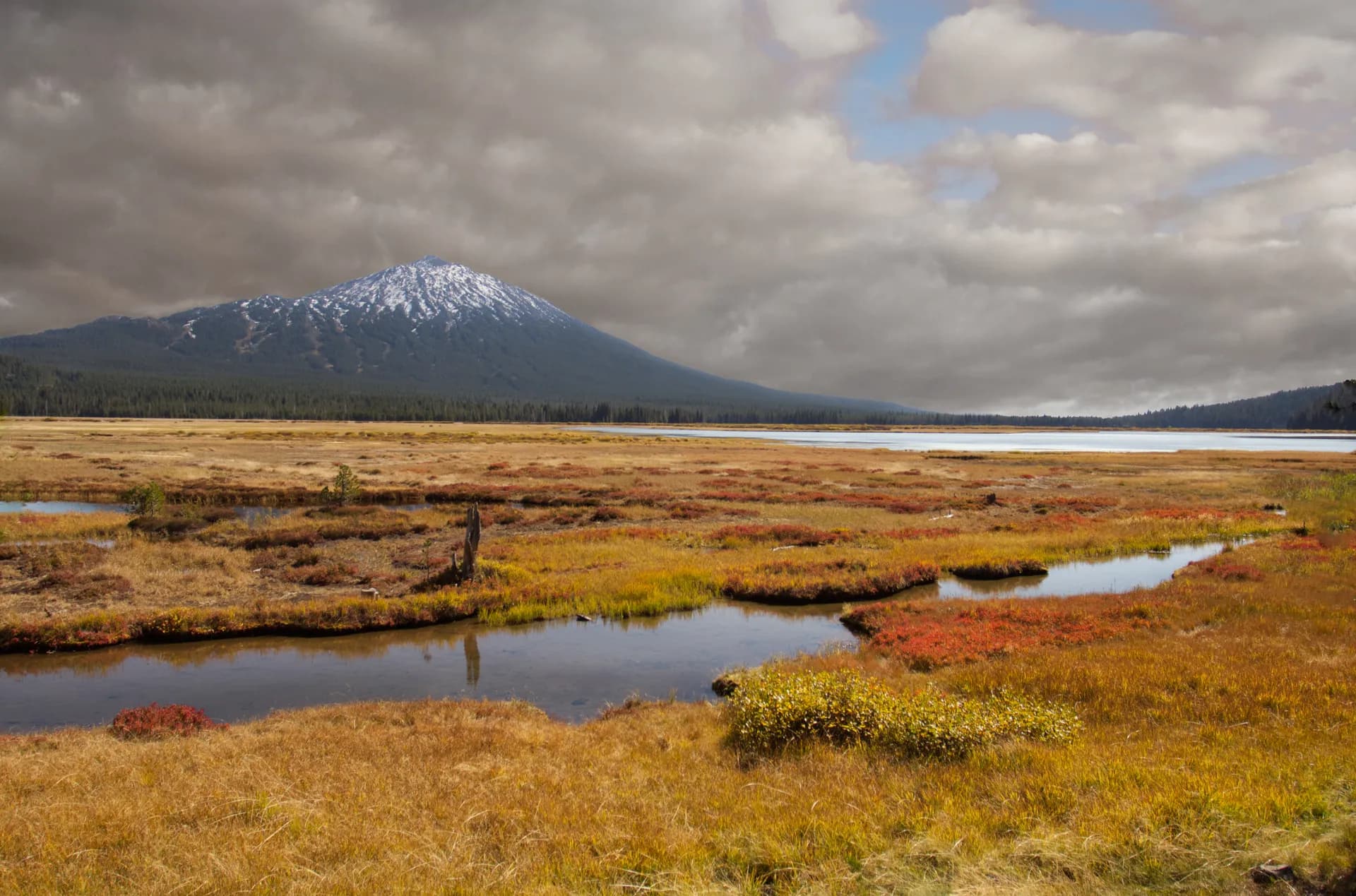
Winema National Forest covers roughly one million acres of the eastern Cascade slopes in south-central Oregon, stretching from the southern rim of Crater Lake National Park south to the California border area and east toward the Klamath Basin. It forms the eastern portion of the combined Fremont-Winema National Forest, sharing administration with the Fremont section covering the high desert country to the east. The forest is named for Winema (Toby Riddle), a Modoc woman who played a significant role as a translator and peacemaker during the Modoc War of 1872-73.
The Winema section occupies an ecological transition zone between the wetter western Cascade forests and the drier pine country of the Klamath Basin. This transition produces a distinctive mix of plant communities: dense true fir forest at the highest elevations giving way to ponderosa pine at mid-elevations and ultimately to the open country of the Klamath marshes and Upper Klamath Lake below.
Trails
The Sky Lakes Wilderness Trail provides access to the southern portion of the Sky Lakes Wilderness from Fourmile Lake trailhead, covering 16 miles through a chain of volcanic lakes and meadows on the Cascade Divide. The trail connects to the Pacific Crest Trail corridor running through the wilderness and offers backpacking opportunities ranging from one to several nights.
Pelican Butte is the signature viewpoint hike in the Winema section, a 5-mile round-trip gaining 2,500 feet to a summit overlooking the Klamath Basin, Upper Klamath Lake, and distant Cascade peaks. The views on a clear day extend north to the visible caldera rim of Crater Lake. This is the best single hike for visitors wanting a panoramic introduction to the forest's landscape.
The Mountain Lakes Wilderness Loop is a 17-mile circuit through the compact Mountain Lakes caldera basin, offering a genuine wilderness backpacking experience close to Klamath Falls. The loop visits multiple volcanic lakes in terrain shaped by ancient volcanic collapse.
Brown Mountain Trail traverses the lower flanks of a young volcanic cone through lava flow terrain and older forest, 9 miles that mix geological interest with forest walking.
Wildlife
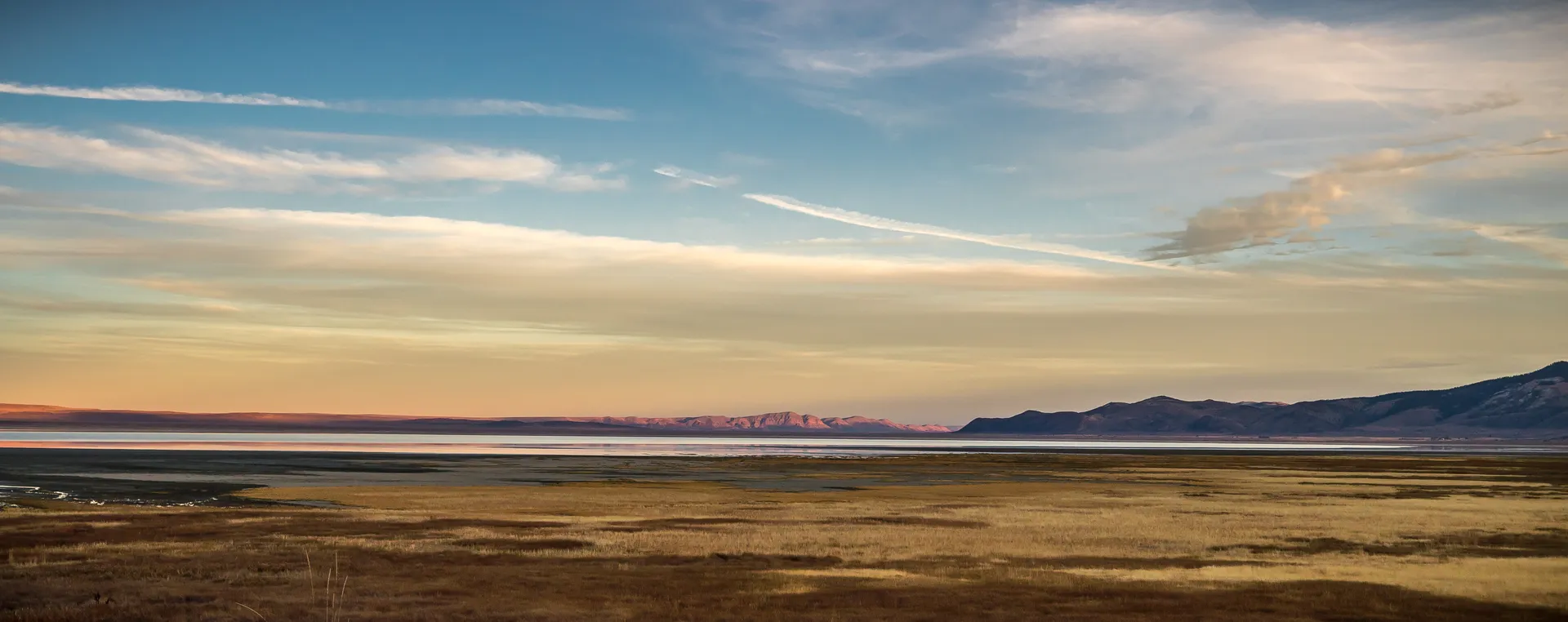
The Klamath Basin, adjacent to the forest's eastern and southern edges, is one of the most important waterfowl staging areas on the Pacific Flyway, with millions of ducks and geese using the basin during fall migration. Sandhill cranes are present in spring and fall. Osprey and bald eagles are common along the lake corridors. American white pelicans nest in large colonies on islands in Upper Klamath Lake. Mule deer and elk are present throughout the forest, with the forest providing summer range for basin herds. Black bears inhabit the forested zones. The Klamath River and tributaries within and adjacent to the forest support coho salmon, chinook salmon, and steelhead runs; the Klamath Basin salmon restoration effort is an ongoing major conservation initiative. Follow current USFS guidance for wildlife encounters.
Getting There
From Klamath Falls, take OR-140 west approximately 25 miles toward Lake of the Woods to reach the Fourmile Lake and Sky Lakes trailheads. For Pelican Butte, continue west on OR-140 and turn north on the forest road to the trailhead, approximately 30 miles from Klamath Falls. From Medford, take OR-62 north toward Crater Lake and then south on forest roads to approach the Winema section from the north. The Pacific Crest Trail corridor crosses the forest from north to south, providing thru-hiker access throughout the summer season.
Seasons
Summer (July through October): The primary hiking season. High-country trails are accessible by early July in most years. The Sky Lakes and Mountain Lakes areas draw backpackers throughout the summer, with peak use in August.
Fall (October through November): Good hiking weather into October. Waterfowl viewing in the adjacent Klamath Basin is outstanding from October through December as migration peaks.
Winter: Snowshoeing and cross-country skiing in the forest from December through March. OR-140 can be closed or require chains. Some forest roads close seasonally.
Spring (May through June): Migratory bird activity in the Klamath Basin peaks in March through May. High-country snow persists on wilderness trails into July.
Nearby
Klamath Falls (population around 22,000) is the regional city and primary gateway, with lodging, restaurants, an airport, and full services. The city sits on the south end of Upper Klamath Lake at 4,100 feet and serves as a base for both forest and basin recreation. Chiloquin, a small town 20 miles north on US-97, serves as a gateway for the northern Winema section. Crater Lake National Park is approximately 50 miles to the north via OR-62 and provides a complementary volcanic landscape experience. For backcountry trip planning, see our dispersed camping guide and Leave No Trace principles. Check conditions before you go for current road and trail status.
Planning and Resources
A free wilderness permit (self-issued at trailhead registers) is required for overnight camping in the Sky Lakes and Mountain Lakes Wilderness areas (as of 2026). No permit is required for day hiking. America the Beautiful passes cover applicable fee sites. Veterans and permanently disabled individuals may qualify for federal discount passes. The Klamath Ranger District is the primary contact for current wilderness conditions, fire restrictions, and access road status. Wildfire is a recurring concern in the eastern Oregon Cascades; fire restrictions are typically in effect from late June through October in dry years. Mosquitoes are severe from mid-June through early August throughout the Sky Lakes basin; insect repellent and a head net are practical investments for early-season visits. The Klamath Basin's birdlife, including white pelicans, great egrets, and numerous waterfowl, makes the area adjacent to the Klamath Marsh an exceptional wildlife viewing destination separate from the wilderness hiking experience.