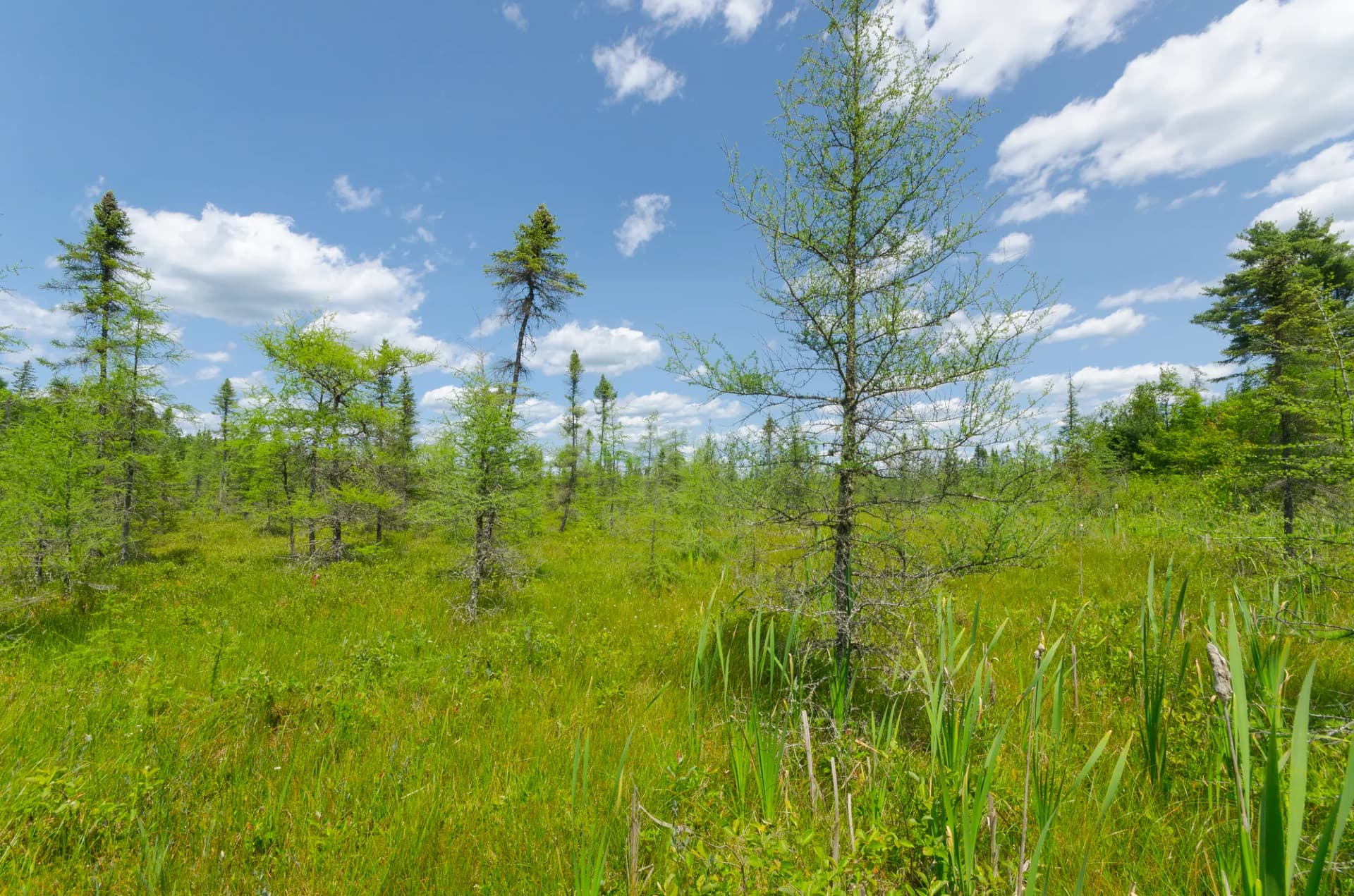
Huron-Manistee National Forests covers nearly a million acres across Michigan's Lower Peninsula in two distinct units: the Huron unit in the northeast and the Manistee unit along the Lake Michigan coast. Together they protect a cross-section of northern Lower Peninsula landscapes in Michigan, from jack pine plains and cold trout rivers in the interior to coastal sand dunes and Great Lakes shoreline on the west. The 220-mile North Country Trail passage through both units is one of the finest long-distance trail opportunities in the Great Lakes region.
The forest is best known to the outside world for two things: the Kirtland's warbler and the Au Sable River. The jack pine barrens of the Huron unit shelter one of the rarest breeding songbirds in North America; fewer than 5,000 individuals exist and nearly all nest within this specific habitat type in central Michigan. The Au Sable is Michigan's most famous trout stream, a clear, cold river that produced the techniques of modern American fly fishing and still holds exceptional wild brook and brown trout.
Why Huron-Manistee Stands Out
Nordhouse Dunes Wilderness. The 3,450-acre Nordhouse Dunes Wilderness on the Manistee unit's Lake Michigan shoreline is one of the most unusual wilderness experiences in the Midwest: coastal sand dunes towering 140 feet above Lake Michigan, with views across the water to the west and dense conifer forest to the east. The Nordhouse Dunes Loop traverses both the open dune face and the forest interior. Camping directly on the dunes is permitted, making for an exceptional overnight experience.
Au Sable River. The Au Sable runs through the Huron unit's most accessible stretch near Mio and Grayling. It is designated as a National Wild and Scenic River in its upper reaches, and the USFS maintains numerous access points for fishing and paddling. The North Country Trail: Au Sable River section follows the river through mixed pine and hardwood forest.
Kirtland's warbler habitat. The managed jack pine forests of the Huron unit are the primary nesting ground for Kirtland's warbler. USFS-guided tours in May and June provide reliable sightings of this federally listed species. The jack pine management program, which clear-cuts and replants specific areas to maintain the 5 to 20-year-old stands the warbler requires, is one of the most active endangered species recovery programs in the eastern United States.
Best Trails
The Nordhouse Dunes Loop (5.5 miles, moderate) is the flagship hike in the Manistee unit, combining dune climbing with Lake Michigan views. The North Country Trail: Au Sable River (9.0 miles, moderate) is the best river corridor hike in the Huron unit. The Udell Hills Trail (4.0 miles, easy-moderate) provides rolling terrain with views in the Manistee unit interior.
The Big Marsh Lake Trail (3.5 miles, easy) loops a quiet lake in the Manistee unit with good birdwatching. The Mason Tract Pathway (7.0 miles, moderate) follows the South Branch Au Sable River through the Huron unit. The Lumbermen's Monument Trail (3.0 miles, easy) visits a historical monument to Michigan's logging era on the Au Sable. The Kneff Lake Trail (4.2 miles, easy-moderate) explores the lake-dotted terrain of the southern Manistee unit. The Hoist Lakes Foot Travel Area (6.0 miles, moderate) is in the Huron unit with multiple small lakes and good wildlife viewing.
Permits and Passes
No permit is required for day hiking or dispersed camping throughout Huron-Manistee National Forests, including the Nordhouse Dunes Wilderness. Developed campground fees are required at reservable sites. The America the Beautiful pass covers day use fees. Veterans and active military should review our veteran benefits guide.
For Kirtland's warbler tours, reservations are required in advance through the Mio Ranger District (contact numbers on the USFS website). These guided tours are the recommended way to observe nesting warblers without disturbing them. See our checking conditions guide for current fire restrictions and trail status.
Camping
Nordhouse Dunes Campground (11 sites) is the closest developed camping to the Nordhouse Dunes Wilderness at the Lake Michigan shoreline. The small size keeps crowds manageable. Vault toilets, no hookups. First-come, first-served.
Rifle River Campground (36 sites) is in the Huron unit near the Rifle River, popular with anglers and paddlers. Reservable in summer through Recreation.gov.
Timber Creek Campground (23 sites) is in the Manistee unit interior, a quieter alternative to the Lake Michigan campgrounds. First-come, first-served.
Bowman Bridge Campground (24 sites) is a canoe-friendly campground on the Au Sable River in the Huron unit, with river access and proximity to the NCT.
When to Visit
May and June are prime for Kirtland's warbler tours, wildflowers, and river canoeing. Blackflies are present in early June.
July and August are peak season for Lake Michigan beach use at Nordhouse Dunes, river fishing, and general hiking. The forest is fully leafed and pleasant.
September and October bring fall color from the maple and birch forest. The Au Sable trout fishing is excellent in fall. Crowds diminish significantly after Labor Day.
November through April means snow, quiet, and snowmobiling on groomed forest road trails. The Manistee River Trail is popular for winter snowshoeing.
Getting There
From Grand Rapids: Take US-131 north to Cadillac, then US-55 or M-66 to access the Manistee unit. About 2.5 hours to the Lake Michigan section.
From Detroit: Take I-75 north to Grayling, then west on M-72 to the Au Sable area. About 3 hours to the Huron unit.
From Traverse City: The Manistee unit is about 30 miles south via US-31 or M-22. The Nordhouse Dunes area is accessible from Ludington, about 50 miles south.
Practical Tips
Bears are present throughout both units. The USFS recommends standard bear awareness precautions: store food properly in camp, make noise on trails. See our bear canister guide.
Flash flooding is possible on river trails in both units during heavy rain events. The Au Sable and Manistee rivers can rise quickly. Check current river levels before planning a river-adjacent hike.
Ticks are present in the Lower Peninsula from April through September. Wear long pants and apply repellent; check for ticks after any outing in brushy terrain.
Leave no trace principles are especially important in the Nordhouse Dunes Wilderness where dune vegetation is fragile. Follow the Leave No Trace seven principles and our checking conditions guide.