Michigan's Western Forest and River Country
Manistee National Forest covers approximately 542,000 acres of Michigan's Lower Peninsula, spreading across several counties between the Lake Michigan shoreline and the interior of the western Lower Peninsula. It forms the western portion of the combined Huron-Manistee National Forest administrative unit, with the Huron section located on the northeastern Lower Peninsula near Lake Huron.
The Manistee section is defined by rivers, lakes, and sandy terrain shaped by the retreating glaciers of the last ice age. Five major rivers flow through the forest: the Manistee, Pine, White, Little Manistee, and Pere Marquette rivers (the latter partially through adjacent private lands). These rivers are the primary recreational draw for the region, attracting paddlers, anglers, and camping families who return year after year to the same river corridor campgrounds. Trout fishing on the Little Manistee River is particularly well-regarded, and the river is one of the key natural steelhead production streams in Michigan.
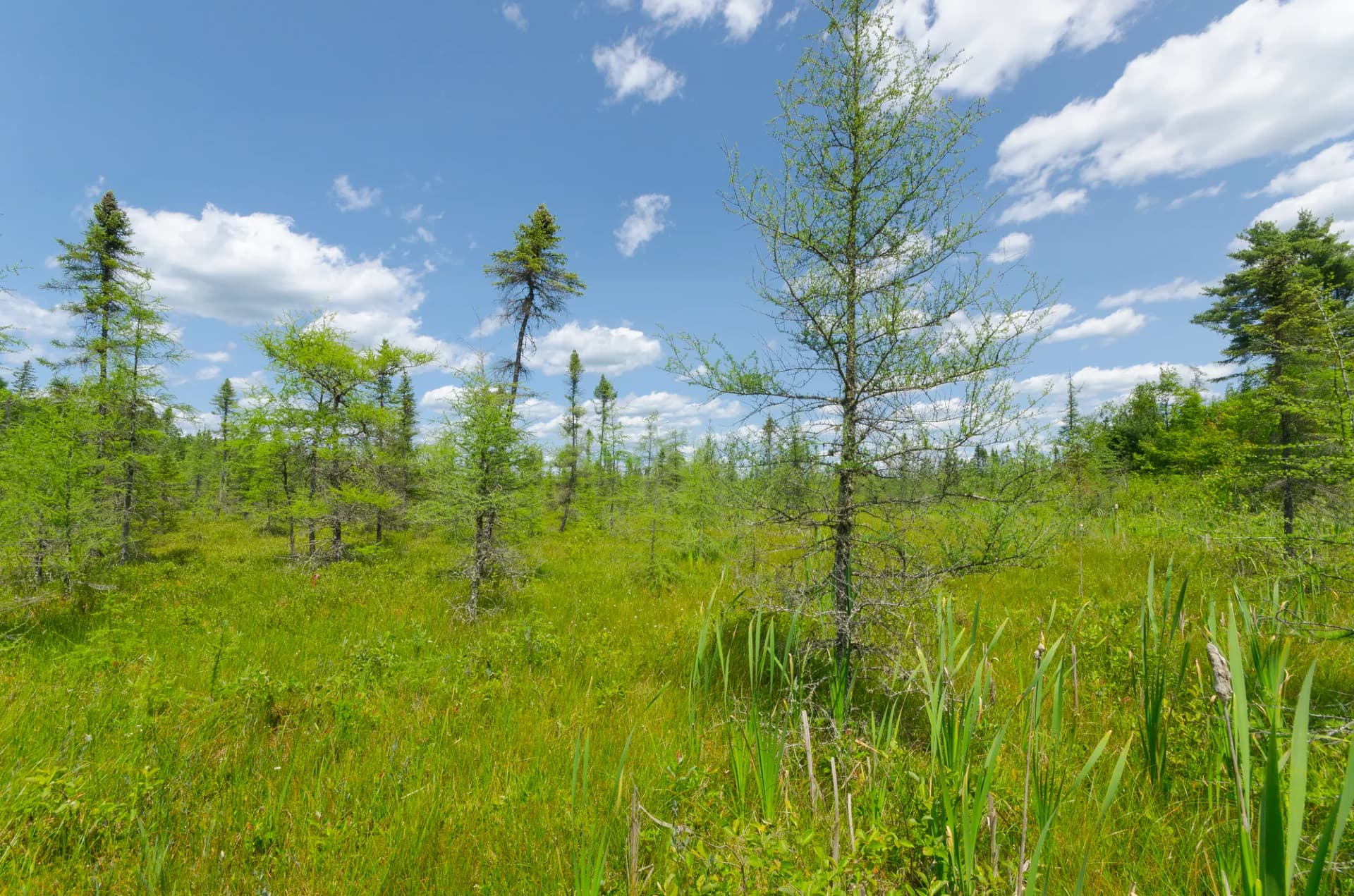
The terrain is flat to gently rolling, with maximum elevations barely exceeding 1,000 feet. The forest floor transitions between sandy outwash plains with jack pine and open-grown ponderosa, transitional mixed hardwood stands, and wet lowlands along the river corridors. This is not dramatic mountain scenery, but it has a quiet, distinctive beauty that draws strong regional loyalty.
North Country National Scenic Trail
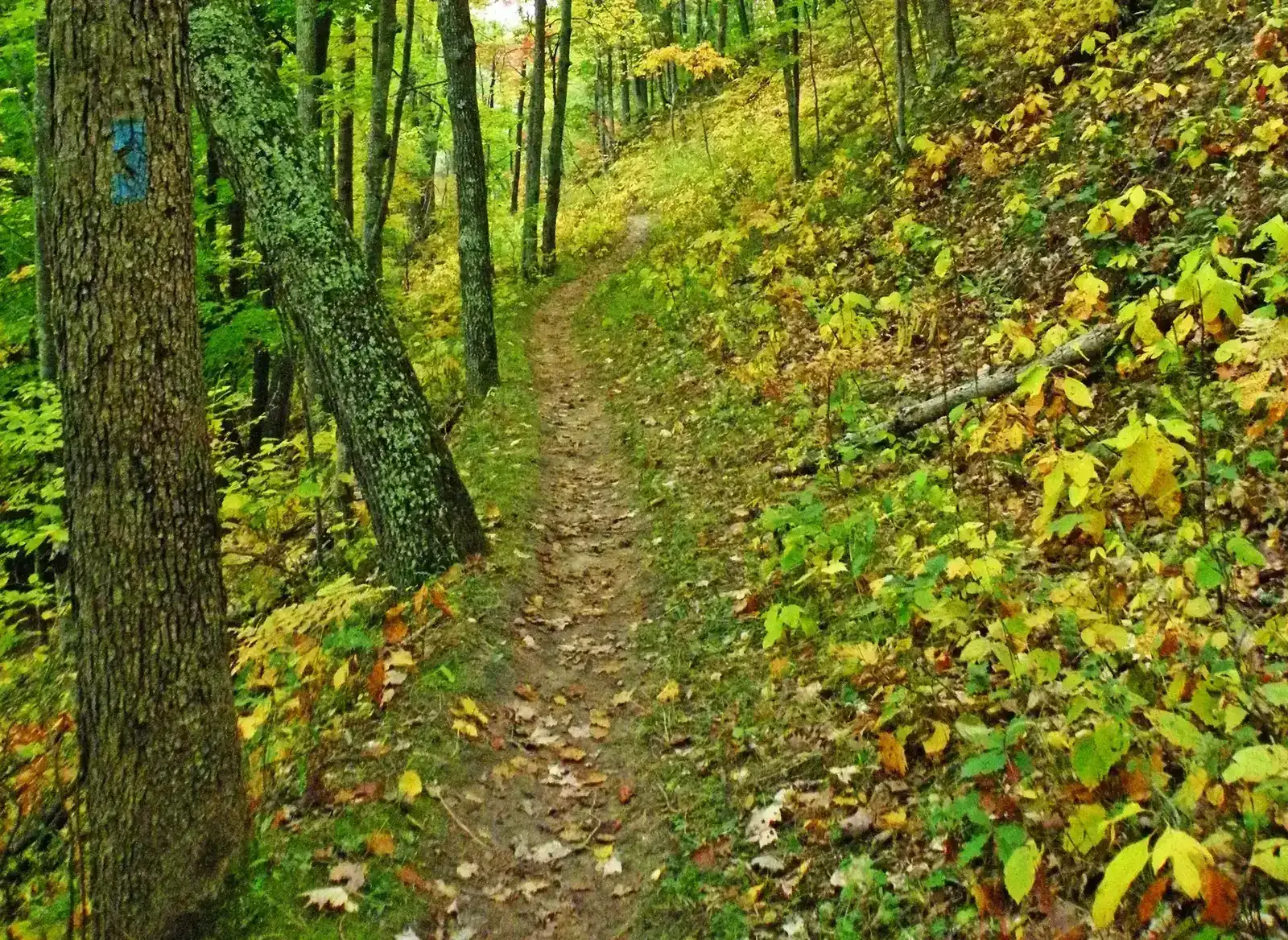
The North Country Trail, a designated national scenic trail running from New York to North Dakota, traverses the Manistee section for approximately 60 miles. The Manistee River Loop portion of the NCT is one of the most popular multi-day hiking circuits in the Midwest, combining the North Country Trail with the Manistee River Trail to create a 22-mile loop along the river and high ridge above. This route is accessible to hikers of moderate ability and offers excellent camping along the river.
River Paddling and Fishing
The Manistee River is Michigan's second-longest river and a legendary trout and salmon fishery. The section of the river within the national forest offers numerous put-in and take-out points for day or multi-day paddling. Steelhead runs in spring and fall attract anglers from across the Midwest. The Pine River is also a popular intermediate-level canoe run with faster current and some light whitewater. River conditions vary significantly by season; spring and early summer typically provide the best flows.
Best Trails
North Country Trail - Manistee Section (14.0 miles, selected section) traverses high ridges above the Manistee River before descending to the river corridor, offering the best views and most varied terrain on the NCT through the forest. Can be combined with the river trail for a multi-day loop.
Lake Michigan Recreation Area (5.0 miles, loop) explores the coastal dune and beach terrain at the western edge of the forest, with views across Lake Michigan and access to the shoreline.
Little Manistee River Trail (8.0 miles, out-and-back) follows the river through excellent trout habitat, passing streamside vegetation and offering multiple fishing access points.
Loda Lake Wildflower Sanctuary (2.5 miles, loop) circles the lake through the National Wildflower Sanctuary, ideal for wildflower viewing in May and June, with native orchids and forest wildflowers along the entire route.
Sand Lakes Quiet Area (8.0 miles, interconnected trails) is a network of non-motorized trails connecting several small lakes in the interior forest, popular for quiet hiking, swimming, and exploring the glacial lake landscape.
Udell Hills Trail (5.5 miles, loop) climbs the highest terrain in the Manistee section, with views across the forest interior and Lake Michigan in the distance.
Permits and Passes
No permit is required for day hiking or dispersed camping in Manistee National Forest (as of 2026). Developed campground fees apply. The how to get a national forest camping permit guide covers general reservation procedures.
America the Beautiful passes are accepted at fee sites. Veterans and permanently disabled individuals may qualify for federal discount passes.
Camping
Lake Michigan Recreation Area Campground (99 sites, reservable) is the most popular and largest facility, with beach access and excellent location. Sand Lake Campground and Loda Lake Campground are good interior options. Bowman Bridge Campground on the Manistee River is a favorite for river-camping travelers.
Dispersed camping is available throughout the forest away from developed areas and rivers. Review dispersed camping guide for applicable rules.
When to Visit
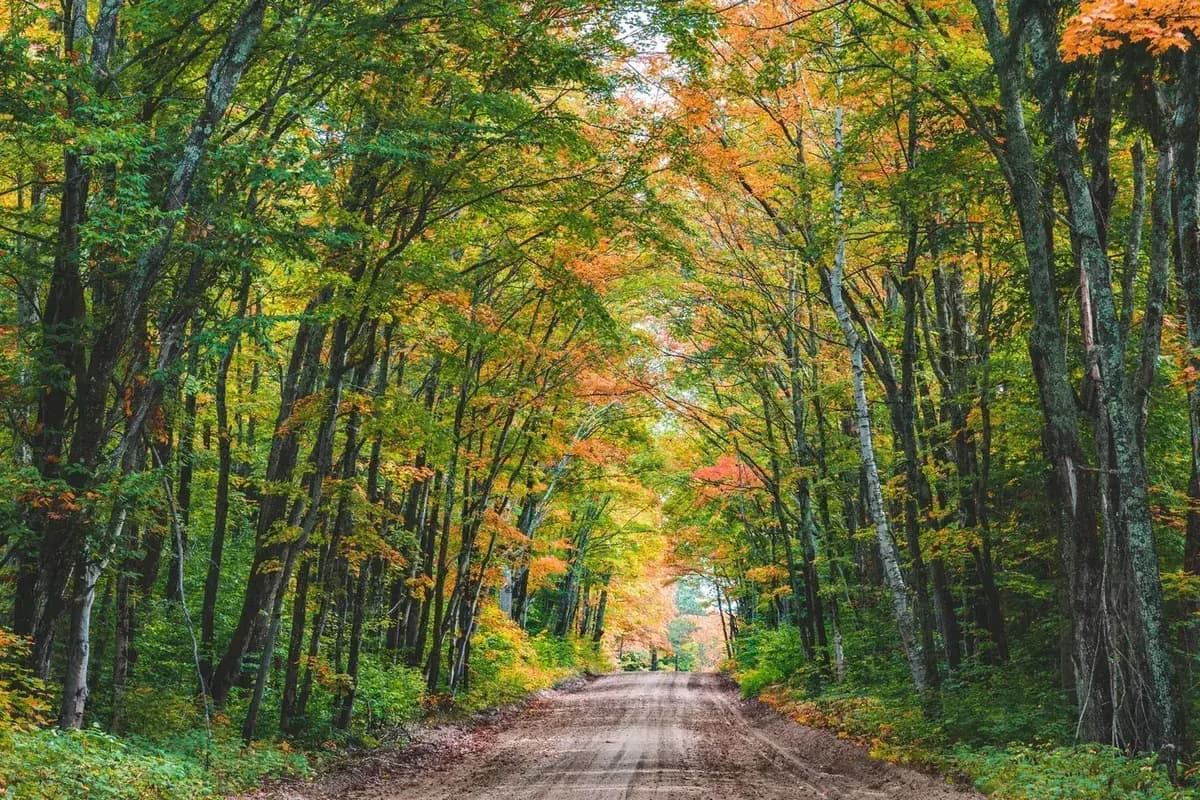
May through October is the primary season. River flows are best in spring. Summer is the peak season for lake and beach recreation. Fall color in the mixed hardwood forests peaks in mid-October and is excellent throughout the forest. Winter brings snowshoeing and cross-country skiing on trail corridors.
Check conditions at checking conditions before you go and practice Leave No Trace principles throughout, particularly around the river corridors where camping impact is cumulative.
Getting There
From Grand Rapids, take US-131 north to Big Rapids, then continue north on US-131 or take M-20 west toward Newaygo to access the southern forest. For Manistee city and the western forest, take US-31 north along the Lake Michigan coast. The forest is distributed across a large area of the Lower Peninsula without a single central gateway.