Wisconsin's Northwoods Lake Country
Nicolet National Forest encompasses approximately 980,000 acres of northeastern Wisconsin's iconic lake-and-forest landscape, the Northwoods country that defines the image of Wisconsin for most Midwesterners. It forms the eastern portion of the combined Chequamegon-Nicolet National Forest administrative unit, sharing a supervisor's office with the Chequamegon section in Park Falls while maintaining its own character shaped by over 1,200 lakes and a landscape defined by glaciation.
The name honors Jean Nicolet, a French explorer who traveled through the Great Lakes region in 1634. The forest itself grew from cutover lands, the logged and burned remnants of Wisconsin's great northern forest that was largely stripped of its white pine and hemlock between 1860 and 1910. Second-growth northern hardwoods, red and jack pine, and mixed conifer-hardwood stands now cover most of the forest, interspersed with wetlands, streams, and the omnipresent lakes that give the landscape its identity.
For Midwestern families, the Nicolet section represents a classic summer destination: a cabin on a lake, fishing from a rowboat, swimming in clear northern lake water, and campfire evenings that define the regional outdoor culture. The USFS manages this land to serve those traditions while protecting the ecological systems that make the lakes productive.
Headwaters Wilderness and the Wisconsin River
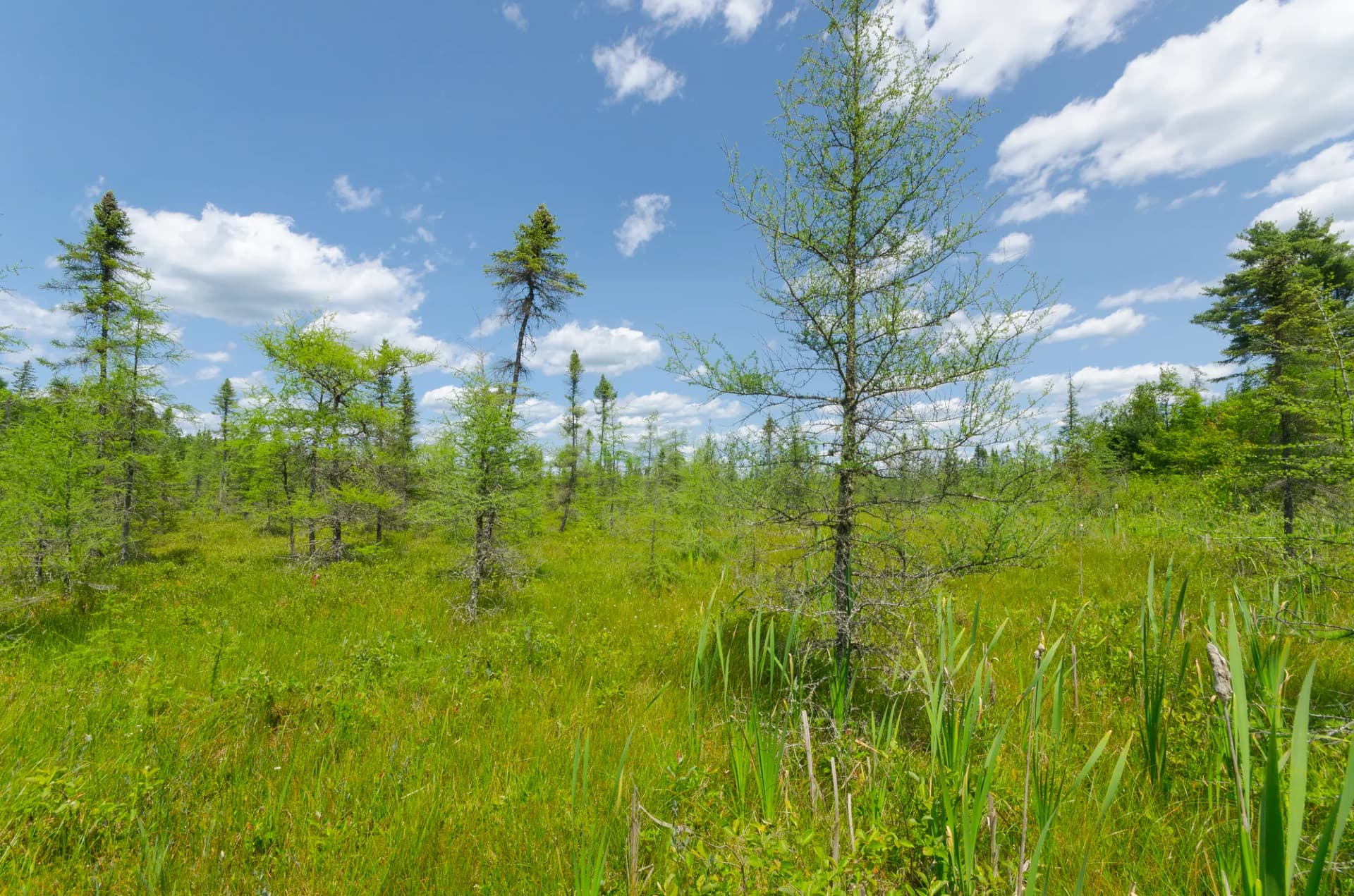
The Headwaters Wilderness, a 19,000-acre parcel in the northern Nicolet section, protects the source streams of the Wisconsin River in a setting of old-growth and maturing second-growth forest. Trails into the wilderness pass through a landscape of lakes, bogs, and upland forest that feels genuinely remote despite the surrounding lake-house development. This is one of the quieter wilderness areas in the national forest system, offering solitude without dramatic mountain scenery.
The Wisconsin River begins in the Headwaters area and flows south to the Mississippi, representing one of the great river systems of the Midwest. Canoe routes through the upper river and its tributaries provide a multi-day paddling option within the forest boundary.
Lakes and Paddling
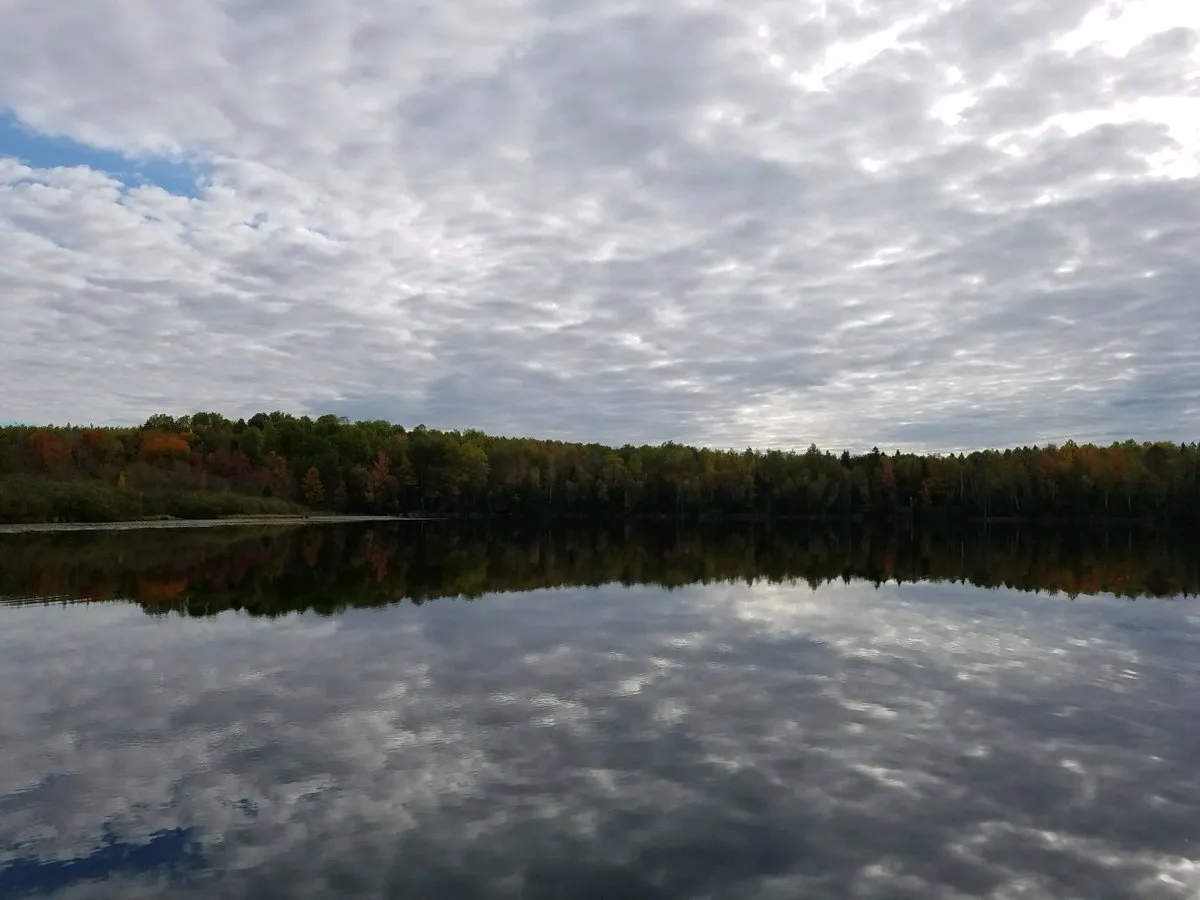
Lake paddling is the defining recreation in the Nicolet section. Dozens of lake-to-lake canoe routes connect forest lakes through portages ranging from a few hundred feet to a mile or more. The Eagle Chain and the Oneida County lakes system are popular paddling corridors. Canoe camping is an excellent way to access the lake country with minimal road time.
Best Trails
Headwaters Wilderness Trail (18.0 miles, multi-day) traverses the wilderness through lake basins, stream corridors, and upland forest, visiting the source waters of the Wisconsin River. This is the Nicolet section's most rewarding backcountry route.
Three Lakes Trail (12.0 miles, loop) connects three forest lakes with hiking and paddling segments, combining trail walking with lake scenery in the forest interior.
Pine River Trail (8.0 miles, out-and-back) follows a clear northern Wisconsin stream through excellent trout habitat, with access points for fishing and swimming in the river pools.
Boulder Lake Trail (6.0 miles, loop) circles a forest lake through northern hardwood and conifer stands, a classic Wisconsin Northwoods walk with good birding and wildlife viewing.
Statehouse Lake Trail (5.0 miles, loop) offers a shorter option around a quieter interior lake with good swimming and fishing access.
Perch Lake Trail (4.0 miles, loop) is a family-friendly option suitable for hikers of all experience levels, circling a small lake with picnic facilities and swimming.
Permits and Passes
No permit is required for day hiking or dispersed camping in Nicolet National Forest (as of 2026). Developed campground fees apply. Wisconsin fishing requires a state fishing license issued by the Wisconsin DNR. America the Beautiful passes are accepted at developed recreation fee sites.
Veterans and permanently disabled individuals may qualify for federal discount passes. See veteran benefits in national forests for details.
Camping
Anvil Lake, Spectacle Lake, Bagley Rapids, and Nicolet Beach campgrounds offer developed lakeside camping throughout the forest. Most are small and fill on summer weekends. First-come sites are common; reservable sites book quickly from late June through August.
Dispersed camping is available throughout the forest. The dispersed camping guide covers applicable rules. Campfire regulations change during drought conditions; verify current restrictions before your visit.
When to Visit
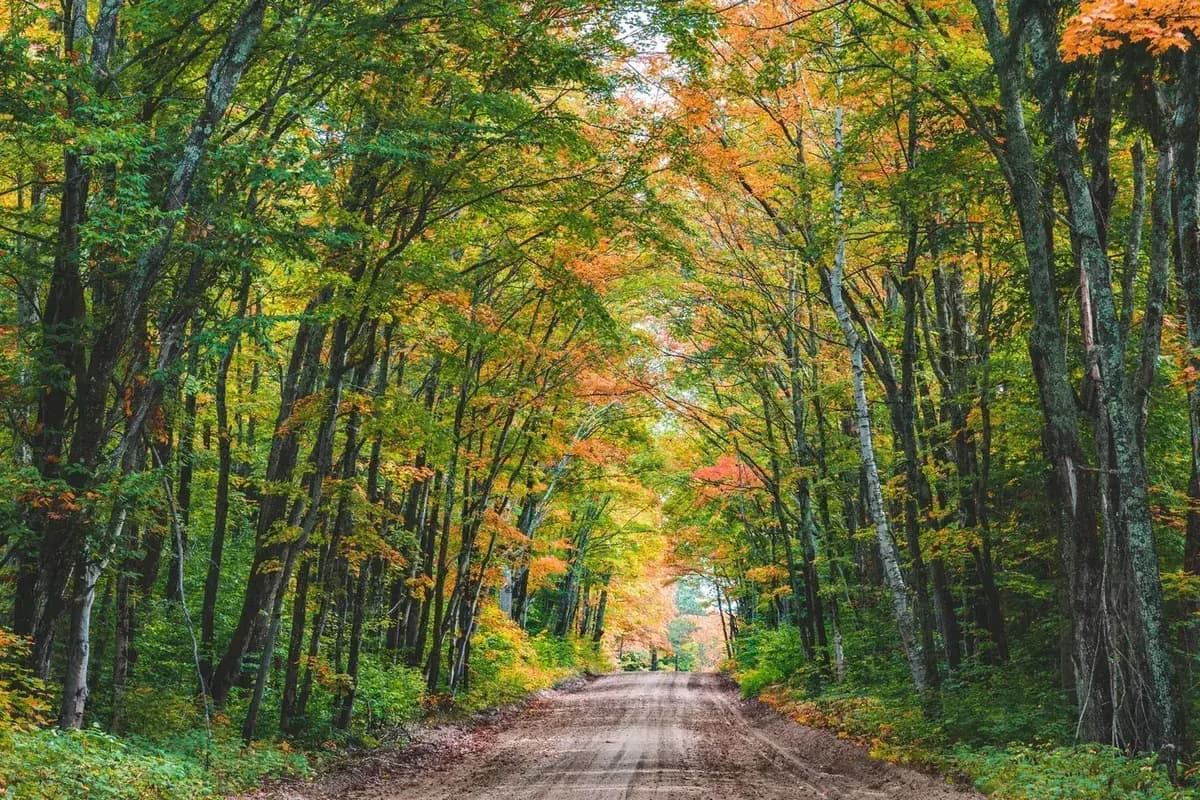
May through October is the primary season. Late spring brings excellent fishing as lake temperatures rise. Summer is the peak family camping season. Fall color in the northern hardwoods peaks in early to mid-October and is among the finest in the Midwest. Winter transforms the forest into a snowmobile and cross-country ski destination.
Check conditions at checking conditions before you go and practice Leave No Trace principles throughout the forest.
Getting There
From Green Bay, take US-141 north approximately 90 miles to Pembine, then north on WI-8 to Rhinelander area. From Milwaukee, US-45 north leads to Antigo, then US-45 north to the Rhinelander gateway. Rhinelander is the primary commercial gateway for the Nicolet section.