ForestMatters, LLC

Wasatch National Forest

Utah · 5 min read

State: Utah
Acres: 1,031,000
Established: 1906
Best Season: June through October
Trail Miles: 740 mi
Wilderness Areas: 2
Google MapsApple Maps
hikingbackpackingcampingskiingsnowshoeingrock-climbingwildlife-viewingphotography

At a Glance

  • Mount Olympus Wilderness protecting the iconic pyramid peak above Salt Lake City
  • Twin Peaks Wilderness with rugged granite terrain above Big Cottonwood Canyon
  • Little Cottonwood Canyon, gateway to Alta, Snowbird, and alpine hiking
  • Big Cottonwood Canyon leading to Brighton and Solitude ski areas
  • Direct access from Salt Lake City metropolitan area via canyon roads
  • Uinta-Wasatch-Cache combined unit covering the full Wasatch Front

Permits & Passes

Little Cottonwood Canyon Shuttle (summer weekends)Optional

Varies (as of 2026)

Details
Overnight Wilderness CampingOptional

Free (as of 2026)

Federal Discount Passes

  • Military Annual PassFree — active duty & veterans
  • Senior Pass$20 lifetime — ages 62+
  • Access PassFree lifetime — permanent disability
Learn more →

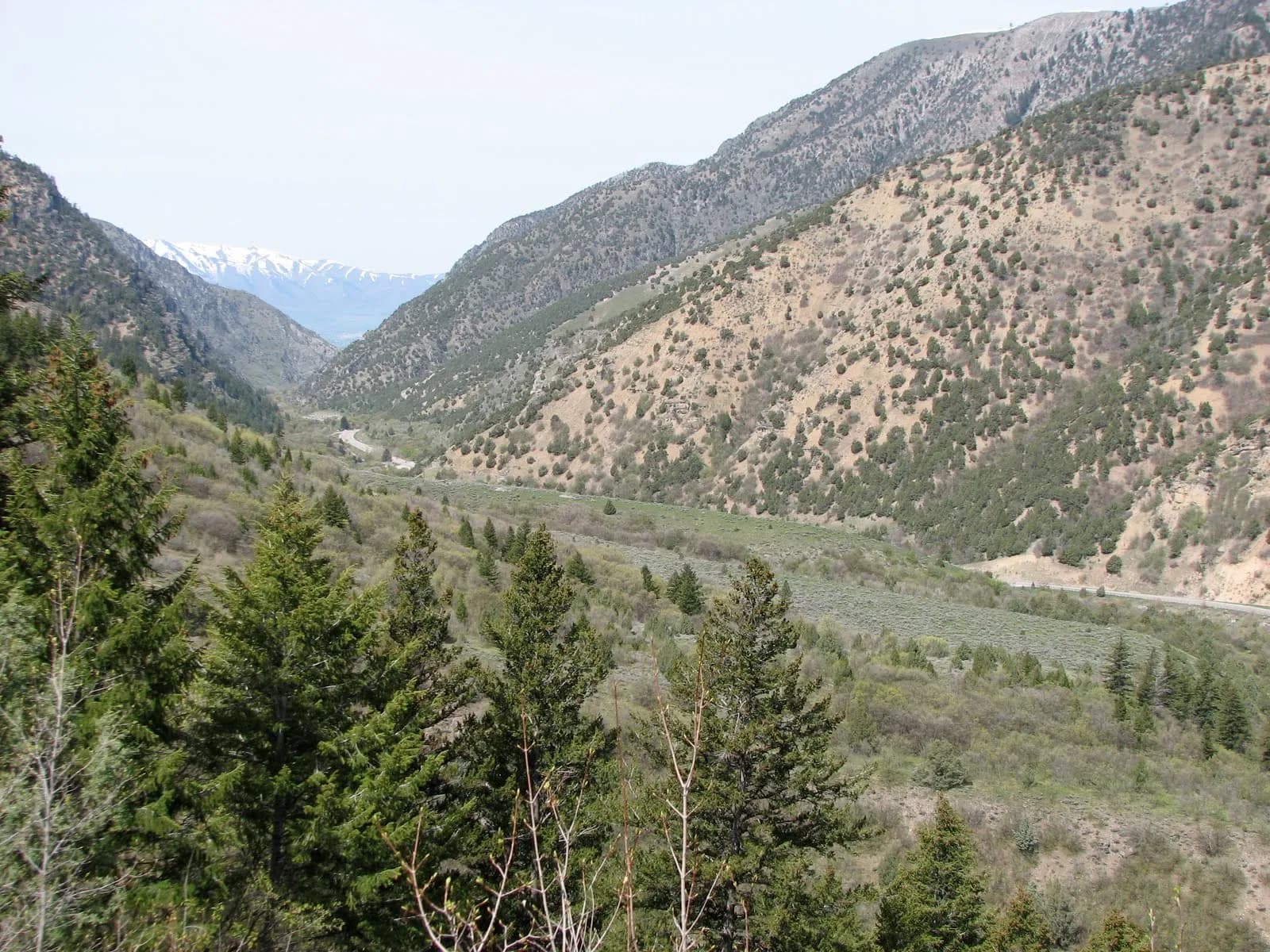
Wasatch National Forest rises steeply from the Salt Lake Valley floor to crest the Wasatch Range at peaks exceeding 11,000 feet, covering roughly 1.03 million acres of the central Wasatch Front above Salt Lake City, Provo, and Ogden. The forest is the most urbanly proximate alpine terrain in Utah and one of the most accessible mountain environments from any major Western city. It forms the central section of the combined Uinta-Wasatch-Cache National Forest, sharing management with the Cache section to the north and the Uinta section to the east.

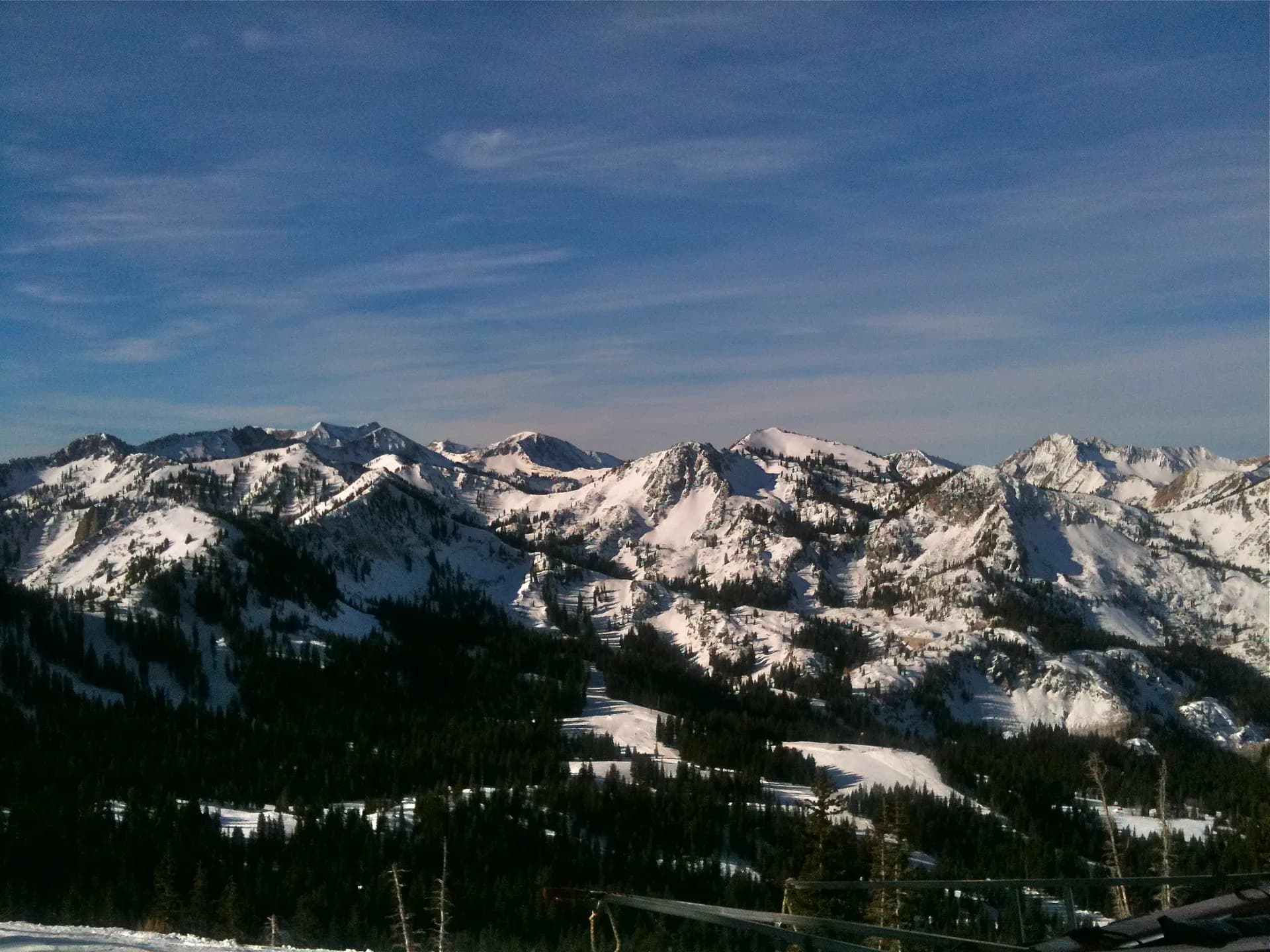
The two primary canyon corridors, Big Cottonwood and Little Cottonwood, cut deep into the Wasatch Range and provide the main access routes. Both canyons hold ski areas among the best in the country (Brighton and Solitude in Big Cottonwood; Alta and Snowbird in Little Cottonwood), and the same terrain that draws skiers in winter draws hikers in summer.

Trails

The Mount Olympus Trail is the most iconic hike from the Salt Lake Valley, climbing 8.4 miles round-trip to the distinctive double-peaked summit visible from nearly every point in the city below. The upper section involves significant scrambling on steep granite, and the route requires careful footing on the final approach. The views from the top encompass the Salt Lake Valley, the Great Salt Lake, and the Oquirrh and Stansbury ranges to the west.

Red Pine Lake Trail is the signature lake hike in Little Cottonwood Canyon, reaching a high alpine lake beneath the Lone Peak Wilderness in 6.8 miles with significant elevation gain. Grandeur Peak at 6.6 miles provides one of the best ridge walks above the east bench of Salt Lake City.

The Donut Falls Trail at 2.2 miles round-trip is one of the most accessible hikes in the forest, leading to a unique waterfall that flows through a hole in a granite boulder in Big Cottonwood Canyon. The nearby Cecret Lake Trail in Albion Basin reaches a glacially carved lake in 1.4 miles, making it one of the most popular family hikes in Little Cottonwood Canyon.

Wildlife

Mule deer are common throughout the Wasatch canyons and are regularly seen at canyon campgrounds. Rocky Mountain goats inhabit the high rocky terrain of the Twin Peaks Wilderness and are occasionally visible from the trail. Moose are present in the riparian areas of both major canyons and are occasionally reported in campgrounds; give them wide berth. Black bears are present but less commonly encountered than in more remote forests. The canyon streams support small populations of cutthroat trout. Raptors including red-tailed hawks and Cooper's hawks are common. Follow current USFS and Utah Division of Wildlife guidance for wildlife encounters.

Getting There

From Salt Lake City, Big Cottonwood Canyon is reached via I-215 to 6200 South, then east to Wasatch Boulevard and south to the canyon entrance, approximately 15 miles and 30 minutes from downtown. Little Cottonwood Canyon is reached via I-215 to SR-209 east to Wasatch Boulevard south to the canyon entrance, approximately 20 miles. From Provo, take I-15 north to the Draper or Sandy exits and connect to either canyon via Wasatch Boulevard. The canyon roads are clearly signed and heavily trafficked on summer weekends.

Seasons

Summer (June through October): The hiking season. High-country trails are accessible from late June. Trailhead parking fills early on summer weekends; a Saturday or Sunday arrival before 7 AM is often needed to secure a parking spot at popular locations. A summer shuttle pilot program has operated in Little Cottonwood Canyon; check current UTA options before driving.

Fall (October through November): Excellent hiking with dramatically reduced crowds after Labor Day. Aspen color in the upper canyons peaks in late September and early October.

Winter: All four ski areas operate from roughly Thanksgiving through April. Big and Little Cottonwood Canyons are among the snowiest in North America, with the Wasatch Range averaging over 500 inches of annual snowfall at higher elevations.

Spring: Snowmelt and wildflowers at lower elevations from April. Higher trails hold snow well into June. Waterfall flow in the canyons peaks in May.

Nearby

Salt Lake City (population around 200,000) is the primary urban base, with full hotel, dining, and transportation infrastructure including an international airport. The city is about 30 minutes from the canyon trailheads. Cottonwood Heights and Sandy are the canyon gateway suburbs, with groceries, gear shops, and lodging options. For permit guidance, see our national forest camping permit guide. Review Leave No Trace principles before any backcountry trip in these heavily visited canyons.

Planning and Resources

America the Beautiful passes cover parking fees at fee-site trailheads throughout the combined Uinta-Wasatch-Cache unit. Veterans and permanently disabled individuals may qualify for federal discount passes. The Salt Lake Ranger District office is located in Salt Lake City and can provide current conditions, trail status, and camping information. The Little Cottonwood Canyon summer shuttle program (when operating) provides a good alternative to driving and competing for parking on summer weekends; check the Utah Transit Authority for current schedules and stops. For general backcountry trip planning, the 10 Essentials and dispersed camping guide provide applicable guidance for forest outings in this heavily used landscape. Wildfire risk in summer and fall is real; review current fire restrictions before any camp trip in the forest.
Trail Guides

strenuousout-and-back

Bells Canyon Trail

9 mi3,200 ft gain
April through November

Guide to the Bells Canyon Trail in Wasatch National Forest, Utah. A 9.0-mile out-and-back from the Wasatch foothills through a dramatic canyon to an alpine reservoir.

3 min read

moderate-hardout-and-back

Big Willow Trail

7.4 mi2,200 ft gain
May through October

Guide to the Big Willow Trail in Wasatch National Forest, Utah. A 7.4-mile out-and-back through Mill Creek Canyon to a quiet alpine basin above the Wasatch foothills.

3 min read

easyout-and-back

Cecret Lake Trail

1.8 mi360 ft gain
July through September

Guide to the Cecret Lake Trail in Wasatch National Forest, Utah. A 1.8-mile out-and-back to an alpine lake at 9,876 feet in the Albion Basin above Alta Ski Area.

3 min read

easyout-and-back

Donut Falls Trail

3 mi450 ft gain
May through October

Guide to the Donut Falls Trail in Wasatch National Forest, Utah. A 3.0-mile out-and-back to a unique waterfall with a hole through which the creek flows in Big Cottonwood Canyon.

3 min read

moderate-hardout-and-back

Grandeur Peak Trail

6.2 mi2,600 ft gain
March through November

Guide to the Grandeur Peak Trail in Wasatch National Forest, Utah. A 6.2-mile out-and-back from Mill Creek Canyon to a prominent 8,299-foot summit above Salt Lake City.

3 min read

moderateout-and-back

Living Room Trail

3.4 mi1,100 ft gain
March through November

Guide to the Living Room Trail in Wasatch National Forest, Utah. A 3.4-mile out-and-back from the University of Utah area to a rock formation with panoramic Salt Lake Valley views.

3 min read

strenuousout-and-back

Mount Olympus Trail

8.2 mi4,000 ft gain
May through October

Guide to the Mount Olympus Trail in Wasatch National Forest, Utah. A 8.2-mile out-and-back with Class 3 scrambling to a dramatic 9,026-foot double-summited peak above Salt Lake City.

3 min read

moderateout-and-back

Red Pine Lake Trail

6.6 mi1,900 ft gain
June through October

Guide to the Red Pine Lake Trail in Wasatch National Forest, Utah. A 6.6-mile out-and-back to a stunning alpine lake beneath White Baldy in Little Cottonwood Canyon.

3 min read

Campgrounds

Albion Basin Campground

26 sitesReservable$24/night (as of 2026)

Redman Campground

42 sitesReservable$24/night (as of 2026)

Spruces Campground

97 sitesReservable$22/night (as of 2026)

Getting There

Salt Lake City
15 miles30 minutes
Provo
30 miles40 minutes
Ogden
35 miles45 minutes

More in the Rocky Mountains

Frequently Asked Questions

Is Wasatch National Forest the same as Uinta-Wasatch-Cache National Forest?
Wasatch National Forest is one of three proclaimed units forming the combined Uinta-Wasatch-Cache National Forest administrative unit. The Wasatch section covers the central Wasatch Range above Salt Lake City and Provo, the Cache section covers the Bear River Range near Logan, and the Uinta section covers the High Uintas Wilderness east of Salt Lake City. The three sections are administered from the supervisor's office in Salt Lake City.
Are the canyon roads in Big and Little Cottonwood open year-round?
Both Big and Little Cottonwood Canyon roads are open year-round but subject to closures for avalanche control and hazard mitigation in winter and spring. The Utah Department of Transportation manages the road closures, which can be brief or extended depending on conditions. Chain requirements are common in winter. The Utah Avalanche Center publishes current advisories. Check conditions before driving up either canyon in winter or spring.
Is a permit needed to hike in Mount Olympus Wilderness or Twin Peaks Wilderness?
No permit is required for day hiking or overnight camping in the Mount Olympus or Twin Peaks Wilderness areas as of 2026. However, these areas see very heavy use given their proximity to the Salt Lake Valley, and parking at popular trailheads fills early on summer weekends. The Little Cottonwood Canyon area has piloted a summer shuttle system on peak days; check current UTA transit options as an alternative to driving. Verify current requirements with the Salt Lake Ranger District.
What is the Lake Blanche hike like?
The Lake Blanche trail in Big Cottonwood Canyon is one of the most popular hikes in the Wasatch. The 6.8-mile round-trip gains approximately 2,800 feet to three alpine lakes beneath the Twin Peaks. The trail is steep and sustained, gaining most of its elevation in the first three miles. The payoff is a dramatic cirque with the imposing Sundial Peak reflected in the largest lake. The hike is rated moderate-hard and is popular with Salt Lake residents year-round, though it can hold snow into June.
Federal Discount Passes

Free and Discounted Entry for Qualified Visitors

Military Annual Pass

Active duty & veterans (any discharge except dishonorable)

Free · Annual

Senior Pass

U.S. citizens or permanent residents age 62+

$20 · Lifetime

Access Pass

Permanent disability (includes 50% off many camping fees)

Free · Lifetime
Get passes at any ranger station or store.usgs.gov/passLearn more →